Search
One DEI Training Wasn’t Enough to Create a Hostile Work Environment. Four Complaints Weren’t Enough Either.

The bar for a hostile work environment claim is “extremely high.” A White correctional officer just found out how high.

The bar for a hostile work environment claim is “extremely high.” A White correctional officer just found out how high.

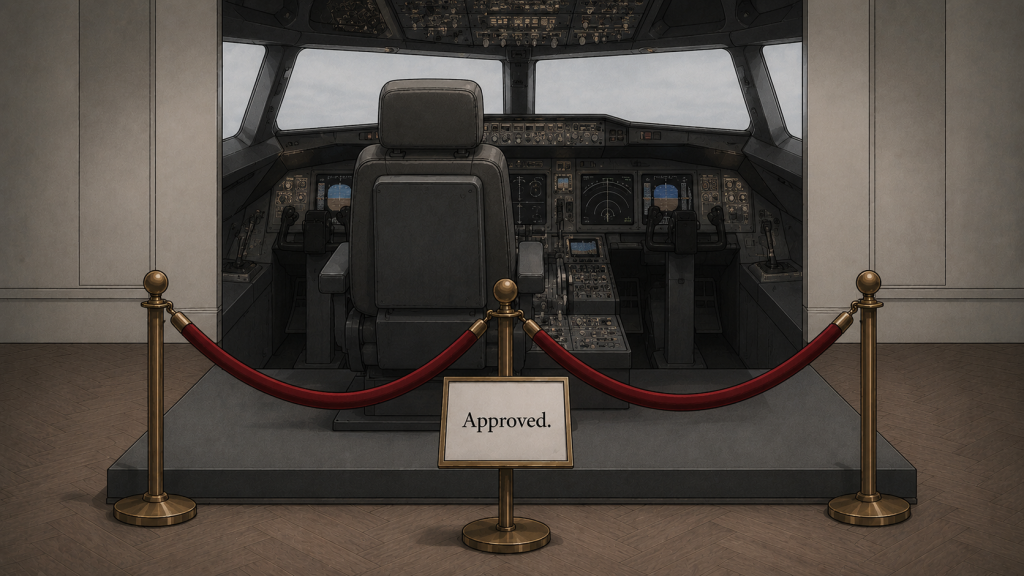
One pilot called in sick with the flu and went skiing. He also called in with a knee injury and flew military jets the same day. The other pilot claimed he was too sick to fly and then flew jets for the military instead. The Eleventh Circuit says the airline was right to push them both out.

A school district police officer posted a prayer on Facebook criticizing his supervisors. He was fired. His lawsuit raised constitutional claims, a retaliation claim, and a religious discrimination claim. The Fifth Circuit affirmed dismissal on all of them, and the reasons why are a useful lesson for any employer.

When does a religious exemption request stop being religious? A federal appeals court just answered that question in a way that eight of its own judges found alarming.

A warehouse worker started her job seven months pregnant. Thirteen weeks after delivering, she was fired. One sentence from the HR rep is why this case is going to trial.

An employee who says “I’m not disabled” can’t turn around and sue for failure to accommodate a disability. The Sixth Circuit just confirmed that’s true even when the employer is the one who raised the disability question in the first place.

According to the EEOC, a waste management company hadn’t hired a female garbage truck driver in years, and its interviews showed why: a manager told one qualified female applicant to think carefully, talk to her husband, and let him know if she still wanted the job. She did. The company hired a man. The case settled for $200,000.

A blind customer care advocate asked for screen reading software. According to the EEOC, his employer tested two products, decided the software wasn’t compatible, turned down a free offer from a state agency to help, and terminated him. That sequence cost $270,000.

According to the EEOC, the company’s own doctors cleared two employees as fit for duty. The employer allegedly refused to let them return anyway, unless they switched the medications treating their disabilities. That decision cost $300,000.

The employer granted a dispatcher’s telework accommodation, watched her work successfully from home for nearly three years, then yanked it without ever talking to her according to the EEOC. That sequence cost $280,000.