Search
 The Employer Handbook Blog
She Called Equity Training Racist. Her Own Words About a Black Employee Said Otherwise.



She said the training singled out white employees as inherently racist. Her own testimony said otherwise, and that’s what sank her case.

She said the training singled out white employees as inherently racist. Her own testimony said otherwise, and that’s what sank her case.
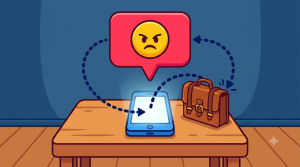
A hospital and university didn’t just demote an employee over his criticism of a race-based practice. They went on social media to trash him, and that’s the bigger legal problem.
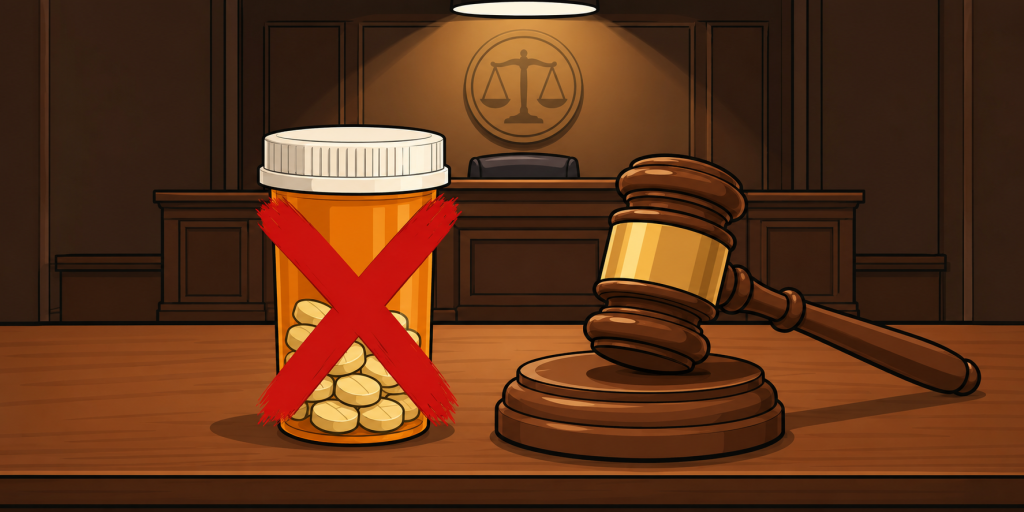
A supervisor joked about selling an employee in the red-light district. When the case reached a federal appeals court, the employer’s defense was almost as bold: don’t blame us for the emotional distress bill, she should have gotten therapy.
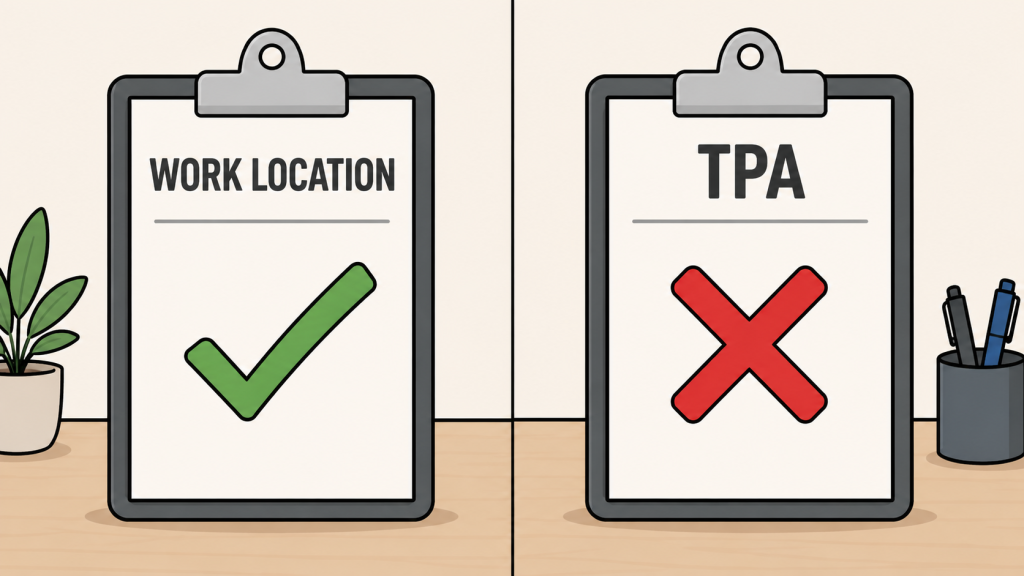
A bus operator was fired for FMLA falsification and claimed his employer terminated him because he was transgender. The employer’s defense was simple: it fired four other employees for the same conduct around the same time. A federal appeals court just said that’s enough.

An employer investigated a racial harassment complaint, offered a transfer, and watched the harassment continue. A federal appeals court just sent the hostile work environment claims to a jury.

The Supreme Court just ruled on whether transgender athletes can play girls’ high school sports. If you’re scanning this for a new Title VII rule for your LGBT employment policies, save yourself the trouble: there isn’t one.
 The Supreme Court just eliminated 91 years of job security for commissioners and board members at federal agencies like the EEOC and the NLRB. The practical consequences for employers are bigger than the headlines may suggest. Continue reading
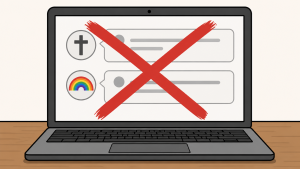 You’ve probably seen the headlines. Two flight attendants fired for posting about the Equality Act, a Ninth Circuit reversal, and the usual takes about religion vs. LGBTQ rights in the workplace. Here’s what those takes mostly missed.
 She filed an EEOC charge. She just didn’t file the right one.