Search
 The Employer Handbook Blog
You Investigated the Harassment. Did the Response Work?


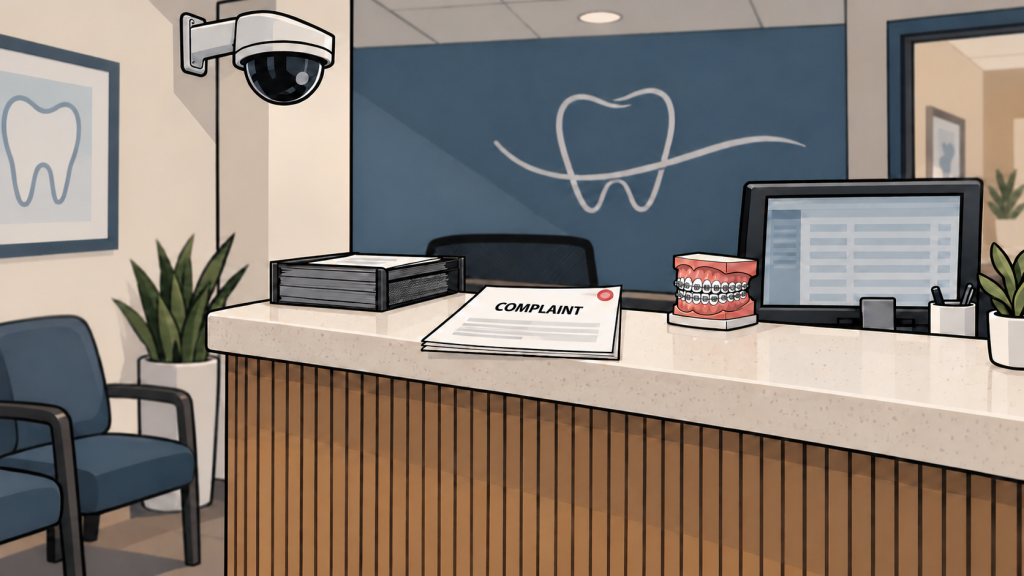
A meeting, a report, and a camera gave this employer plenty to describe. The employee’s testimony about what happened afterward gave a jury something to decide. Continue reading

A meeting, a report, and a camera gave this employer plenty to describe. The employee’s testimony about what happened afterward gave a jury something to decide. Continue reading

A termination letter can become a vocabulary quiz once litigation starts. Every changed adjective gets its own exhibit.
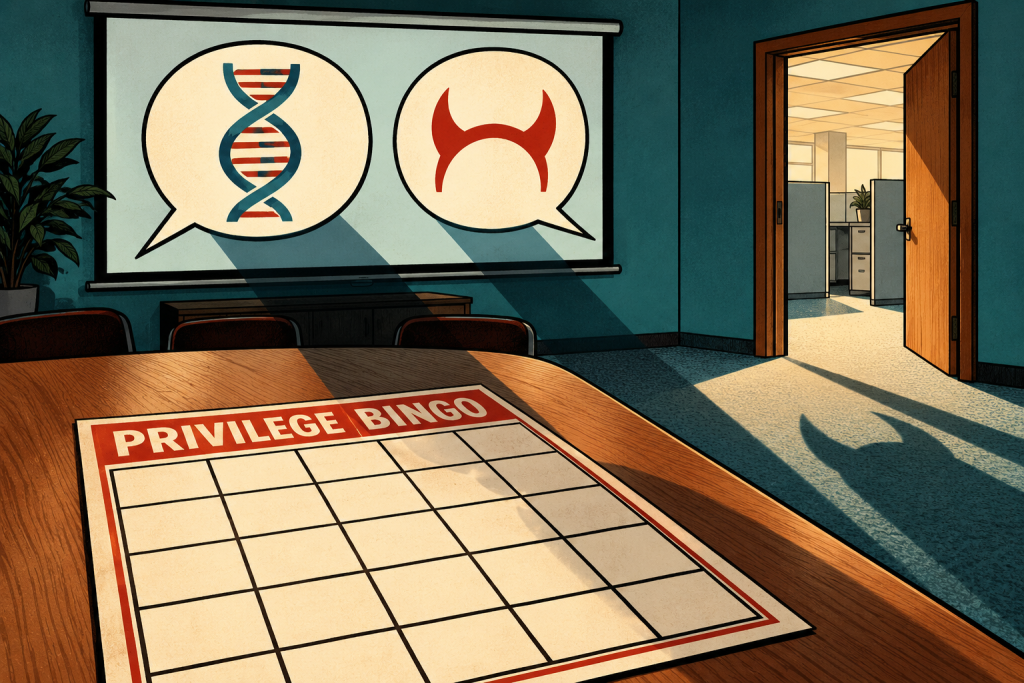
A federal judge dismissed this white employee’s hostile workplace claim last year. On appeal, the Ninth Circuit considered the alleged training remarks alongside years of workplace incidents and gave the claim new life. Continue reading
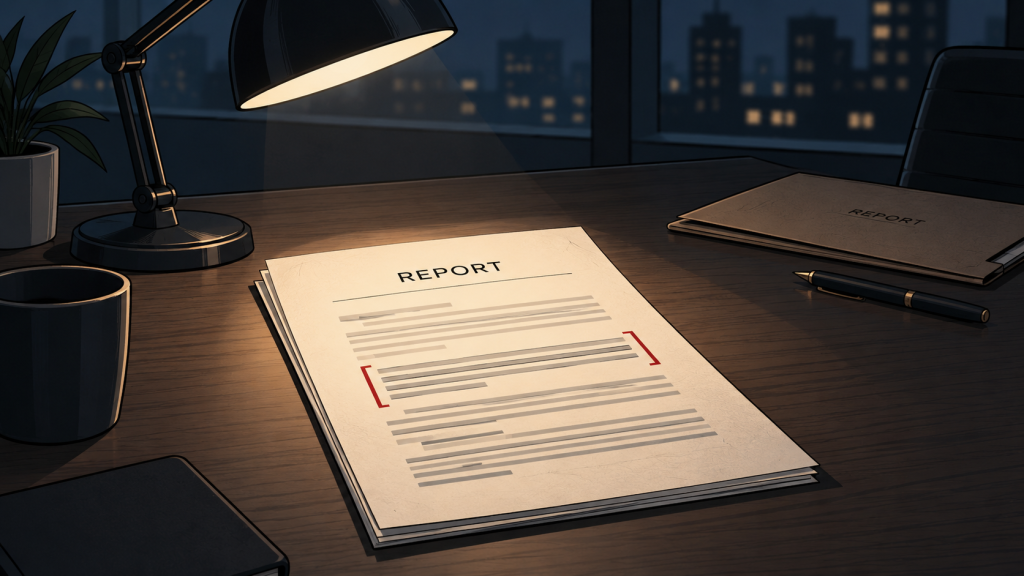
The employer hired an outside investigator to examine workplace concerns. A former HR employee later relied on what the investigator allegedly documented to support her own bias claims.

Management enforced its drug-testing rule. The exceptions it made afterward created the bigger problem.

The company had an anti-harassment policy, trained its employee-relations manager to investigate complaints, and opened one. Then it assigned the accused supervisor to counsel the employee who complained about him.
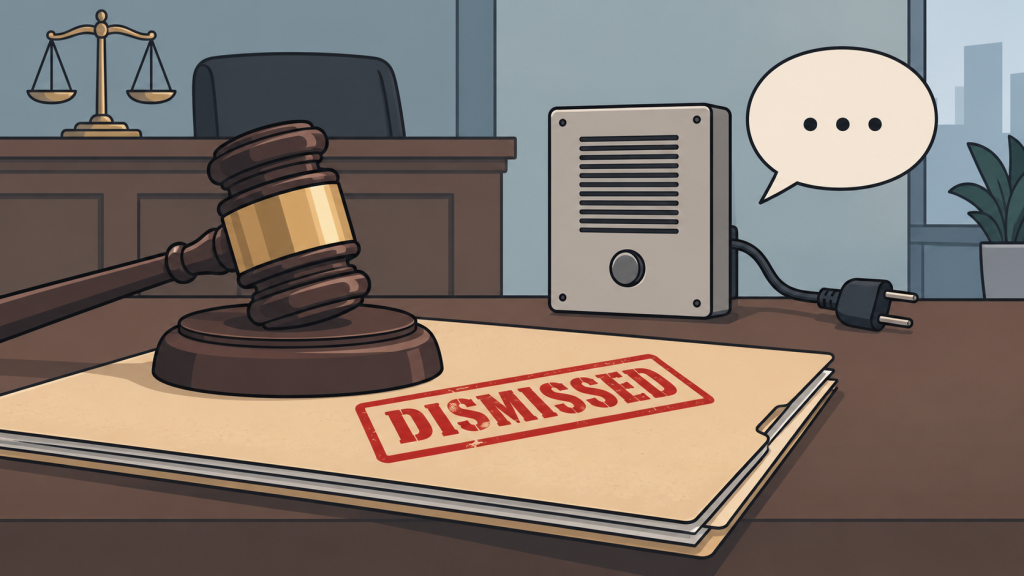
A 25-minute meeting in Spanish allegedly became a two-sentence summary in English. That may be a workplace communication problem, but this court did not see race or national-origin discrimination.
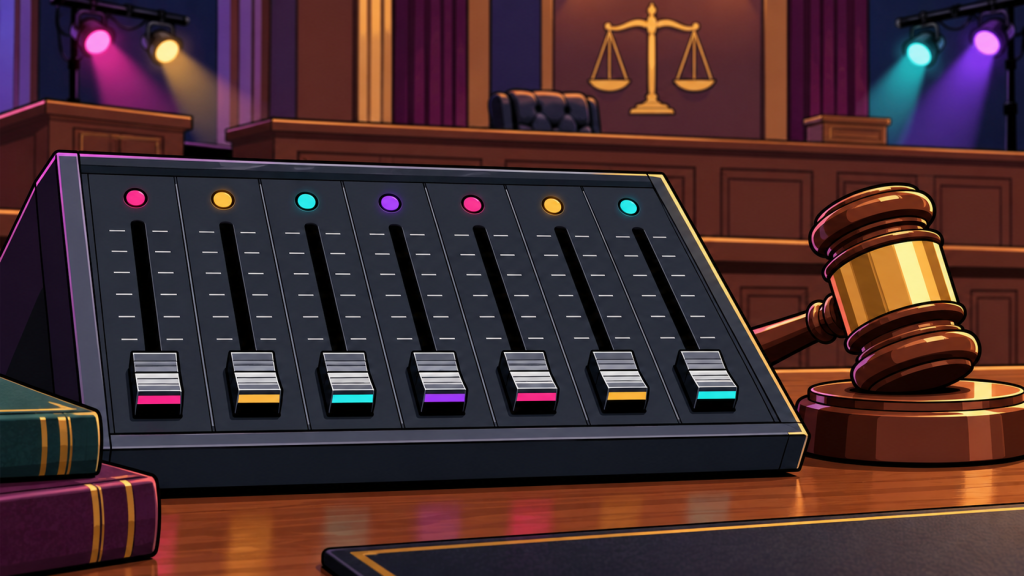
Lizzo’s touring company swept every remaining claim from a former wardrobe assistant’s lawsuit off the stage. The celebrity headline masks an evidence lesson.
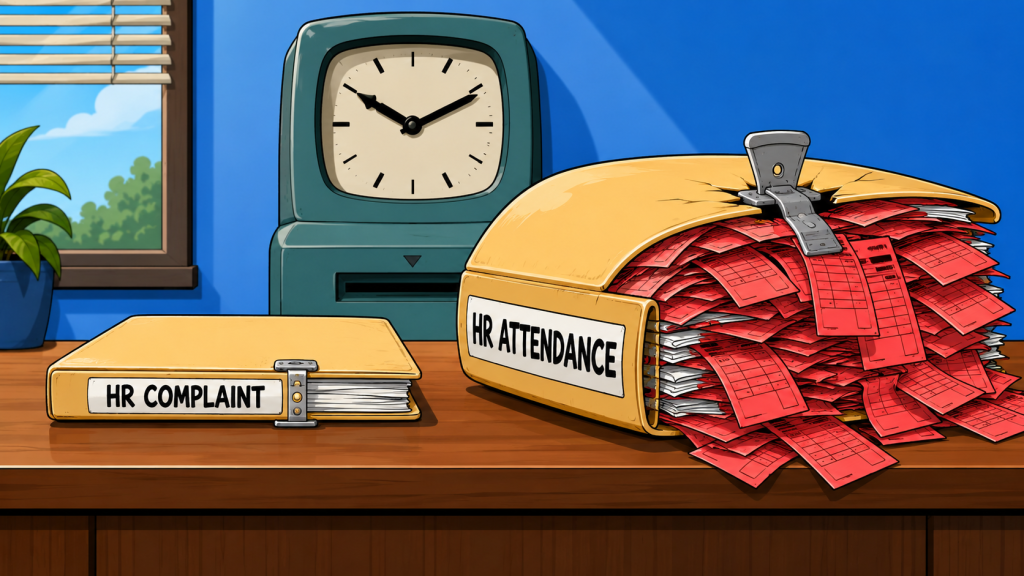
Her job was tracking employee attendance. Unfortunately, someone was tracking hers, too.
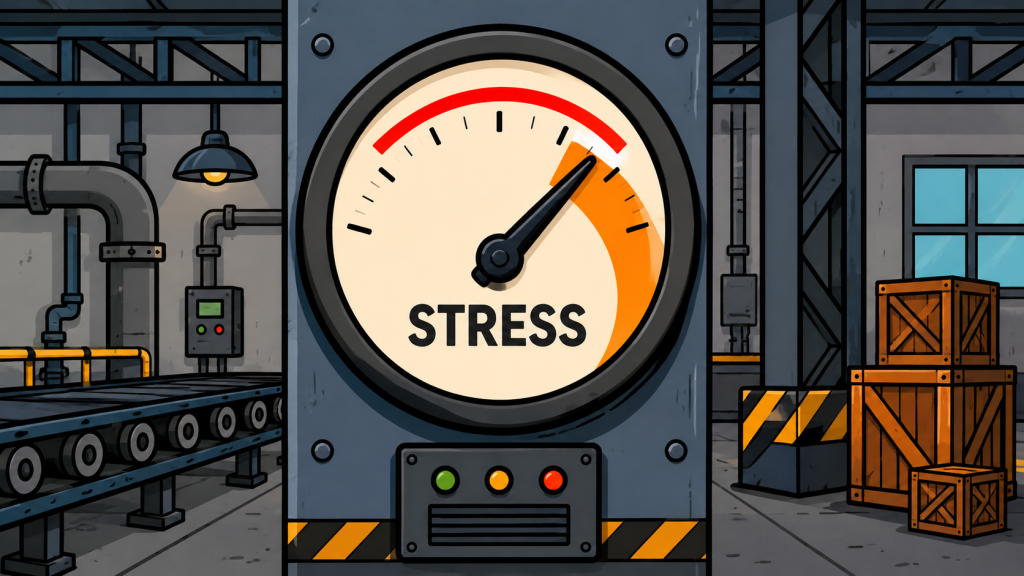
The employer offered him $400,000 to stay. He still claimed that workplace stress, microaggressions, and an abrasive executive amounted to race discrimination.