Search
 The Employer Handbook Blog
Sole Survivor: What an ADA Shoe Fight Teaches Employers About Accommodation


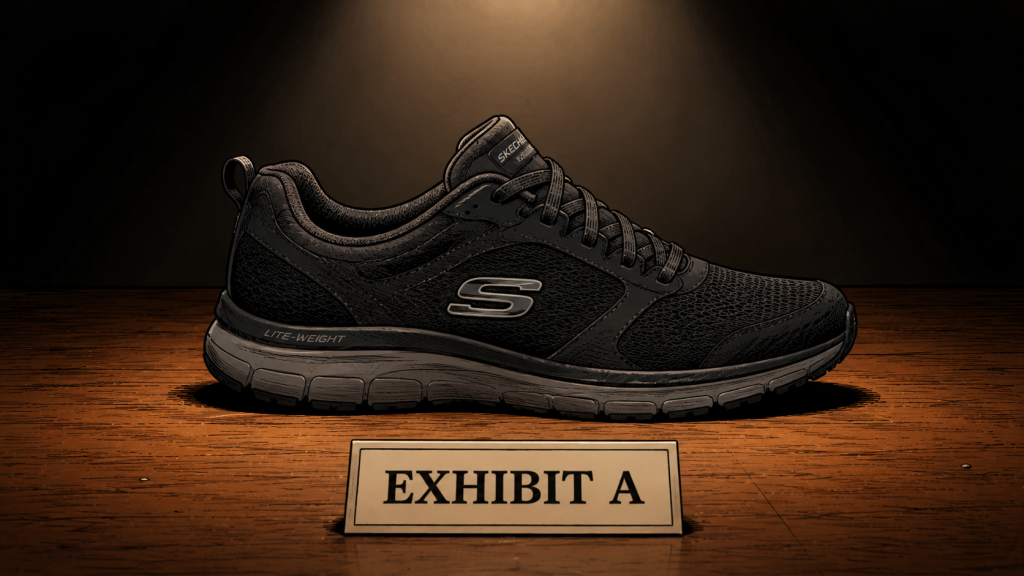
A cocktail server with a foot disability wore Skechers sneakers for two years under an accommodation her employer granted. When new management decided sneakers didn’t meet appearance standards, the employer narrowed the accommodation and eventually terminated her for refusing to comply. Most of the lawsuit went with her.
TL;DR: A cocktail server with Achilles tendonitis and equinus sued her casino employer under the ADA and the Maryland Fair Employment Practices Act after it narrowed her footwear accommodation and terminated her. The court granted summary judgment to the employer on the failure-to-accommodate, retaliation, and most disability discrimination claims, finding the employer was permitted to modify the accommodation and that the employee caused the breakdown of the interactive process.
Two Years of Sneakers, Then New Management Arrived
The employee worked as a cocktail server at a casino where servers were required to wear heels. After she developed equinus and Achilles tendonitis, the employer granted a 2019 accommodation to wear “flats/good support shoes instead of heels.” The employee wore black Skechers sneakers under that accommodation for two years, with apparent approval from her then-supervisor.
New management arrived in 2021 and told her the sneakers didn’t comply with appearance standards. The employer issued a written reminder, held three meetings over several months, and offered to help her select compliant shoes. The employee agreed to a March 11, 2022 deadline, missed it without explanation, continued wearing the prohibited sneakers, and never told the employer she had a doctor’s appointment scheduled. She was terminated in May 2022 for repeated appearance standard violations.
Granting an Accommodation Does Not Mean You’re Stuck With It Forever
The court held that the initial accommodation did not lock the employer in permanently. The ADA requires a reasonable accommodation, not the employee’s preferred one. The employer was entitled to require a flat dress shoe rather than a sneaker, as long as the revised accommodation remained effective. Because the employee offered no medical evidence that flat dress shoes were inadequate, the failure-to-accommodate claim failed.
The court also applied this logic to the interactive process. When the employer narrowed the accommodation in December 2021, it triggered a renewed obligation to engage with the employee and find a workable solution. The employer met that obligation: three meetings, extended deadlines, an offer to accompany her shoe shopping, and an offer to let her doctor approve any new footwear. The employee, on the other hand, agreed to a deadline, missed it without communication, and kept wearing the prohibited shoes. The court found she caused the breakdown, not the employer.
The employer’s paper trail made the difference. Meeting notes documenting the offers, the deadlines, and the employee’s silence gave the court a clear basis for assigning responsibility. Employers who engage in good faith and document it shift the burden when the process falls apart.
Two Lessons Worth Internalizing
An accommodation granted is not an accommodation frozen in time. New management, updated appearance standards, and legitimate business needs can all justify revisiting an existing accommodation. The obligation is to ensure the revised version remains effective, not to preserve whatever a prior supervisor informally approved. If you modify an accommodation, document the business reason and confirm the alternative works medically.
The interactive process runs both ways, and your documentation is what shifts responsibility when it breaks down. The employer survived here because it had meeting notes, extended deadlines, and a concrete offer to help find compliant shoes. When an employee goes silent, misses agreed deadlines, and offers no explanation, the court’s job is to identify who caused the breakdown. A documented record of good-faith engagement is what makes that answer clear.
This employer won because it did the work. Three meetings, documented offers, extended deadlines, and a paper trail that held up in court. Most accommodation disputes don’t end this cleanly, usually because the process was never this deliberate to begin with.