Search
 The Employer Handbook Blog
Greetings From Mexico. About That Sick-Leave Policy…


A Mexico vacation while on sick leave is an easy headline. The employer’s defense required a closer look at two separate decisions.

A Mexico vacation while on sick leave is an easy headline. The employer’s defense required a closer look at two separate decisions.
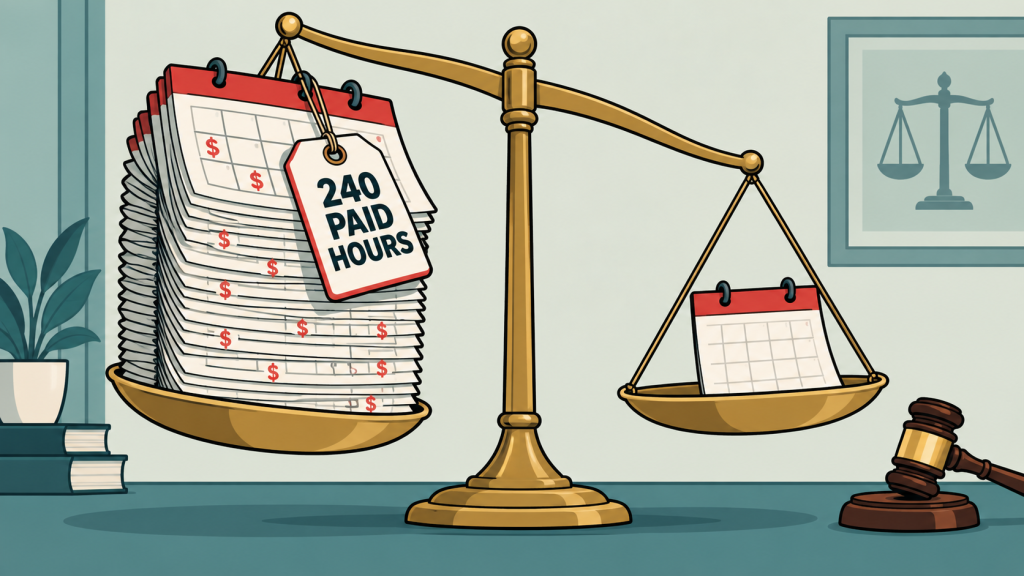
An accommodation does not become unreasonable merely because the employee would rather save it for vacations and family emergencies.
TL;DR: A federal employee experiencing depression and cardiac arrhythmia requested unpaid leave, a lateral transfer, or other help. Her employer offered flexible use of approximately 240 hours of accrued paid leave and, when no comparable position was available, a lower-level job. The Eleventh Circuit affirmed summary judgment for the employer because the employee received reasonable options, even if they were not the ones she preferred.

Lizzo’s touring company swept every remaining claim from a former wardrobe assistant’s lawsuit off the stage. The celebrity headline masks an evidence lesson.
A no-remote rule sounds straightforward. It became much less so when a professor with an autoimmune condition requested an accommodation.
He claimed that when he told his employer he had cancer, his boss reacted by saying, “Are you f*****g kidding me? Your obligations are here.” As it turned out, the diagnosis was wrong. That did not spare his employer from facing an ADA trial.
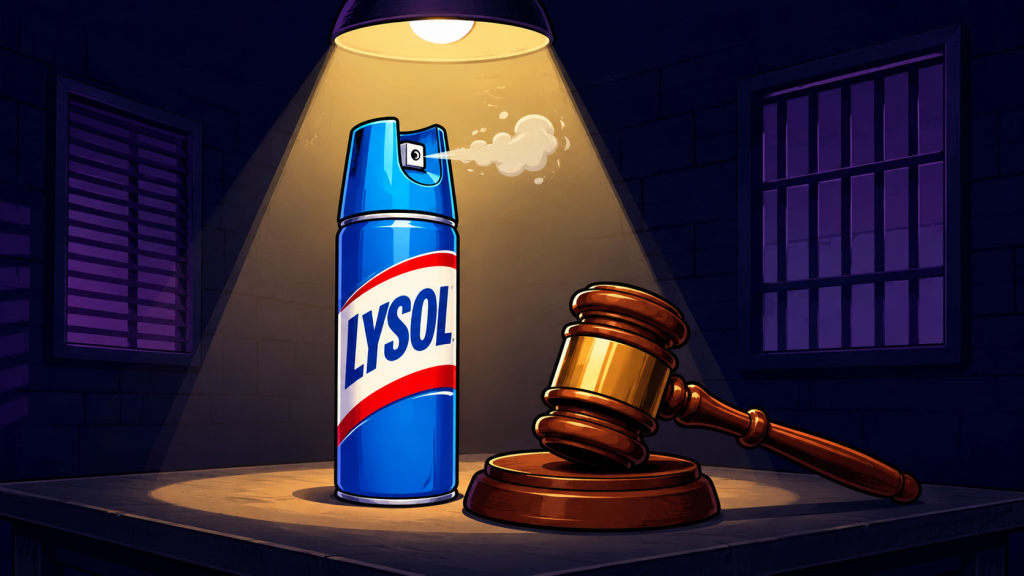
Keeping disinfectant in the office during the pandemic was understandable. Following coworkers around and spraying it on their clothes and sometimes in their mouths was not. Continue reading

The employee asked his manager about less physically demanding jobs. The manager offered to contact the risk department, then could not remember whether he ever did.

His doctors cleared him to return to work. The railroad kept him away from moving trains for five years.

The employee asked for help completing his work. Months later, the unfinished work became the reason for firing him. Continue reading

A judge joked about his female employee’s sexuality and kept a mug decorated with cartoon genitalia in his own courtroom. The same judge required her to burn a full day of sick leave every time she needed an hour off for a medical appointment. A federal appeals court still ruled none of it was enough to reach a jury.