Search
 The Employer Handbook Blog
The Moment FMLA Protection Kicks In Might Be Earlier Than You Think


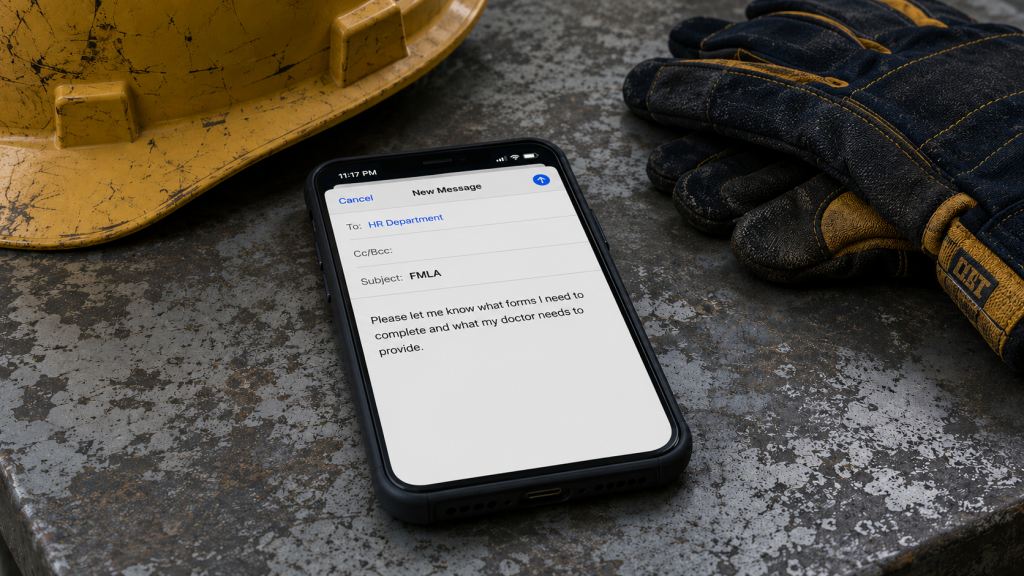
It didn’t take a formal leave request. It didn’t take a doctor’s note. One email asking for FMLA forms was enough to trigger retaliation protection.

It didn’t take a formal leave request. It didn’t take a doctor’s note. One email asking for FMLA forms was enough to trigger retaliation protection.
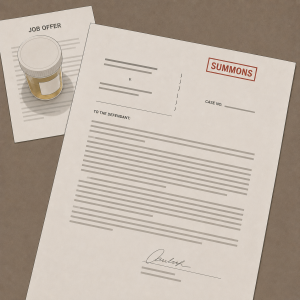 A federal appeals court ruled in 2024 that New Jersey job applicants had no legal recourse when employers rejected them over a positive recreational cannabis test. The New Jersey Appellate Division just disagreed.
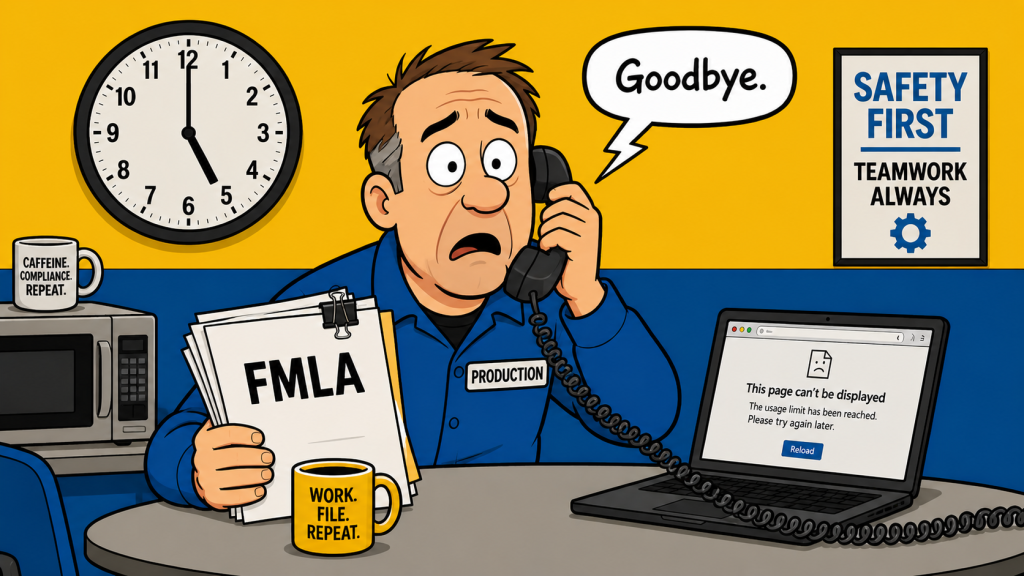
A 19-year employee couldn’t reach his FMLA administrator. The phone system hung up on callers at 5 p.m. An HR rep told him not to worry. Then he was fired for dishonest FMLA reporting.
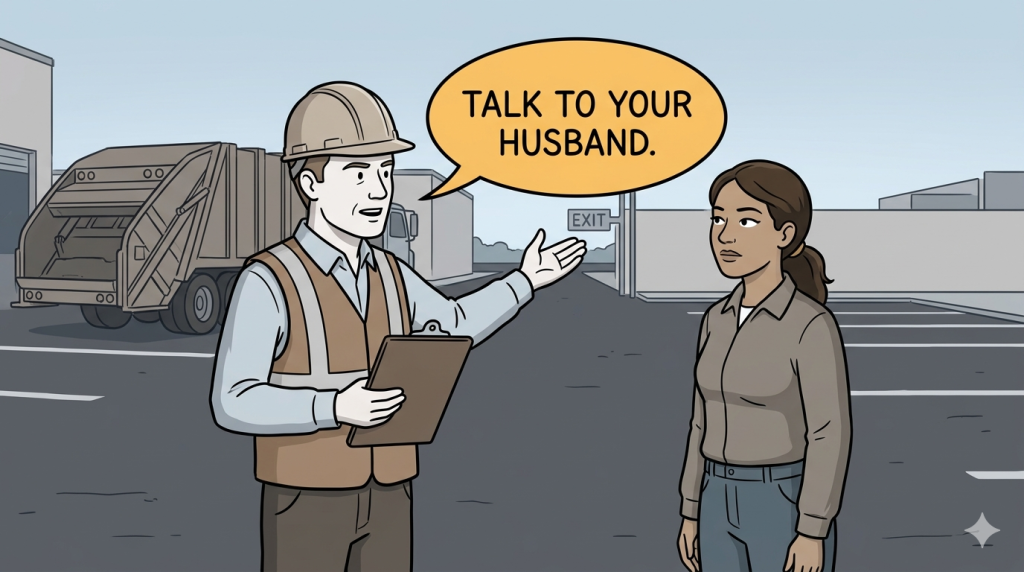
According to the EEOC, a waste management company hadn’t hired a female garbage truck driver in years, and its interviews showed why: a manager told one qualified female applicant to think carefully, talk to her husband, and let him know if she still wanted the job. She did. The company hired a man. The case settled for $200,000.
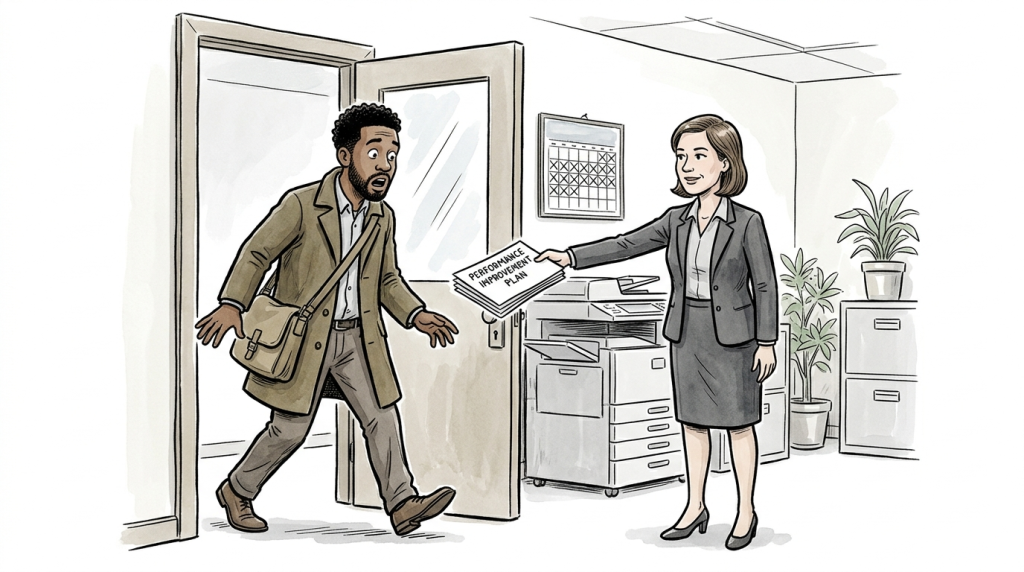
An employee returned from his third round of FMLA leave and found a performance improvement plan waiting for him. That looks terrible. But a jury will never hear about it.

An employee complained to HR about discrimination. About two and a half months later, the employer skipped progressive discipline, gave no warning, and fired her the same day over emails. Most people would expect that case to go to a jury. It didn’t. Continue reading
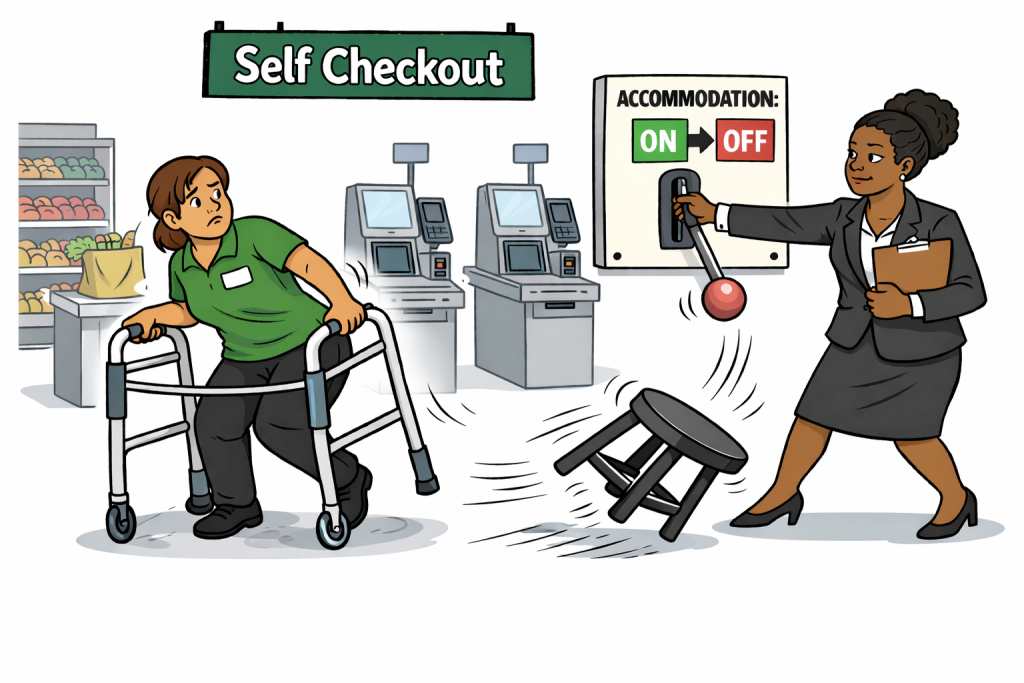
A new manager walks in, looks at a long-standing accommodation, and decides it’s over. The employee had been doing the job successfully for years. That’s where the risk starts.
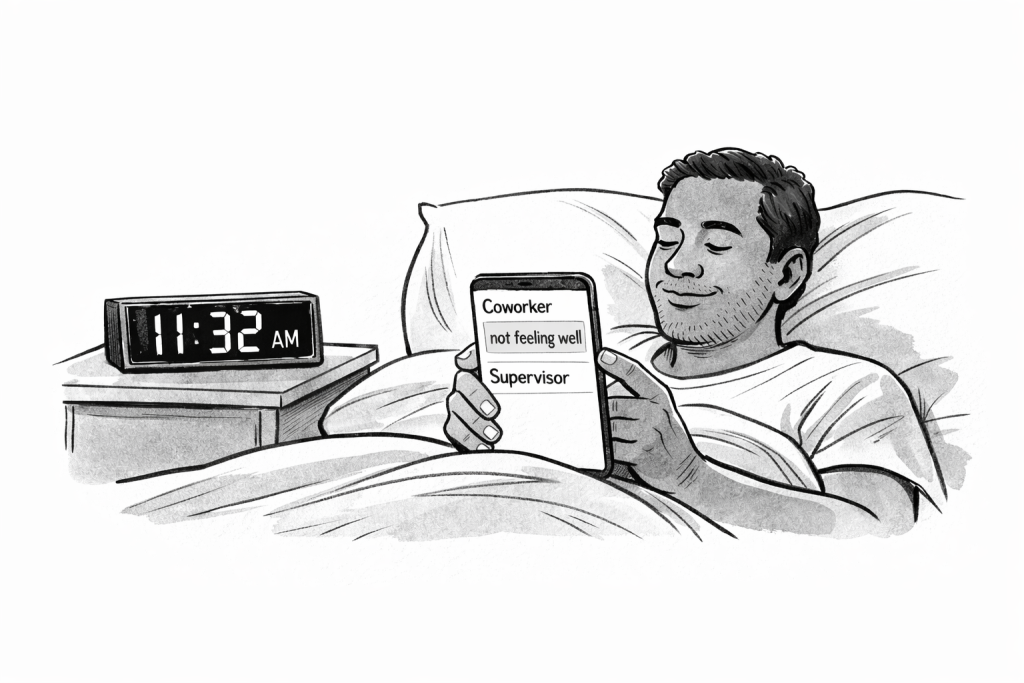
Most paid sick leave laws protect employees who follow the rules. A D.C. federal court just illustrated what happens when one doesn’t, and why a written call-out policy is the difference between a defensible termination and extended litigation.
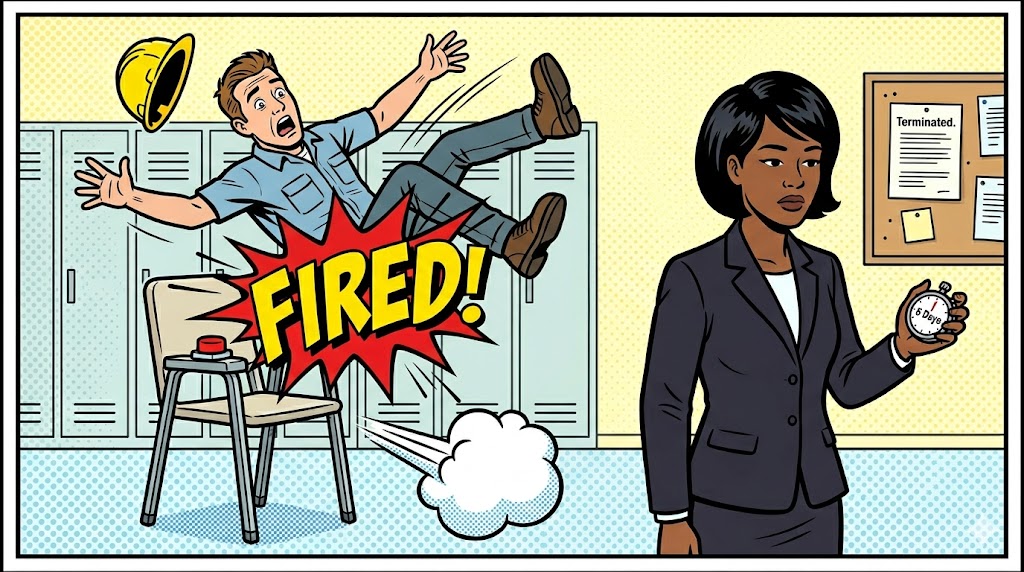
One racial slur. One termination. Zero liability. The Third Circuit’s newest hostile work environment decision is a masterclass in what prompt employer action actually looks like.

She signed a severance release, collected her benefits, and then sued anyway. The Sixth Circuit just explained why that didn’t work – and why the employer’s paperwork made all the difference.