Search
 The Employer Handbook Blog
A Changing Termination Explanation Didn’t Sink This Employer’s Defense.



A termination letter can become a vocabulary quiz once litigation starts. Every changed adjective gets its own exhibit.

A termination letter can become a vocabulary quiz once litigation starts. Every changed adjective gets its own exhibit.

An employer told the EEOC one story to get a discrimination charge dismissed as too late. It told the court a different story to win summary judgment. The judge noticed.
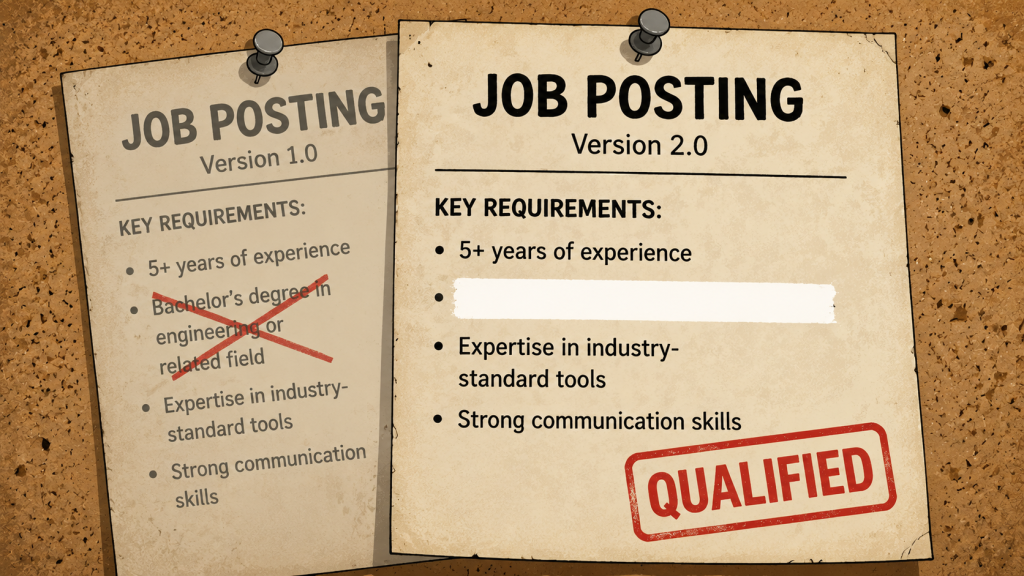
The city’s civil-service commission told it to follow its own hiring policies. It didn’t. It still won.
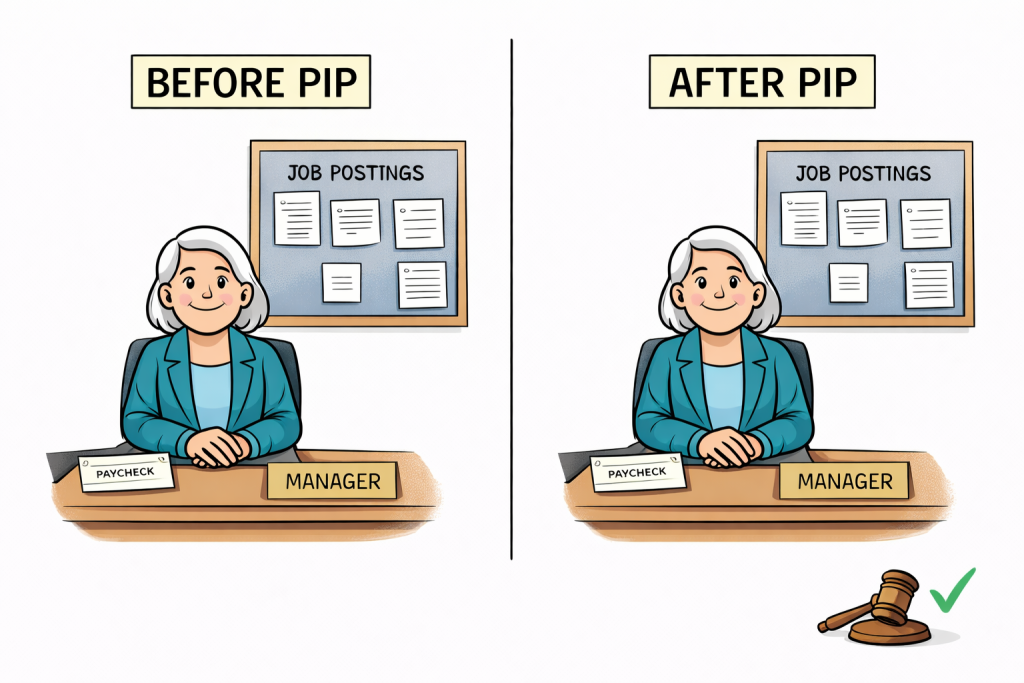
Put simply, a performance improvement plan is designed to improve performance, not expose employers to liability. Courts used to see it that way too. That changed when the Supreme Court redefined what counts as an adverse employment action — and suddenly PIPs were in play.
TL;DR: An IT employee placed on a three-month performance improvement plan that she successfully completed did not suffer an adverse employment action under the ADEA. The First Circuit, applying the Supreme Court’s 2024 decision in Muldrow v. City of St. Louis, held that a PIP constitutes an adverse action only if it actually changes the terms or conditions of employment — and this one didn’t. The court also rejected the employee’s constructive discharge claim, finding that quitting ten months after finishing the PIP, with no one telling her to leave and no evidence of intolerable conditions, did not amount to a forced resignation.

She signed a severance release, collected her benefits, and then sued anyway. The Sixth Circuit just explained why that didn’t work – and why the employer’s paperwork made all the difference.
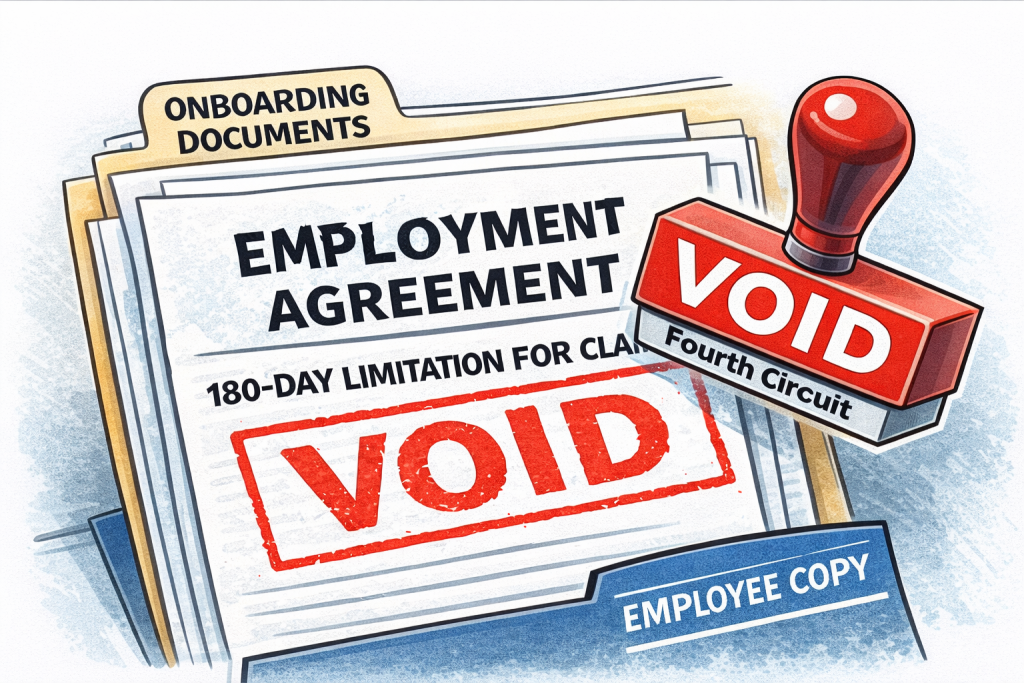
Some employers try. The Fourth Circuit just explained why that trick doesn’t work for these federal discrimination claims. Continue reading

The job requirements were… a lot: craft-beer exams, choreography, flair tricks, social media posts, and a “weight proportional to height” standard. Oh, and a mechanical bull. Eighteen longtime bartenders said the whole thing skewed younger. The court said their lawsuit had a more basic problem. Continue reading

Two arguments show up in almost every termination lawsuit: that the employer’s reason changed, and that it didn’t follow its own policy. The Eleventh Circuit recently explained why neither argument, without more, is enough to get a case to a jury. Continue reading

Sometimes promotions move quietly through the ranks.
No job posting, no formal applications, just a quiet internal decision.
A recent Ninth Circuit decision reminds employers that even those informal moves can create risk under the age-discrimination laws. Continue reading
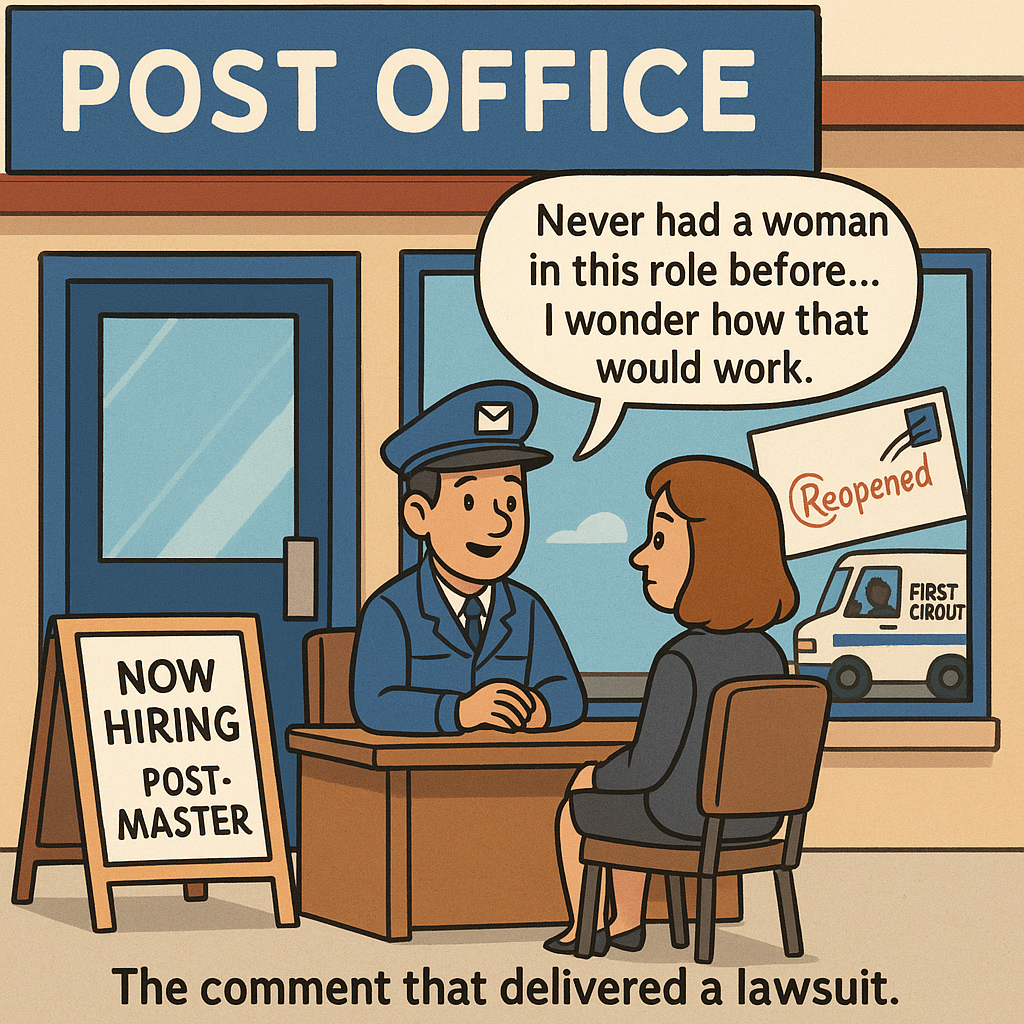
It’s the kind of line you say when you’re thinking out loud, not realizing that your thoughts are about to become Plaintiff’s Exhibit A. Continue reading