Search
ADA Risk: Undoing a Working Accommodation After Years of Success

A new manager walks in, looks at a long-standing accommodation, and decides it’s over. The employee had been doing the job successfully for years. That’s where the risk starts.

A new manager walks in, looks at a long-standing accommodation, and decides it’s over. The employee had been doing the job successfully for years. That’s where the risk starts.

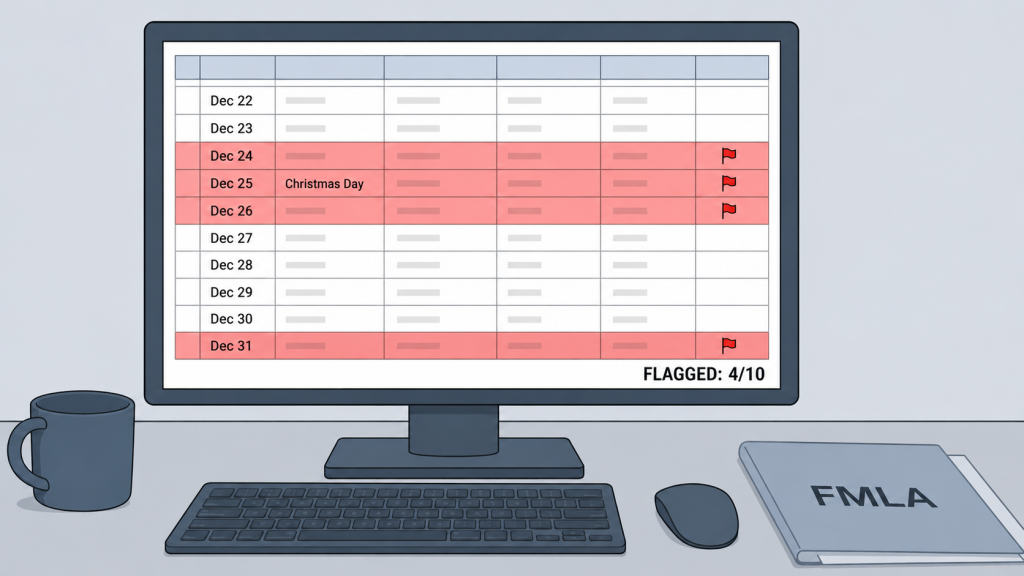
Most paid sick leave laws protect employees who follow the rules. A D.C. federal court just illustrated what happens when one doesn’t, and why a written call-out policy is the difference between a defensible termination and extended litigation.

One racial slur. One termination. Zero liability. The Third Circuit’s newest hostile work environment decision is a masterclass in what prompt employer action actually looks like.

She signed a severance release, collected her benefits, and then sued anyway. The Sixth Circuit just explained why that didn’t work – and why the employer’s paperwork made all the difference.

According to the EEOC, a company told its staffing agencies not to send women for laborer jobs because women would “distract” male workers. When the EEOC sued, the company turned around and sued the staffing agencies too. A federal court just explained why that doesn’t work.

Whatever the actual reason for firing an employee, the written explanation becomes evidence. A Mississippi restaurant is about to find out what that means. Continue reading

Restrictive covenants often rise or fall at the preliminary injunction stage. A Pennsylvania appellate decision shows how two common drafting mistakes can derail an employer’s attempt to enforce a nonsolicitation agreement. Continue reading

The job requirements were… a lot: craft-beer exams, choreography, flair tricks, social media posts, and a “weight proportional to height” standard. Oh, and a mechanical bull. Eighteen longtime bartenders said the whole thing skewed younger. The court said their lawsuit had a more basic problem. Continue reading

Many employers rely on hiring assessments to gauge fit. But what if those tools are viewed as unlawful lie detector tests? A recent Massachusetts ruling should give you pause before you rely on a “workstyle” assessment. Continue reading