Articles Posted in Third Circuit Employment Law 101


ChatGPT-Image-Sep-11-2025-09_55_06-PM-1024x683

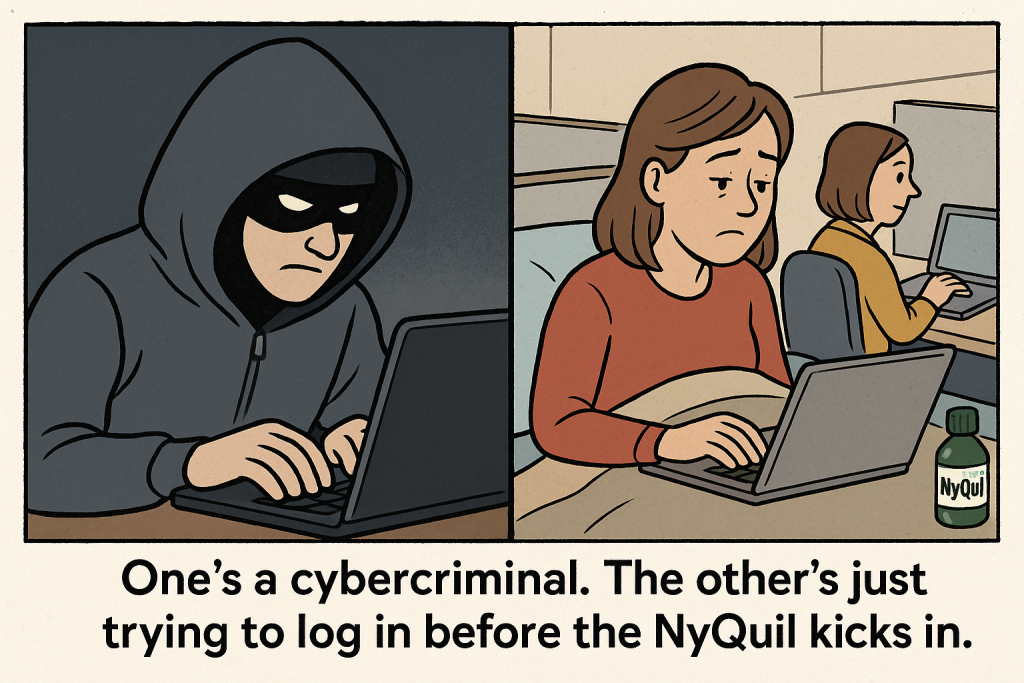
It started with a sick day, a spreadsheet literally called “My Passwords.xlsx,” and a colleague trying to help. It ended with a company accusing two former employees of federal computer crimes and trade secret theft.

The Third Circuit’s response? Nice try — but workplace policy violations aren’t hacking. Continue reading
ChatGPT-Image-Jul-14-2025-07_43_50-AM-1024x683

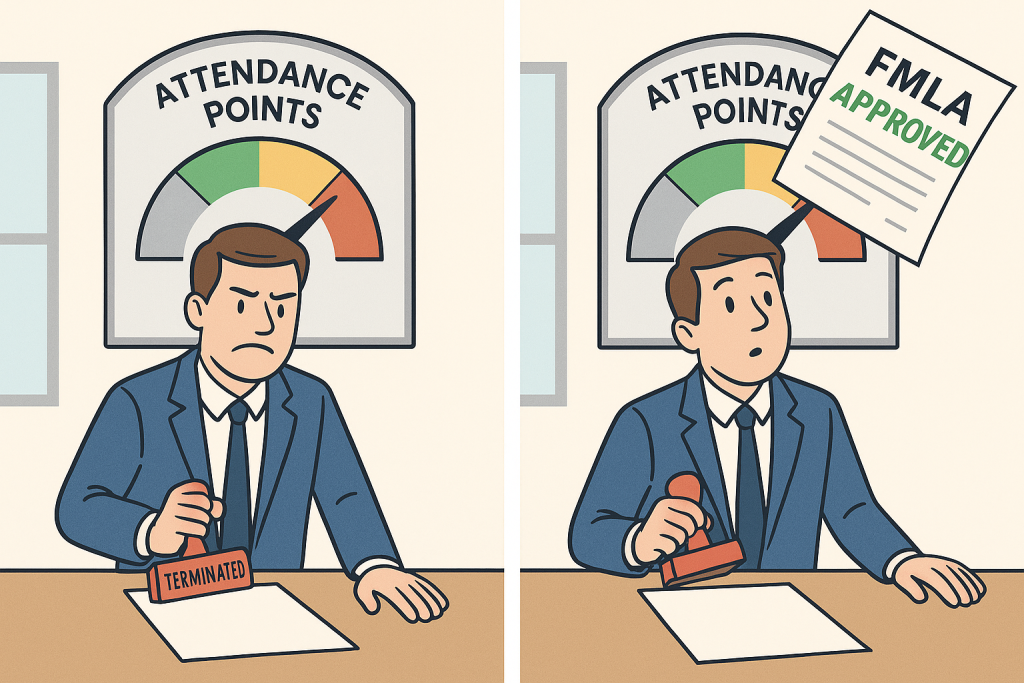
A transit agency thought it had a clear-cut reason to fire an employee under its no-fault attendance policy. But a disputed call-out, followed by a retroactive FMLA approval, now means a jury gets to decide whether the termination was lawful. Continue reading


ChatGPT-Image-Jun-4-2025-10_07_42-PM-683x1024

An onsite manager alleged race and sex discrimination, but the court never reached the substance of her claims. Why? Because she worked for a contractor—not the school network she sued. The case was dismissed.

Here’s what every employer who works with vendors, staffing firms, or third-party service providers needs to know. Continue reading

ChatGPT-Image-Jun-2-2025-10_13_19-PM-683x1024

Employers, take note: vague safety concerns and “we did our best” no longer cut it. A recent Third Circuit opinion revived a religious accommodation claim from a firefighter who wanted to keep his beard for faith-based reasons. Applying the Supreme Court’s Groff v. DeJoy standard, the court made it clear: you can’t just trim around the edges of Title VII. Continue reading

noun-man-fail-to-catch-a-bus-1926717-1024x1024

In a precedential decision issued on Friday, the Third Circuit Court of Appeals declined to reinstate a plaintiff’s trial court victory for FMLA interference, concluding that when he requested leave for migraine headaches, he did not yet have a serious health condition.

Continue reading

noun-limbo-4674234-1024x1024

Earlier this year, the Supreme Court ruled that an employee claiming discrimination under Title VII of the Civil Rights Act of 1964 need only show that their employer treated them worse than someone else because of a protected characteristic such as race, gender, or national origin.

Last week, a federal appellate court hinted at some examples of when a plaintiff suffered “some harm” to a term or condition of employment, which would be enough to have a facially plausible claim of discrimination.

Continue reading

“Doing What’s Right – Not Just What’s Legal”
Contact Information