Search
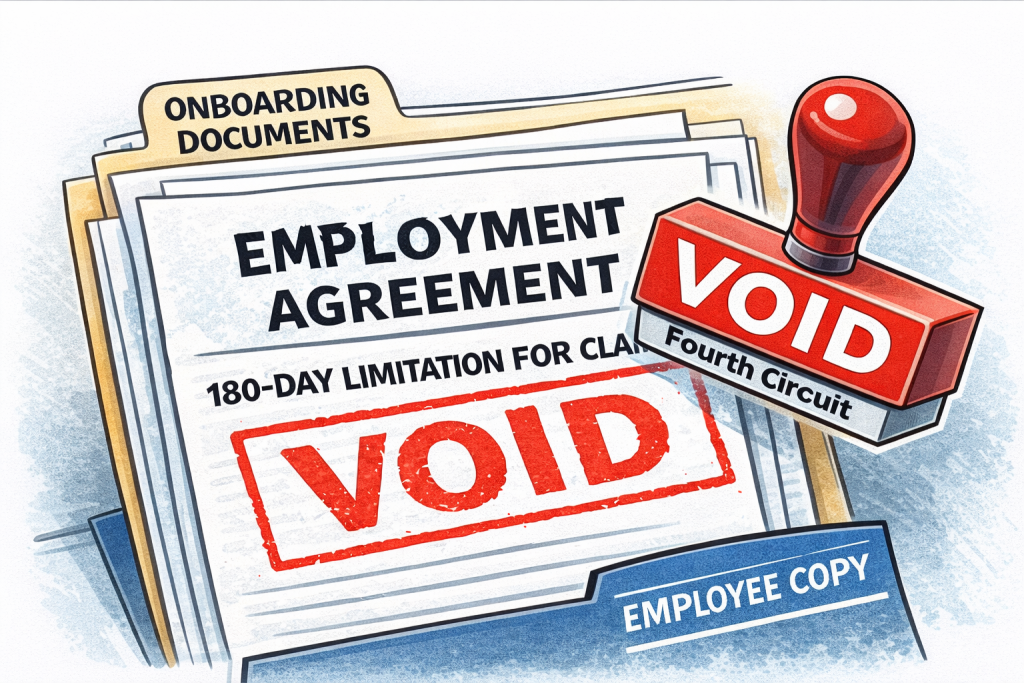
Can employers make employees sign a contract shortening the time to bring Title VII and ADEA claims?

Some employers try. The Fourth Circuit just explained why that trick doesn’t work for these federal discrimination claims. Continue reading

Some employers try. The Fourth Circuit just explained why that trick doesn’t work for these federal discrimination claims. Continue reading

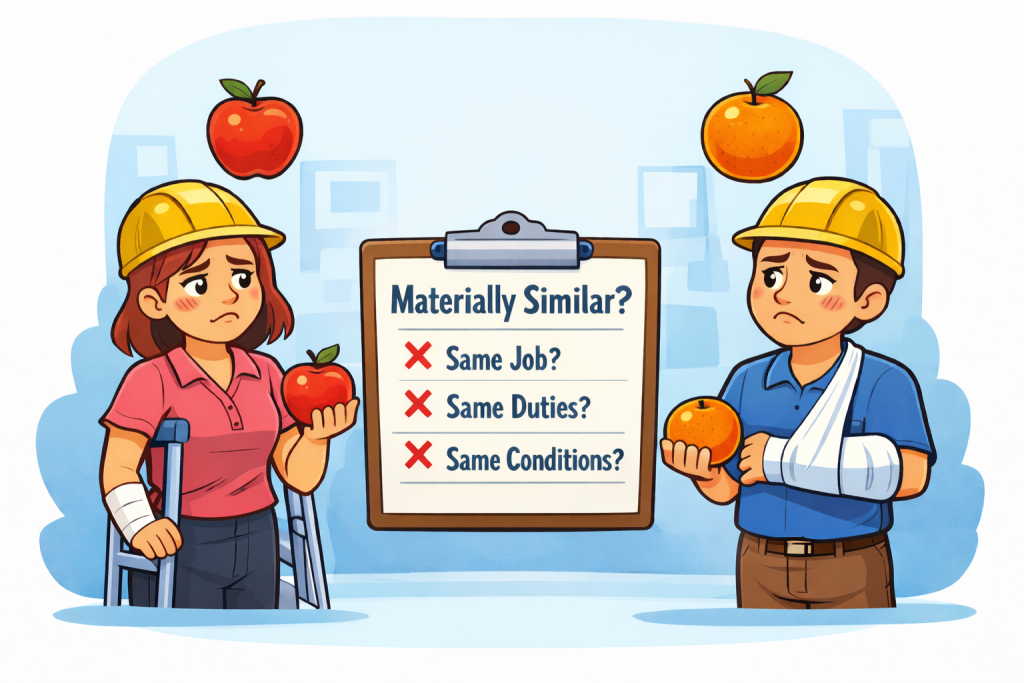
When employees say, “You helped him when he was injured but refused to help me,” it sounds like discrimination. It also sounds like a failure-to-accommodate dispute. A recent Ninth Circuit decision shows why that framing matters, and why getting it wrong can sink the case before it ever reaches a jury. Continue reading

Pay equity disputes are rarely about a single salary decision. They turn on whether an employer’s explanation for a pay gap holds together once the facts are examined.
A recent Seventh Circuit decision shows how reorganizations that blend promotions and transfers into the same role can expose cracks in that explanation. Continue reading

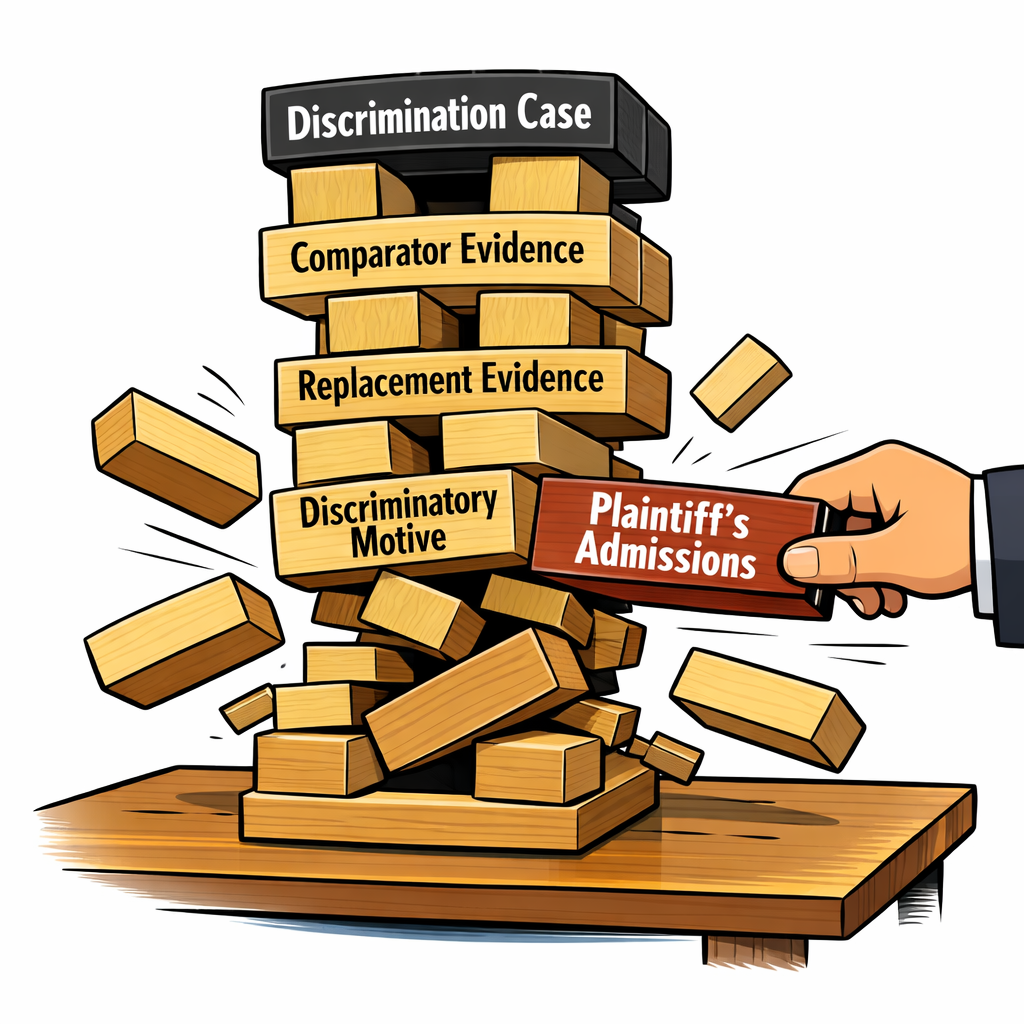
Most employment cases fall apart because the evidence is thin or the comparators don’t line up.
This one fell apart because of what the employee herself admitted – under oath. Continue reading

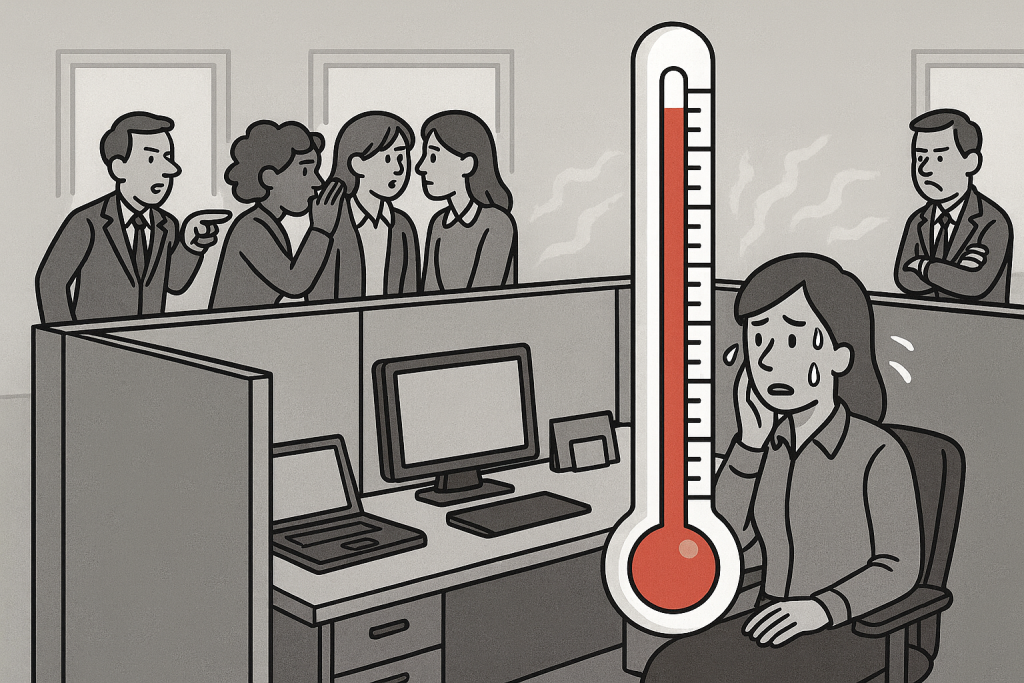
Constructive discharge is one of the most misunderstood concepts in employment law. Employees often assume that feeling sidelined, embarrassed, or treated unfairly is enough to turn a resignation into a legal claim. Courts, however, continue to apply a far stricter standard – one that looks past discomfort and focuses on whether working conditions were truly intolerable.
A recent federal court decision out of Arkansas reinforces that point. Continue reading

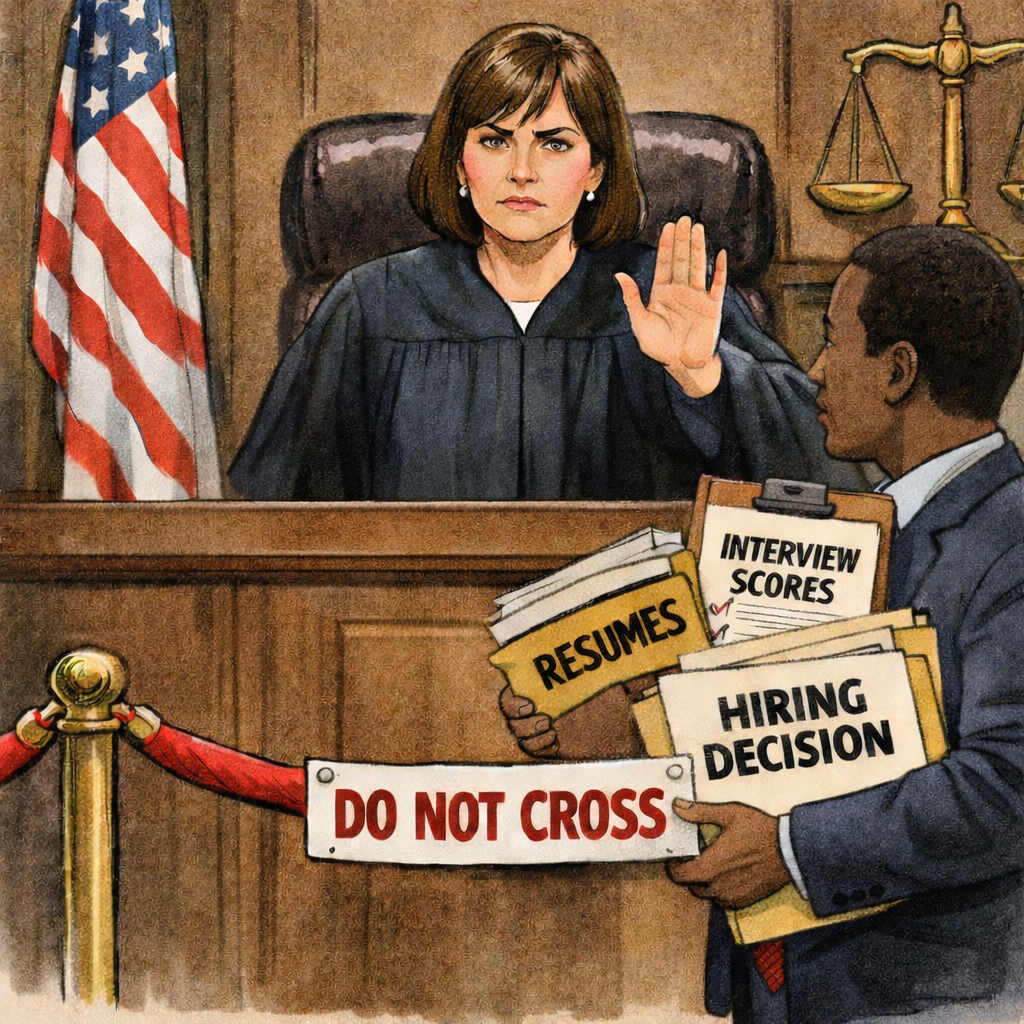
Courts see plenty of promotion disputes that boil down to one familiar complaint: I should have gotten the job.
The Fourth Circuit just explained why that argument usually is not enough. Continue reading

Several readers of this blog have floated the idea that Muldrow v. City of St. Louis — the Supreme Court’s recalibration of what counts as actionable harm in discrimination cases — might ripple into harassment standards. One federal appellate court recently explained why it doesn’t. Continue reading

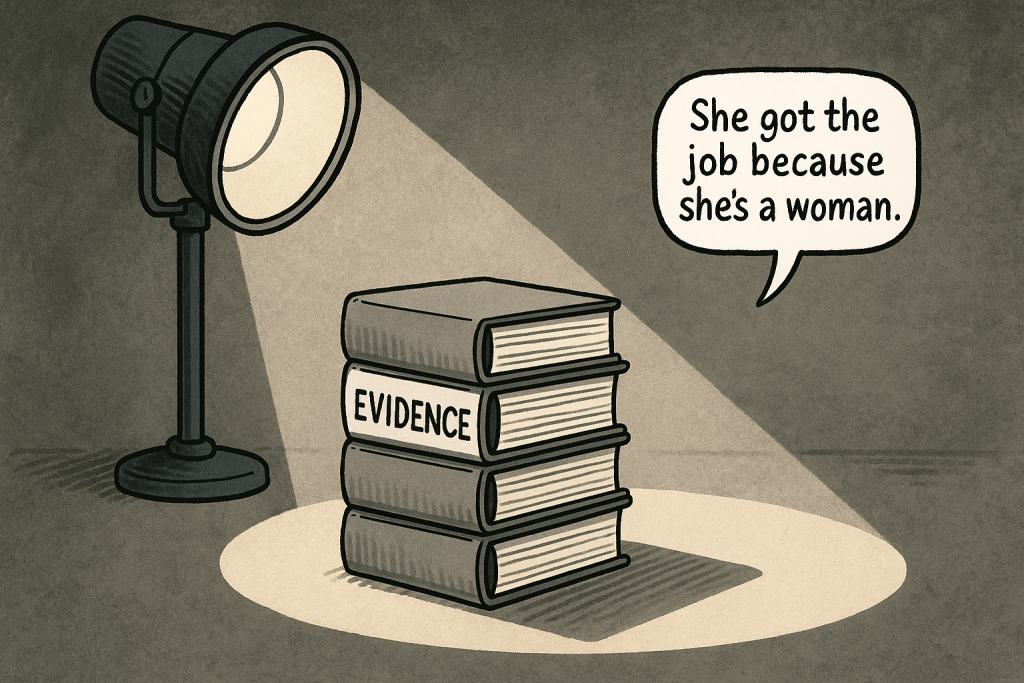
A longtime CFO thought his company’s succession plan was rigged against him in favor of a female candidate for CEO. He sued, claiming sex discrimination and retaliation. Thanks to recent Supreme Court guidance, men bringing reverse discrimination claims no longer face extra procedural hurdles. That makes these cases easier to start. But as this Sixth Circuit opinion shows, they are still hard to finish without evidence that sex was the real reason for the decision. Continue reading

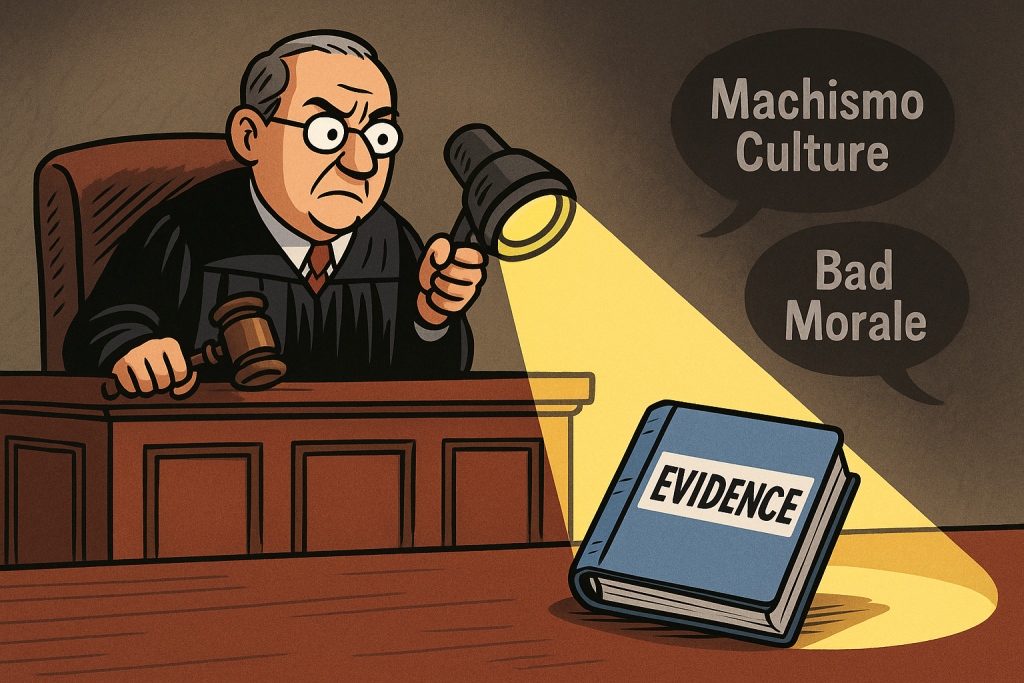
A toxic culture can make a workplace miserable. That doesn’t mean a court will find discrimination or retaliation when an employee sues. A new Seventh Circuit decision drives that point home. Continue reading

A performance review ended with a professor out of a job, and the employer defending itself in court. The problem? Remarks about maternity leave, inconsistent flexibility, and suspicious timing after a discrimination complaint. The appellate court said a jury should hear the case. Continue reading