Articles Posted in Overtime

ChatGPT-Image-Jan-5-2026-10_14_23-PM

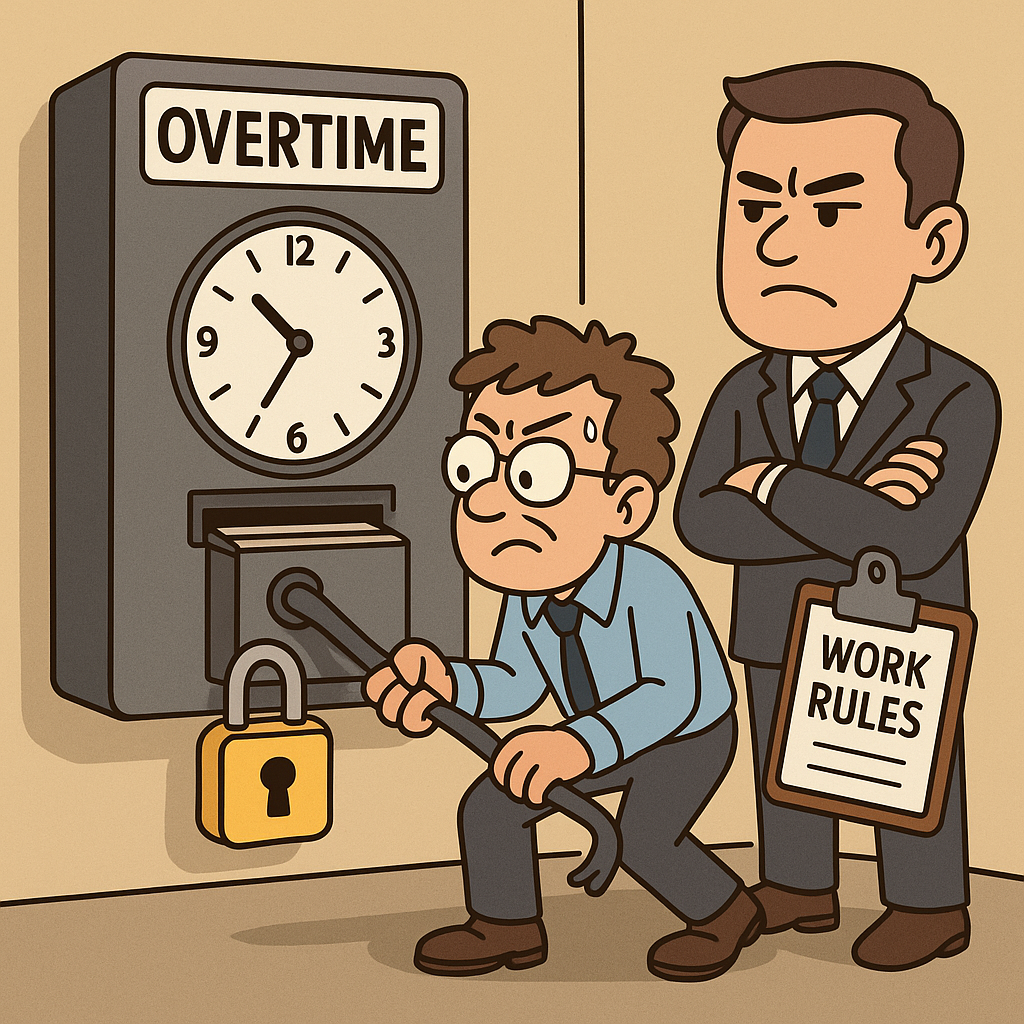
On January 5, 2026, the U.S. Department of Labor’s Wage and Hour Division issued six opinion letters addressing a range of FMLA and FLSA issues. This post – part three of a three-part series – covers the final two letters, both under the FLSA, and both aimed at assumptions employers sometimes make about flexibility.

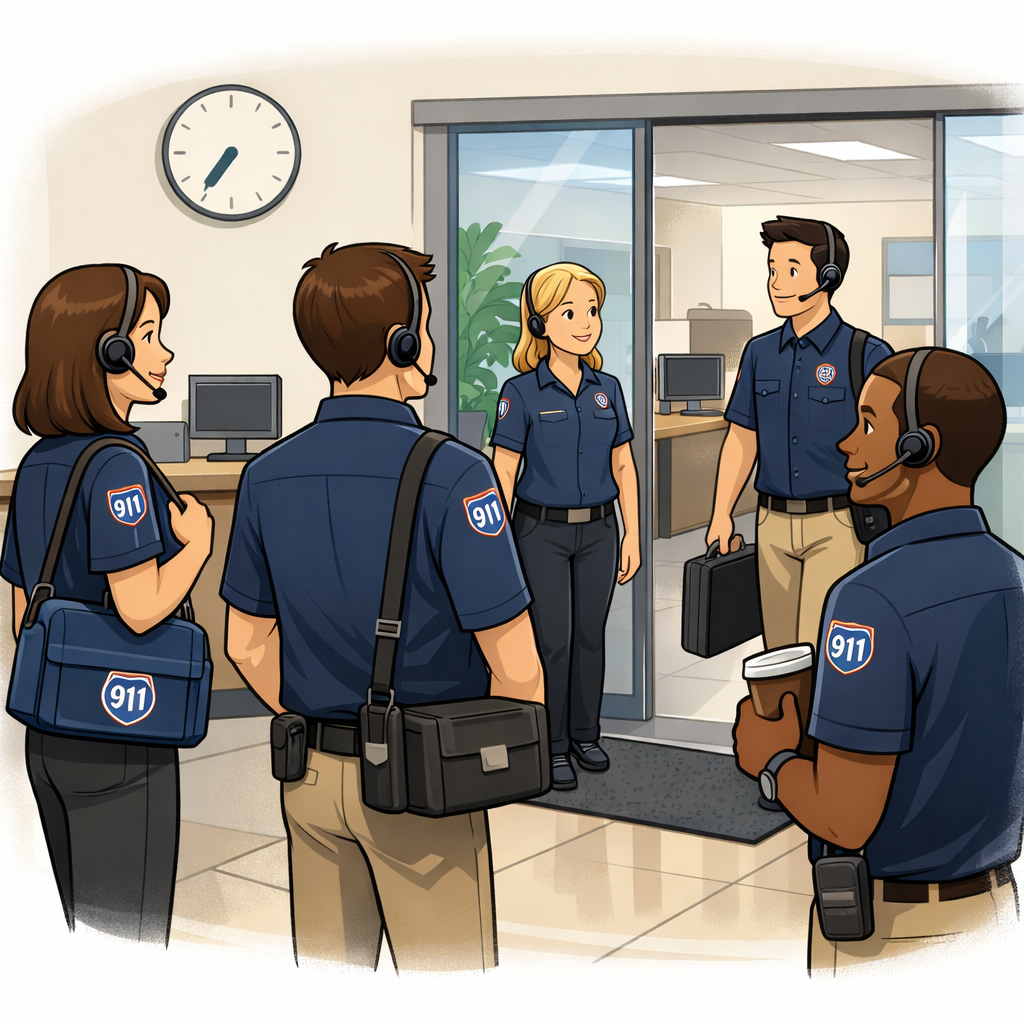
One letter addresses whether mandatory pre-shift “roll-call” time can be excluded from overtime calculations based on a collective bargaining agreement. The other addresses how to apply the commissioned-employee overtime exemption when state minimum wage exceeds the federal minimum wage – and what actually counts as commissions. Continue reading

 

ChatGPT-Image-Jan-5-2026-09_25_10-PM-1024x683

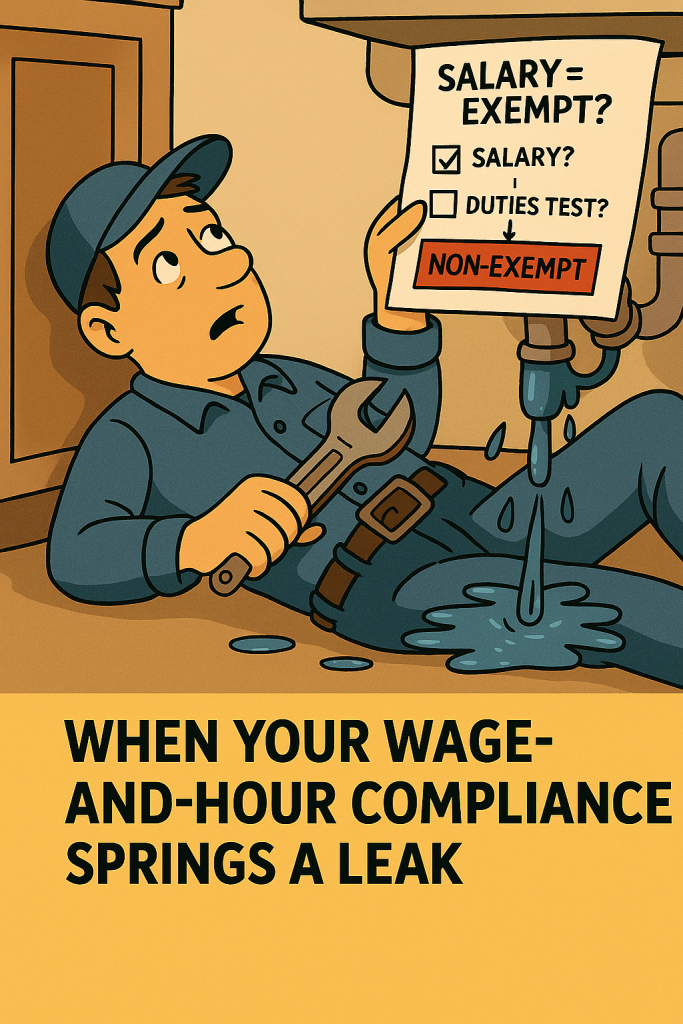
On January 5, 2026, the U.S. Department of Labor’s Wage and Hour Division issued six opinion letters addressing a range of FMLA and FLSA issues. This post – part two of a three-part series – focuses on two FLSA letters that address problems employers often assume they have already resolved.

One letter deals with exempt classifications that appear sound based on job duties but unravel because of how the employee is paid. The other addresses bonus programs that feel discretionary until overtime calculations say otherwise. Continue reading

ChatGPT-Image-Jun-28-2025-11_41_54-PM
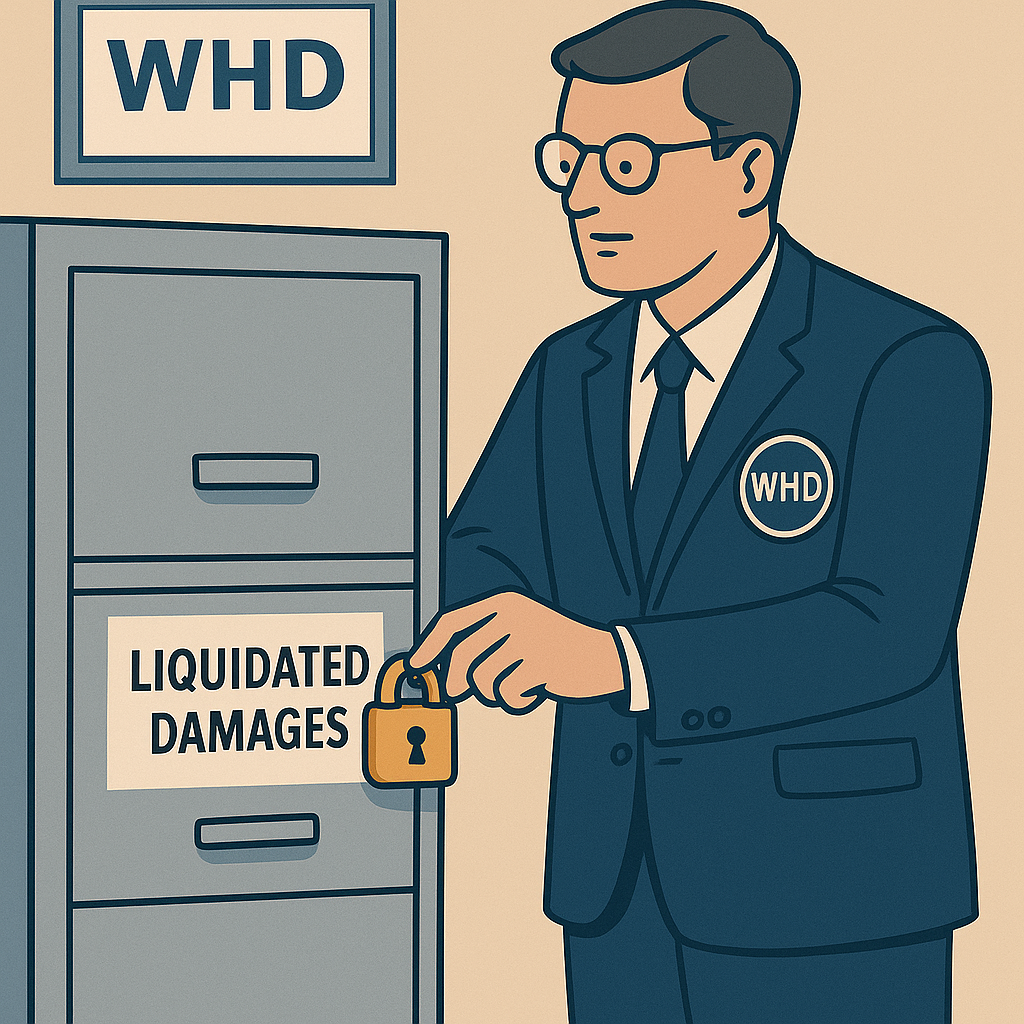
If the Department of Labor comes knocking about unpaid wages, here’s some welcome news: as of June 27, 2025, it can no longer demand liquidated damages—unless it sues you.


TL;DR: In Field Assistance Bulletin (FAB) 2025-3, the U.S. Department of Labor announced that its Wage and Hour Division (WHD) can no longer seek liquidated damages in administrative investigations under the Fair Labor Standards Act (FLSA). That means employers resolving matters with the DOL—without going to court—are now only liable for back wages.

📄 Read the full Field Assistance Bulletin (FAB) 2025-3 here

ChatGPT-Image-May-27-2025-09_24_59-PM-683x1024
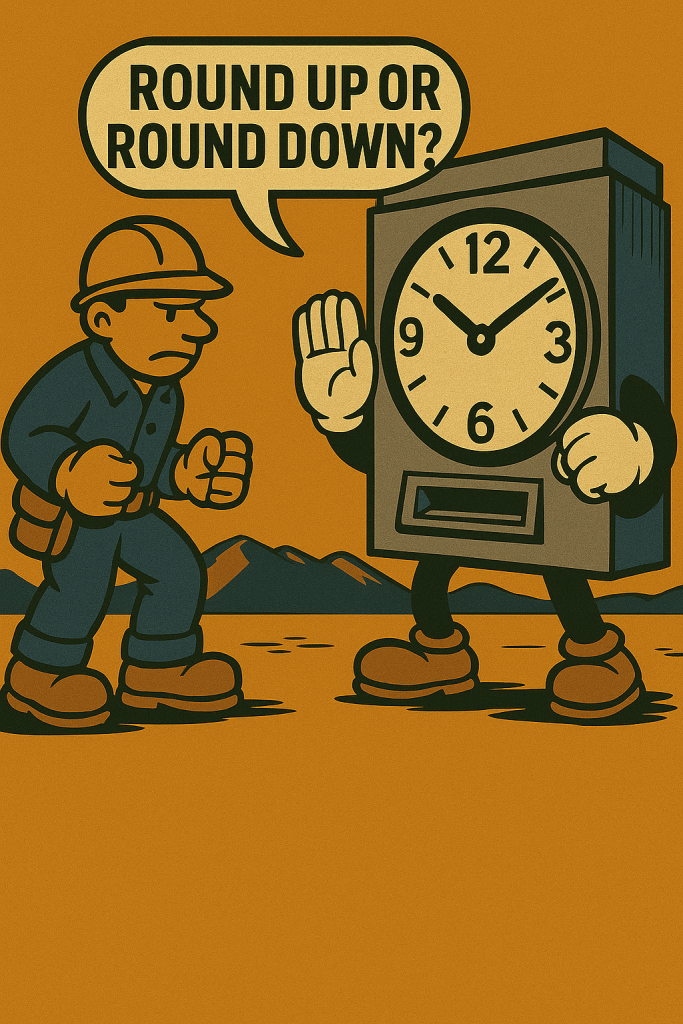
A recent DOL enforcement action shows how routine rounding practices can spiral into serious legal exposure. This post breaks down one employer’s nearly $600,000 mistake—and explains what the FLSA really permits when it comes to rounding work time.


TL;DR: A construction contractor just had to pay nearly $600,000 in back wages and damages after the Department of Labor found systemic underpayment of overtime. A key issue? The company’s rounding and timekeeping practices. Rounding work time can be legal—but only if it doesn’t shortchange employees over time. Here’s what every employer needs to know.


A Costly Lesson in Cutting Corners

noun-singer-4999106-1024x1024

Last year, several media outlets reported about a lawsuit that a clothing designer who worked for Lizzo and her touring company had asserted against them and another individual. That lawsuit included several claims under state law for discrimination, retaliation, and assault, among others.

On paper, it didn’t sound good for the defendants. Continue reading

“Doing What’s Right – Not Just What’s Legal”
Contact Information