Articles Posted in Hiring & Firing


ChatGPT-Image-Jul-19-2025-12_57_52-PM

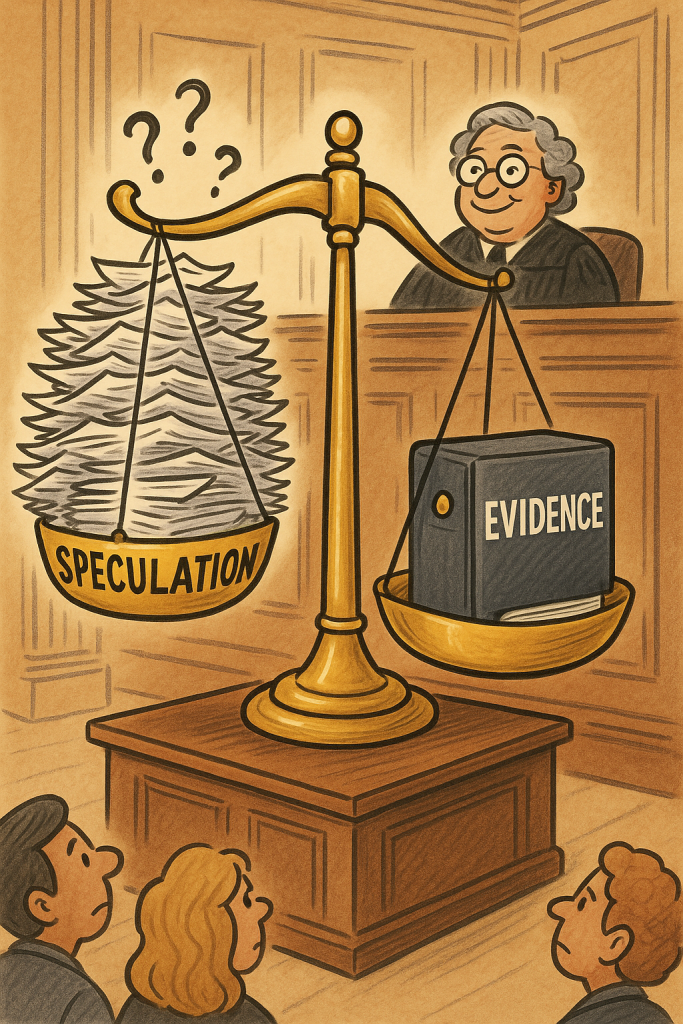
When a trucking company told a deaf applicant, “No, I’m sorry, we can’t hire you because of your deafness,” it wasn’t just a bad look—it was a multimillion-dollar ADA violation. The jury awarded $36 million (later capped), and the appeals court backed it up. Continue reading

ChatGPT-Image-Jul-15-2025-09_18_15-PM-683x1024

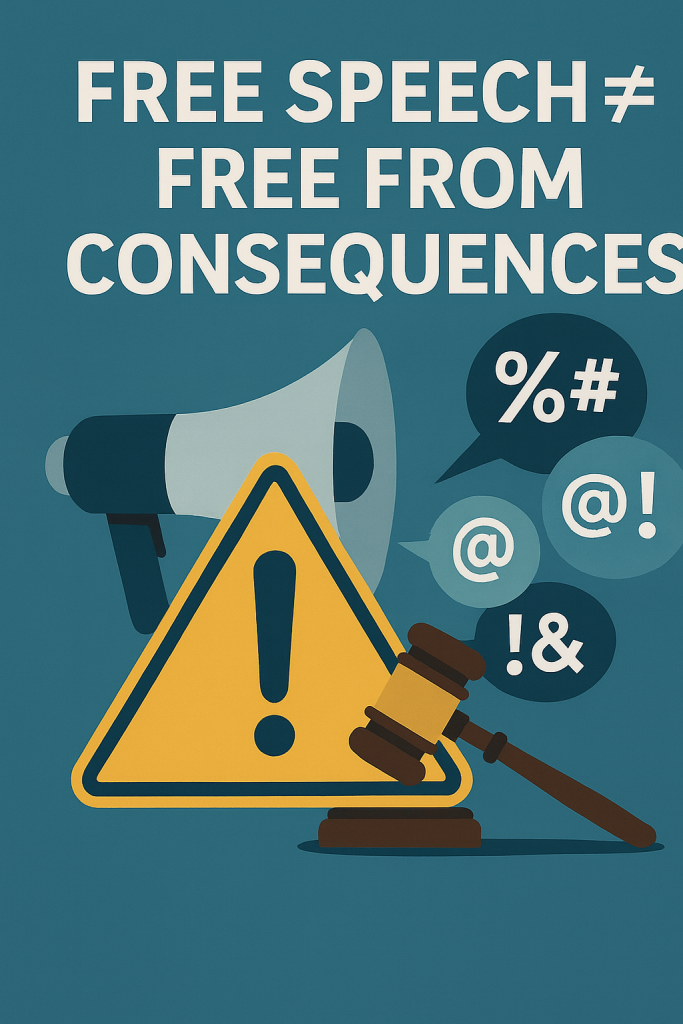
What happens when an employee posts something offensive online—off the clock, but under their real name—and it causes a workplace backlash?

In one recent case, a government communications staffer wrote an inflammatory blog post opposing the Equality Act. The language he used was graphic and anti-LGBTQ+. The employer received complaints, workplace disruption followed, and he was suspended, ordered to attend anti-discrimination training, and eventually fired.

He claimed the First Amendment protected him. A federal appeals court disagreed. And while the decision binds only public employers, the lessons extend well into the private sector. Continue reading

ChatGPT-Image-Jul-14-2025-07_43_50-AM-1024x683

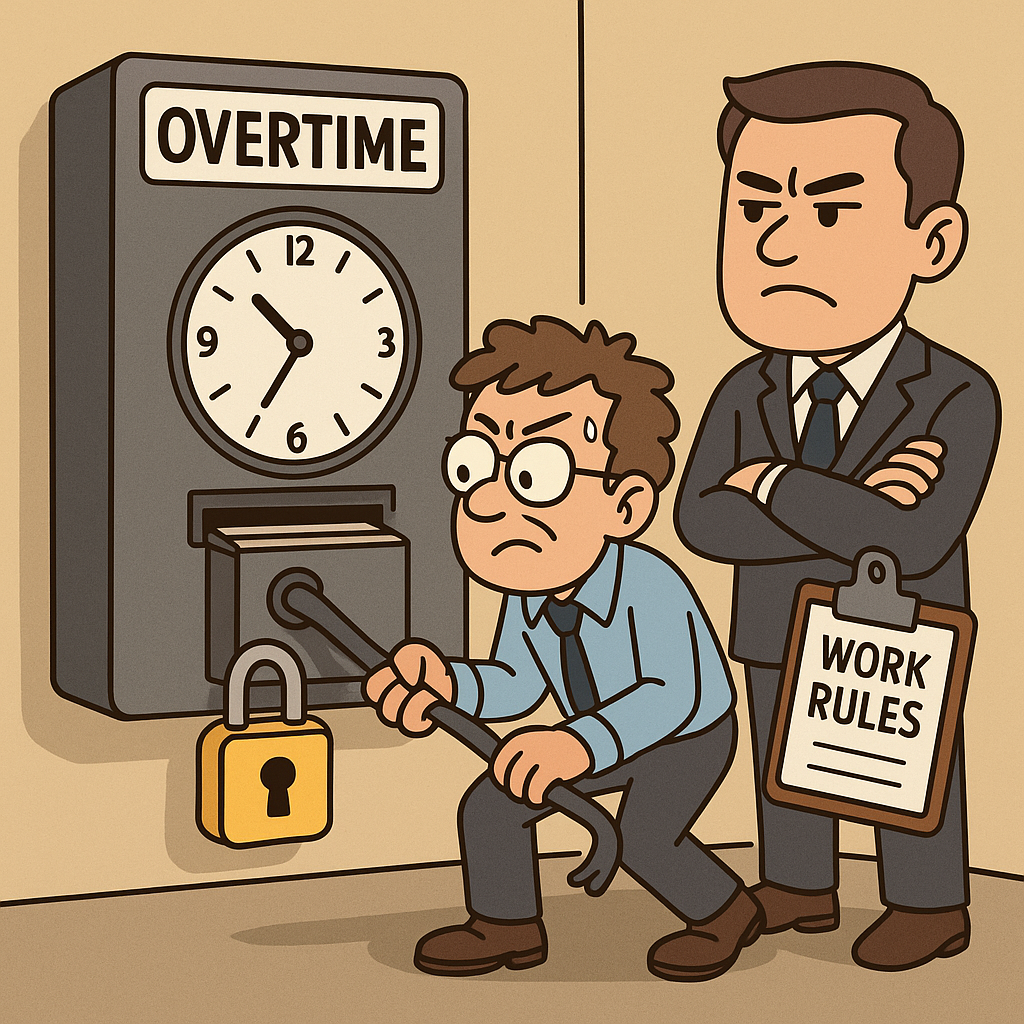
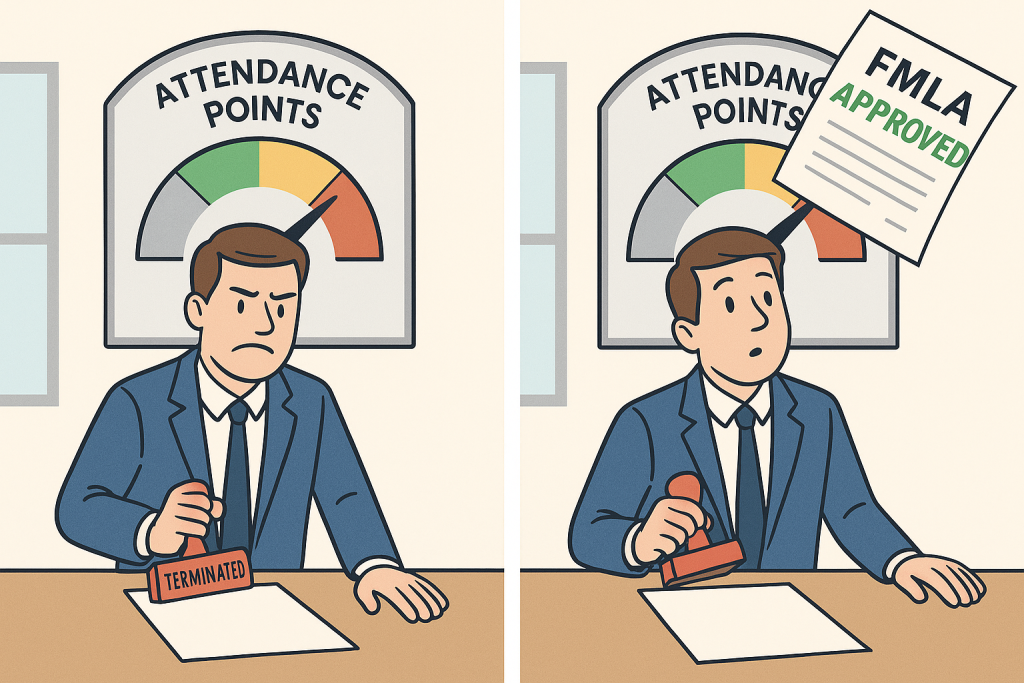
A transit agency thought it had a clear-cut reason to fire an employee under its no-fault attendance policy. But a disputed call-out, followed by a retroactive FMLA approval, now means a jury gets to decide whether the termination was lawful. Continue reading


ChatGPT-Image-Jun-25-2025-10_07_49-PM-1024x683

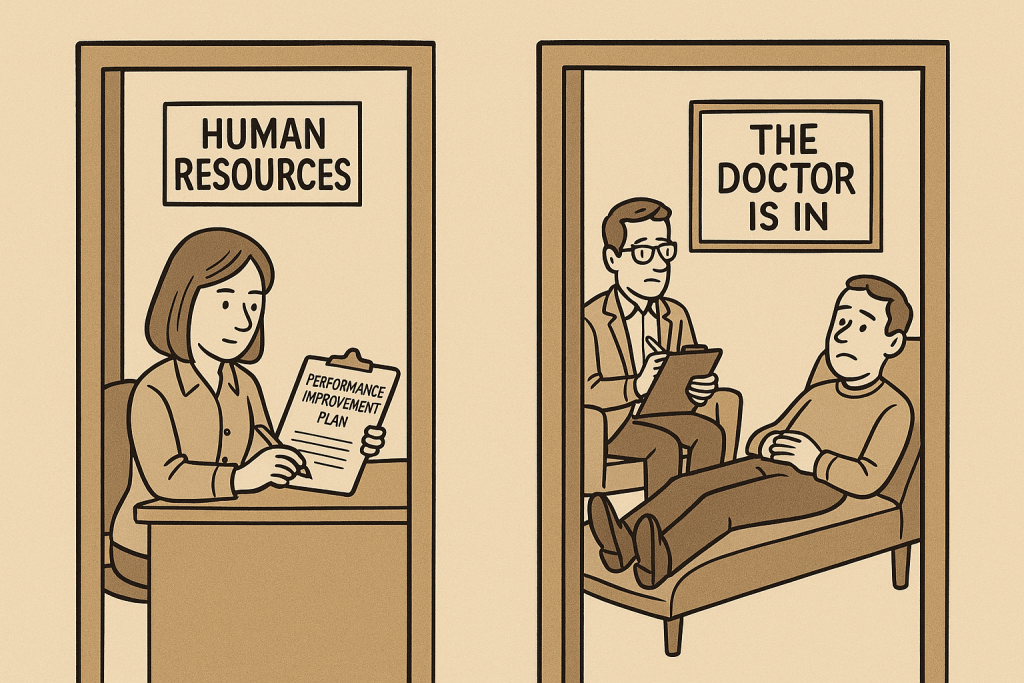
Some lawsuits simmer before they boil. This one arrived preheated—with a racist meme, a televangelist plaintiff, and a CEO who mocked him as “Tattoo,” texted a blackface-style image, and said, “Well if I’m your pimp where’s my money? Bring me my money!” When the plaintiff objected, the threats started. The judge didn’t laugh. Now a jury will decide whether this crossed the line from offensive to unlawful. Continue reading

ChatGPT-Image-Jun-24-2025-11_28_26-PM

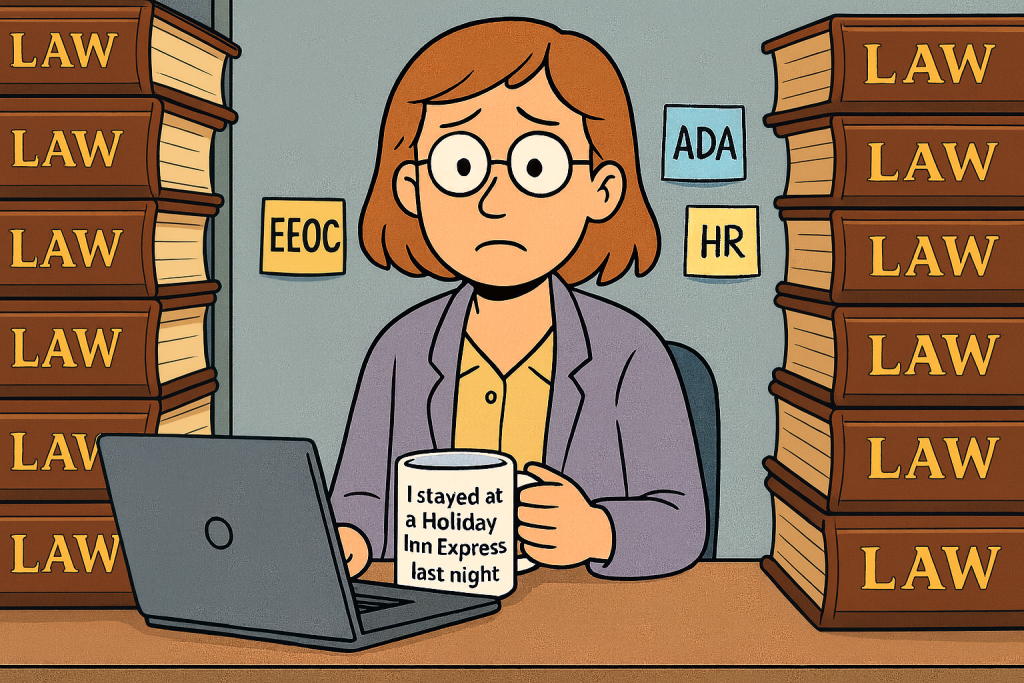
Noncompetes are under pressure. Federal regulators have wanted to ban them. States like California, Minnesota, and Oklahoma already have. And even where they remain technically legal, courts are increasingly skeptical—especially when the restrictions go further than necessary. Continue reading

“Doing What’s Right – Not Just What’s Legal”
Contact Information