Back in 2011, when y’all were Tebowing, planking and winning, I was blogging about this case where an employer allegedly updated its employee’s Facebook page and tweeted from her Twitter account without her permission while she was on leave from work following a car accident.

The Stored Communications Act prohibits intentional, unauthorized access to electronically stored communications. The employer admitted that it had accessed the employee’s social media accounts. However, it claimed that it had permission because the employee left her passwords stored on a company server. So, the employer moved for summary judgment.

Opposing the motion, the employee argued that, while the company did possess the account passwords, she had told them to leave their digital fingers off of her social media accounts. This would have made the access unauthorized.

Yesterday, I read this post from Sara Hutchins Jodka at Employer Law Report about how to pay employees for Daylight Savings Time work and comply with the Fair Labor Standards Act.

Then I ate a big bowl of pulled pork and I thought to myself, “Damn, I’m feeling lazy tonight! With the bazillion posts that I’ve published — and for which none of my freeloading readers have ever offered to pay — there must be a Daylight Savings FLSA post I can recycle.”

…and

In a few weeks, the National Football League owners are going to consider a proposed rule governing the use of the “N”-word during a football game. If the rule goes into effect, any team with a player who uses the “N”-word during a game, will be assessed a 15-yard penalty.

Players, young and old, disagree on the rule.

Here are Michael Wilbon and Jason Whitlock from ESPN’s Outside the Lines debating the merits of the proposed new rule.

But, faced with those facts, that didn’t stop one employer from moving for summary judgment and asking the court to dismiss a female employee’s claims of sexual harassment.

Could the company have possibly prevailed? Find out after the jump…

Oh wait, before we jump, I left out the part where the plaintiff claimed that her male co-worker also told her, “I’ll have you cum before you get your pants off.”

And then there’s the time when that same co-worker said, “Hey! we got your Christmas present!” whereby he held up a vibrating tool and thrust it towards the plaintiff’s genitals.

And what about the other male co-worker who would routinely come up from behind the plaintiff, lean in and smell her in a sexual fashion while pushing his groin into her?

Or when another male co-worker said to the plaintiff, “I just like fucking with you, why would I want to get you fired? I would miss watching that ass of yours!”

Ok, now we can jump and play did the employer get the case dismissed on summary judgment?

* * *

Continue reading

facebookdislike.pngI’ll bet the father didn’t “like” that so much. 

Get it?

Dad is the former headmaster at a school in Florida. When the school failed to renew his employment contract, he sued for age discrimination and retaliation. Eventually the two sides settled, with the school to pay $10,000 in back pay, $80,000 as a “1099”, and $60,000 to dad’s attorneys.

Three years at this blog without discussing mohawk hairstyles in the workplace. Now, two posts in one week. Which reminds me of the time I dressed up as BA Baracus for Halloween in law school

Ah, yes. That mohawk….and BA’s fear of flying. Ties right into today’s post.

(I love it when a plan comes together)

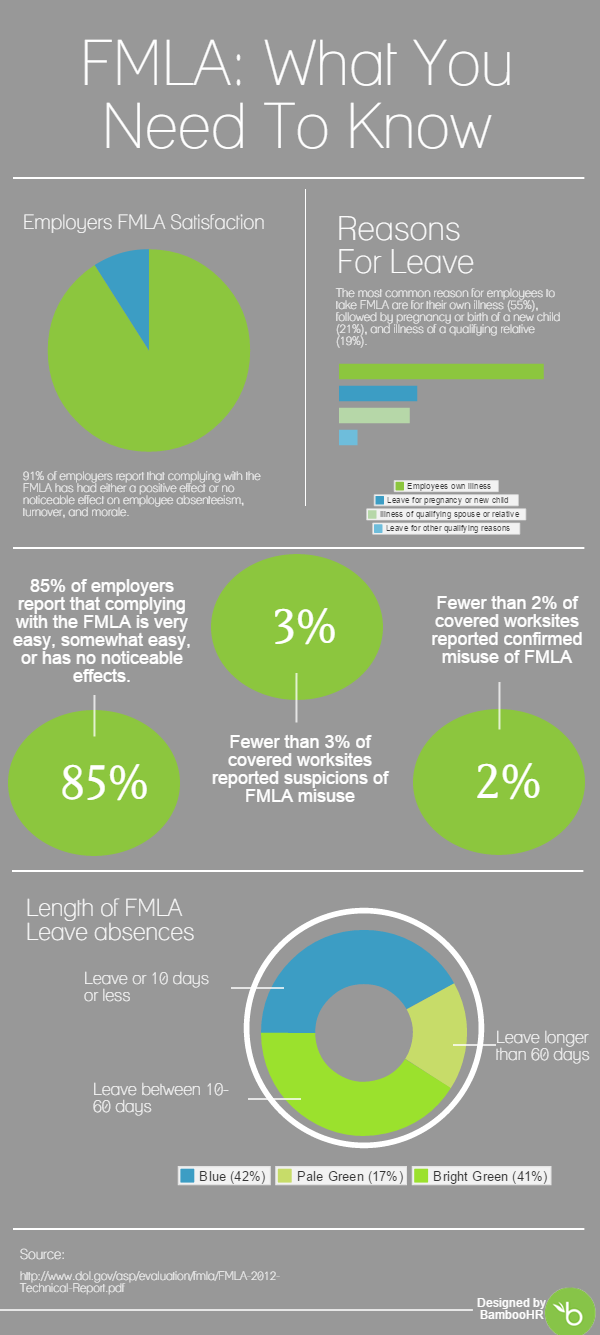
Those four-letter federal employment statutes — FMLA and FLSA — can be a real pain in the ass, amirite?

Today’s let’s focus on a major employer pitfall: intermittent leave under the Family and Medical Leave Act.

The FMLA regulations define intermittently leave this way:

That social media policy of yours. The one in which you begrudgingly tolerate employee social media use on their own time and roadblock their efforts to use it at work.

You may want to revise it. ASAP!

Chad Brooks at Business News Daily reports here about a recent study by two members of the Society for Industrial and Organizational Psychology, which concludes that workplace morale improves when employees use social media on their smartphones at work.

“Doing What’s Right – Not Just What’s Legal”
Contact Information