Articles Posted in

1757931531394-copy
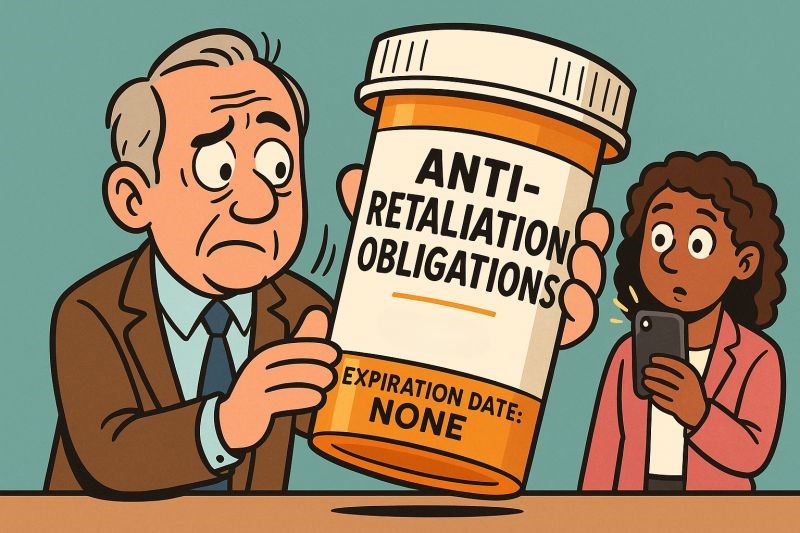
Retaliation cases often turn on timing, but this one shows that even years after the fact, employers can still be on the hook. Add in a secretly recorded “smoking gun” conversation, and you have a recipe for a costly settlement.


TL;DR: The EEOC announced a $350,000 settlement with two Arkansas healthcare entities accused of firing a physician assistant in retaliation for her role in a sexual harassment investigation. The case shows that retaliation protections apply to anyone who participates in such investigations, that liability can extend even years after the protected activity, and that recordings of workplace conversations can be decisive.

📰Read the EEOC’s press release.


ChatGPT-Image-Sep-11-2025-09_55_06-PM-1024x683

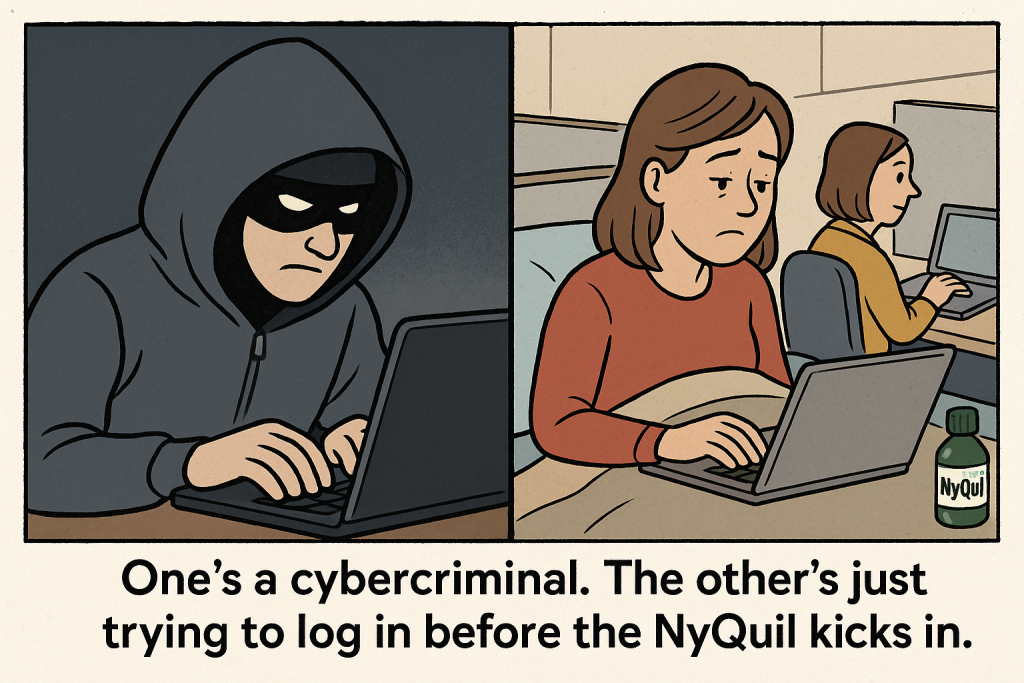
It started with a sick day, a spreadsheet literally called “My Passwords.xlsx,” and a colleague trying to help. It ended with a company accusing two former employees of federal computer crimes and trade secret theft.

The Third Circuit’s response? Nice try — but workplace policy violations aren’t hacking. Continue reading


ChatGPT-Image-Sep-8-2025-10_23_02-PM-1024x683

Before we get to the law, let’s admit it: anytime a case involves a supervisor leaning in to whisper in someone’s ear, you can almost hear George Michael’s sax riff in the background. But as this recent federal court decision shows, not every whisper, awkward or otherwise, creates a viable harassment or retaliation claim. Continue reading

ChatGPT-Image-Sep-4-2025-05_59_57-PM-1024x683

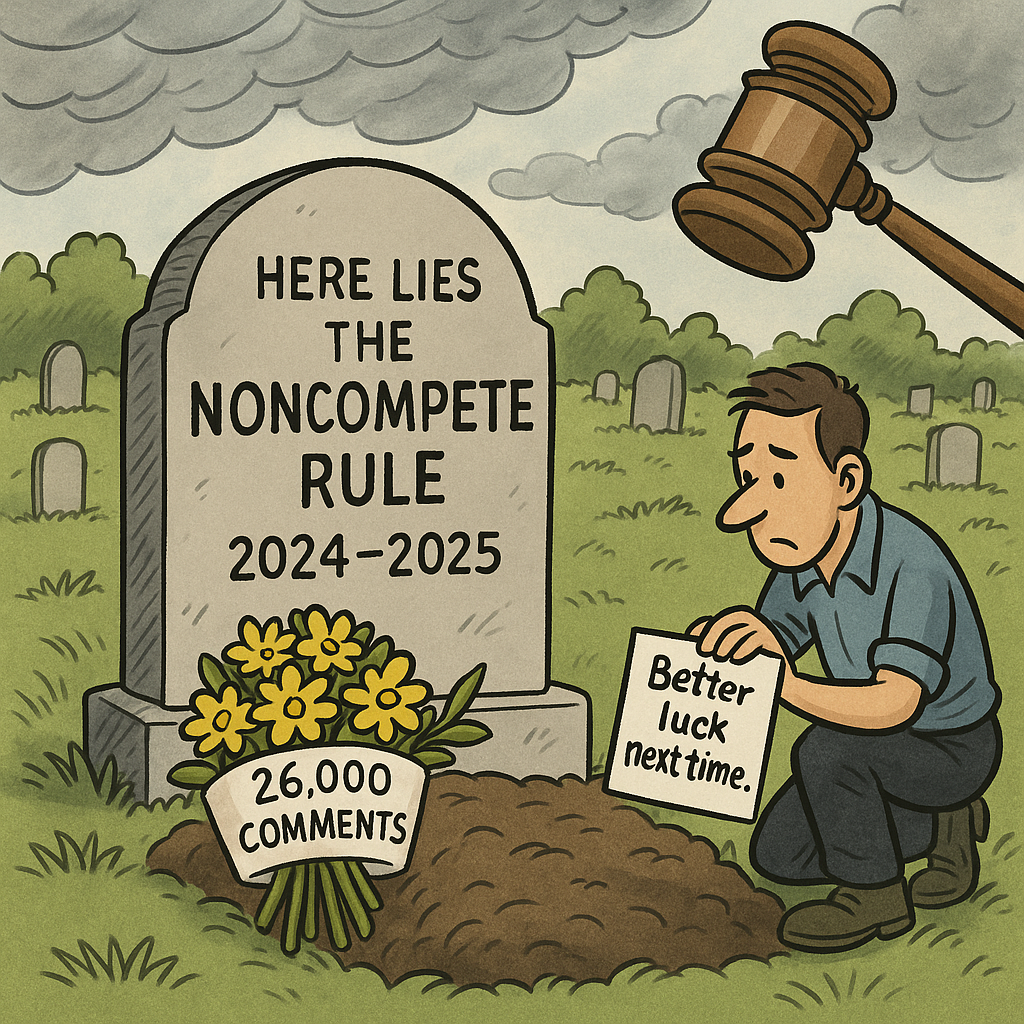
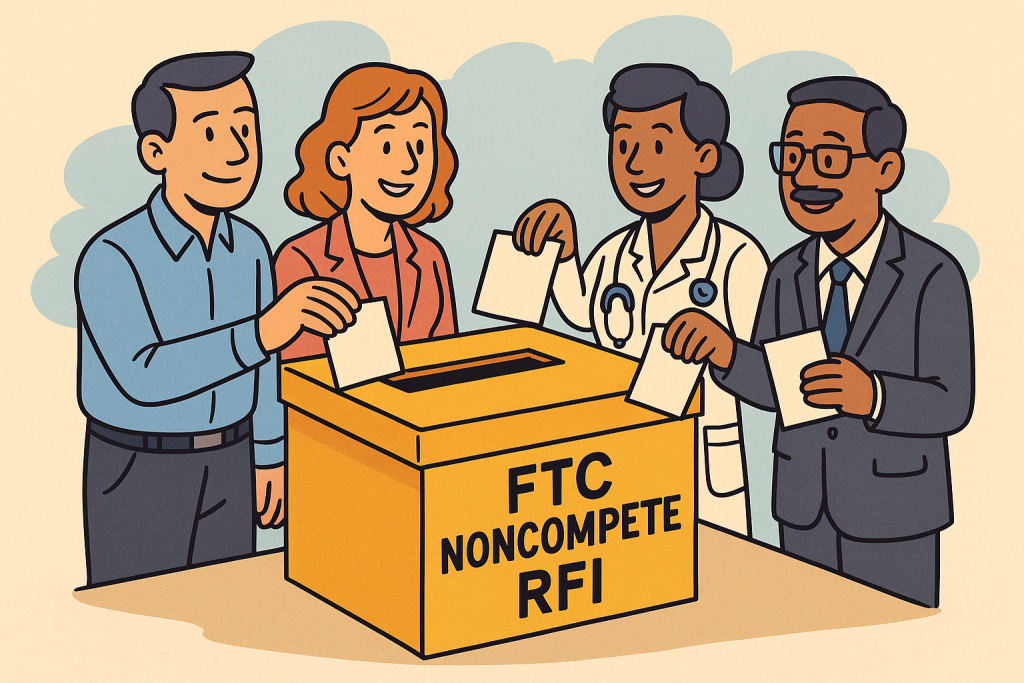
The Federal Trade Commission isn’t finished with noncompetes. It is gathering information to understand when these agreements cause real harm and when they may serve legitimate business purposes. Case in point: its latest enforcement action against an employer that allegedly relied on broad, boilerplate restrictions. Continue reading


ChatGPT-Image-Sep-3-2025-09_22_21-PM

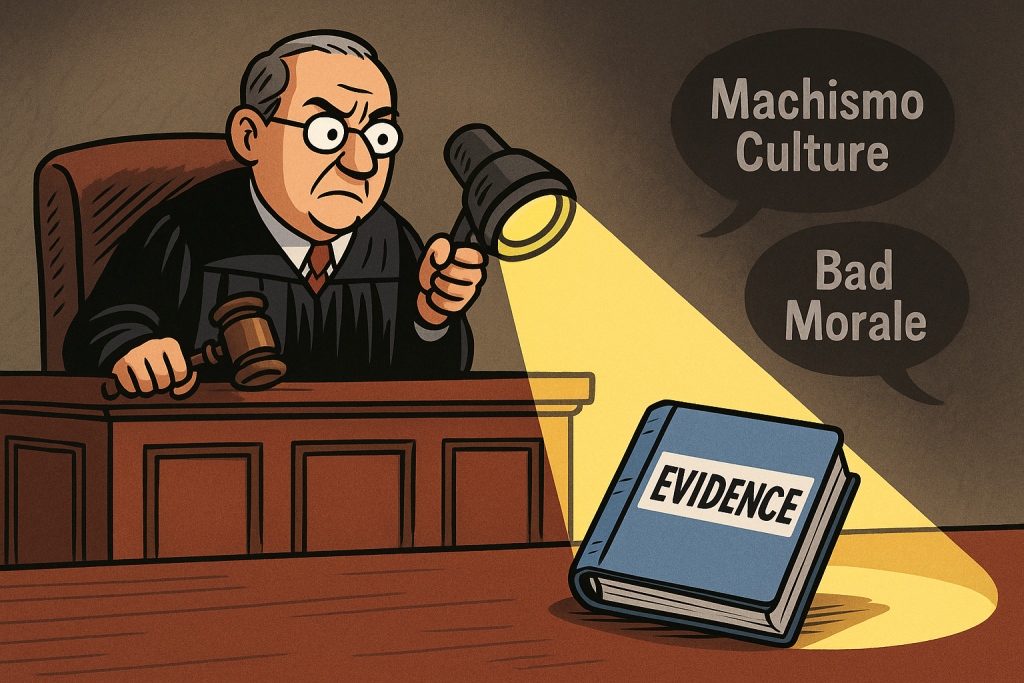
The Seventh Circuit has made clear it is inclined to hold that the Age Discrimination in Employment Act (ADEA) permits hostile work environment claims. At the same time, the court reminded employers that recognition is not enough. Plaintiffs still need proof, and speculation will not do. Continue reading

Posted in:
Updated:
“Doing What’s Right – Not Just What’s Legal”
Contact Information