Search
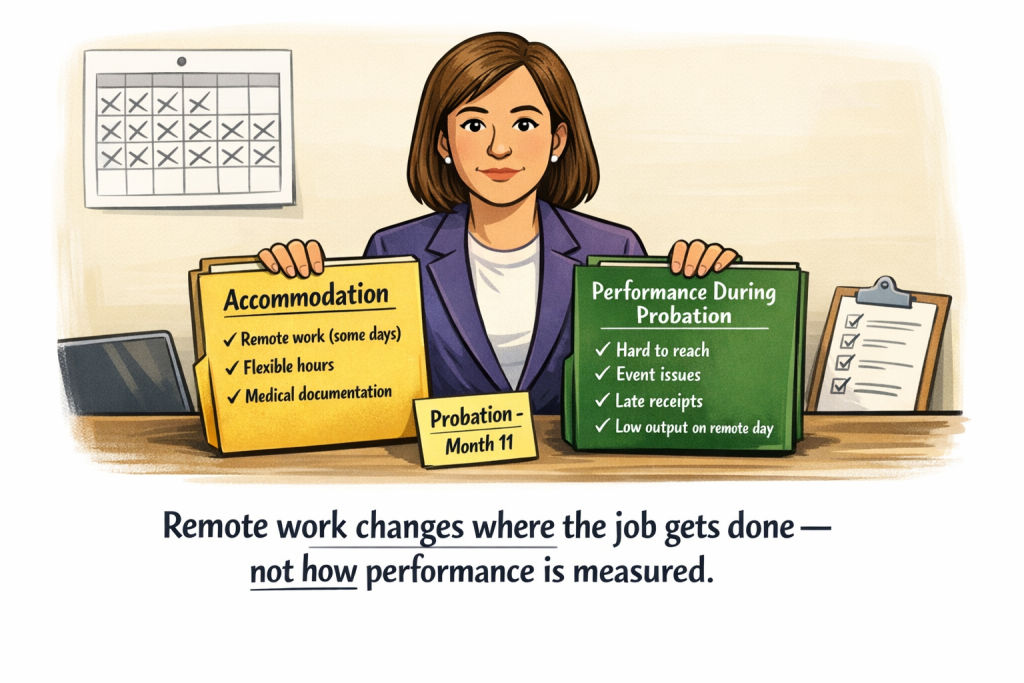
Remote Work as an Accommodation Still Comes With Performance Expectations

When an employee’s health takes a turn, the instinct is to be flexible. The legal risk is assuming flexibility means you cannot enforce expectations. Continue reading

When an employee’s health takes a turn, the instinct is to be flexible. The legal risk is assuming flexibility means you cannot enforce expectations. Continue reading

Governor Murphy just expanded the New Jersey Family Leave Act. It reads cleanly in the statute. It reads a little differently once you try to apply it to real people and real leave requests.
These amendments are not cosmetic. They expand coverage, accelerate employee eligibility, and formally connect NJFLA to New Jersey’s paid-leave system. For employers, this is a structural change in how leave has to be managed. Continue reading

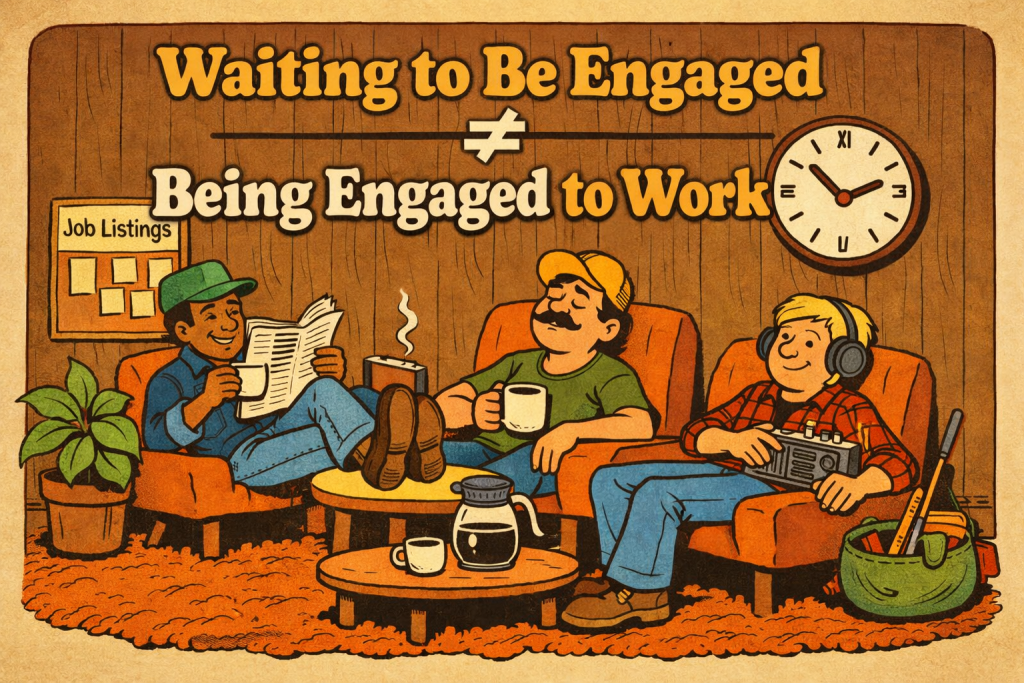
Wage-and-hour disputes often come down to one deceptively simple question: when does paid work actually begin? A recent Eleventh Circuit decision draws some clear – and employer-friendly – lines around travel time, tool time, and waiting time under the Fair Labor Standards Act. Continue reading

No-hire agreements have quietly lived in vendor and service contracts for years.
The FTC has now made clear that they are an active antitrust enforcement target. Continue reading

Constructive discharge is one of the most misunderstood concepts in employment law. Employees often assume that feeling sidelined, embarrassed, or treated unfairly is enough to turn a resignation into a legal claim. Courts, however, continue to apply a far stricter standard – one that looks past discomfort and focuses on whether working conditions were truly intolerable.
A recent federal court decision out of Arkansas reinforces that point. Continue reading

HR professionals do not have a crystal ball. When an employee files an EEOC charge, no employer can predict how that dispute might later be reframed in a lawsuit or expanded with new legal theories.
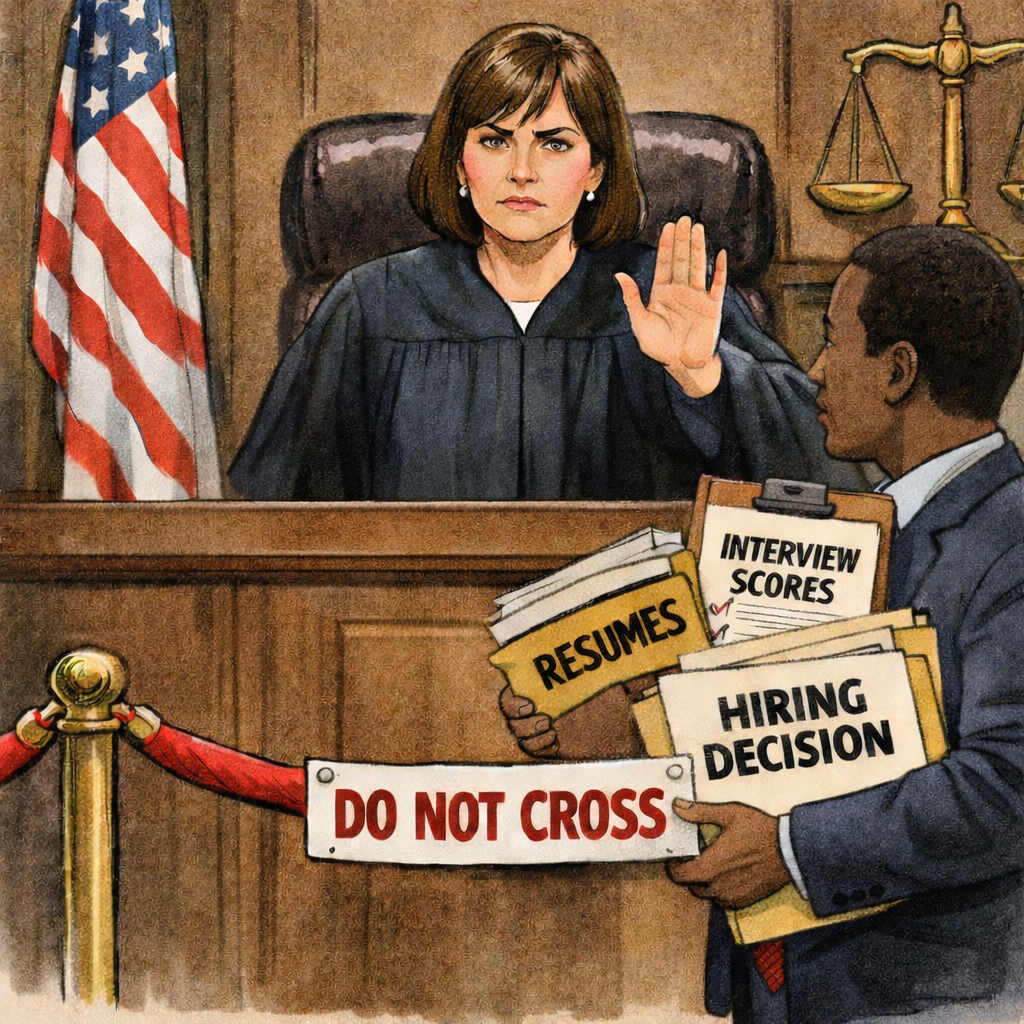
A recent Fourth Circuit decision recognizes that reality, while still reinforcing something practical for employers and HR teams alike: the EEOC charge plays a meaningful role in defining the case that follows. Continue reading

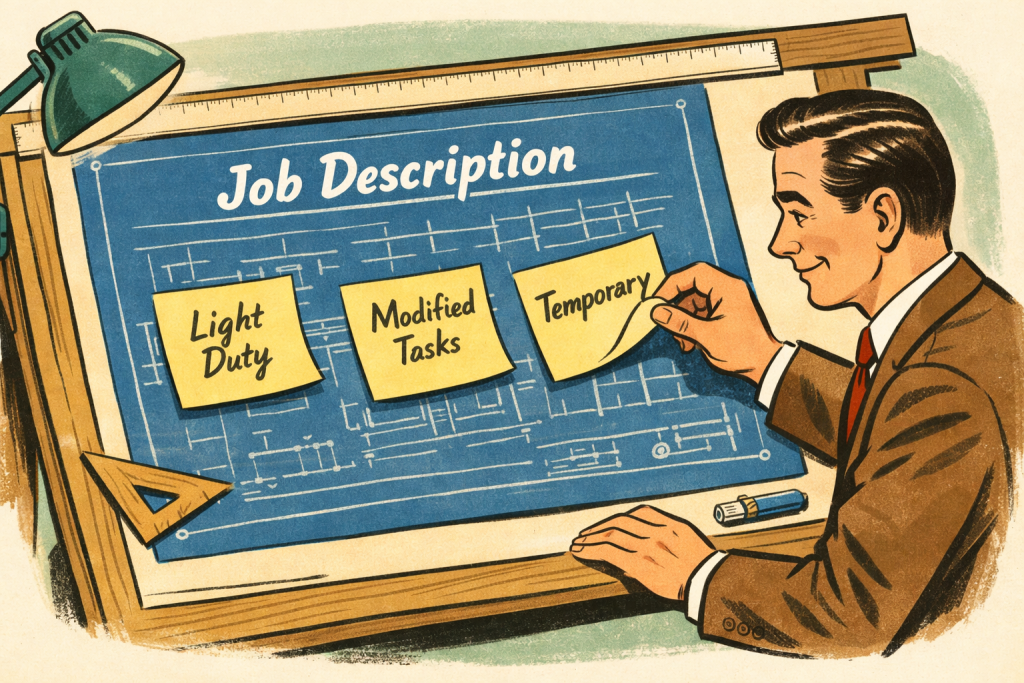
Employers often worry that a good-faith effort to keep an injured employee working will later be used against them as proof they “could have accommodated” the employee indefinitely. A recent Sixth Circuit decision draws a clear line between temporary flexibility and permanent obligation. Continue reading

Employees do not need perfect words or legal buzz phrases to trigger ADA protections. But they do need to communicate clearly enough to let an employer know they are asking for a change at work because of a medical condition.
A recent federal court decision out of Ohio shows what happens when that step never happens. Continue reading

Courts see plenty of promotion disputes that boil down to one familiar complaint: I should have gotten the job.
The Fourth Circuit just explained why that argument usually is not enough. Continue reading

On January 5, 2026, the U.S. Department of Labor’s Wage and Hour Division issued six opinion letters addressing a range of FMLA and FLSA issues. This post – part three of a three-part series – covers the final two letters, both under the FLSA, and both aimed at assumptions employers sometimes make about flexibility.
One letter addresses whether mandatory pre-shift “roll-call” time can be excluded from overtime calculations based on a collective bargaining agreement. The other addresses how to apply the commissioned-employee overtime exemption when state minimum wage exceeds the federal minimum wage – and what actually counts as commissions. Continue reading