ChatGPT-Image-Dec-13-2025-12_06_25-PM-1024x683
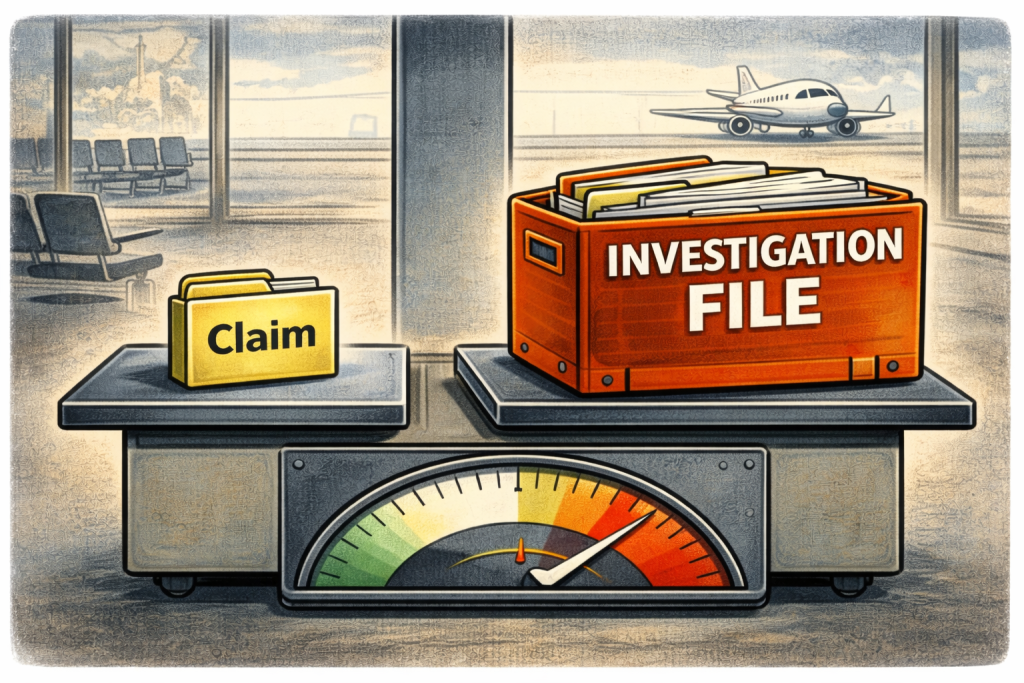
Employers often assume that launching an investigation is a safe harbor.

The Tenth Circuit just delivered a reminder that when decisionmakers rely on a flawed investigation, the process can matter as much as the decision itself.


TL;DR: The Tenth Circuit revived two Title VII retaliation claims after a physician reported alleged sexual harassment by another doctor and was later terminated and reported to a state licensing board. Although an investigation alone is rarely actionable retaliation, the court held a jury could find that a one-sided internal investigation – including skipped interviews, selective fact-gathering, and uncritical reliance by senior decisionmakers – supplied the retaliatory animus and causation for materially adverse actions under a cat’s paw theory.

ChatGPT-Image-Dec-13-2025-10_01_10-AM-1024x683

The EEOC’s decision to pull back from investigating disparate impact claims has been loud, controversial, and headline-worthy. And for employees watching their charges get administratively closed in real time, it can feel like the agency has simply walked away. But federal courts are not there to referee agency priorities or second-guess investigations.


TL;DR: A federal court dismissed an employee’s lawsuit against the EEOC after the agency administratively closed her disparate-impact charge following a shift in enforcement priorities. The court held that charging parties have no judicially cognizable right to a particular EEOC investigation, and no standing to force the agency to reopen one. Whatever the EEOC does or does not do, Title VII of the Civil Rights Act of 1964 claims are litigated de novo against the employer – not the agency.

📄Read the decision


ChatGPT-Image-Dec-6-2025-06_33_13-PM-1024x683

Congress is not slowing down on AI regulation. Weeks after lawmakers introduced a bill requiring employers to track how many jobs AI creates and eliminates, another proposal has arrived that targets how employers actually use AI at work. Continue reading

ChatGPT-Image-Dec-6-2025-01_31_21-PM

How can you tell if your business is big enough to trigger federal or state employment laws? A recent Ninth Circuit case illustrates just how complicated that question can get. Two columns in a payroll spreadsheet generated two different employee counts, creating a triable issue about legal coverage. Continue reading


ChatGPT-Image-Dec-6-2025-11_24_43-AM

Sometimes the biggest workplace stories are the ones that hit closest to home for HR professionals. A recent jury verdict involving the Society for Human Resource Management (SHRM) is one of those moments, not because of who the defendant was, but because the issues are ones every employer faces. Continue reading

“Doing What’s Right – Not Just What’s Legal”
Contact Information