Search
 The Employer Handbook Blog
When Your Spouse Is Ill, What Does the ADA Really Protect?


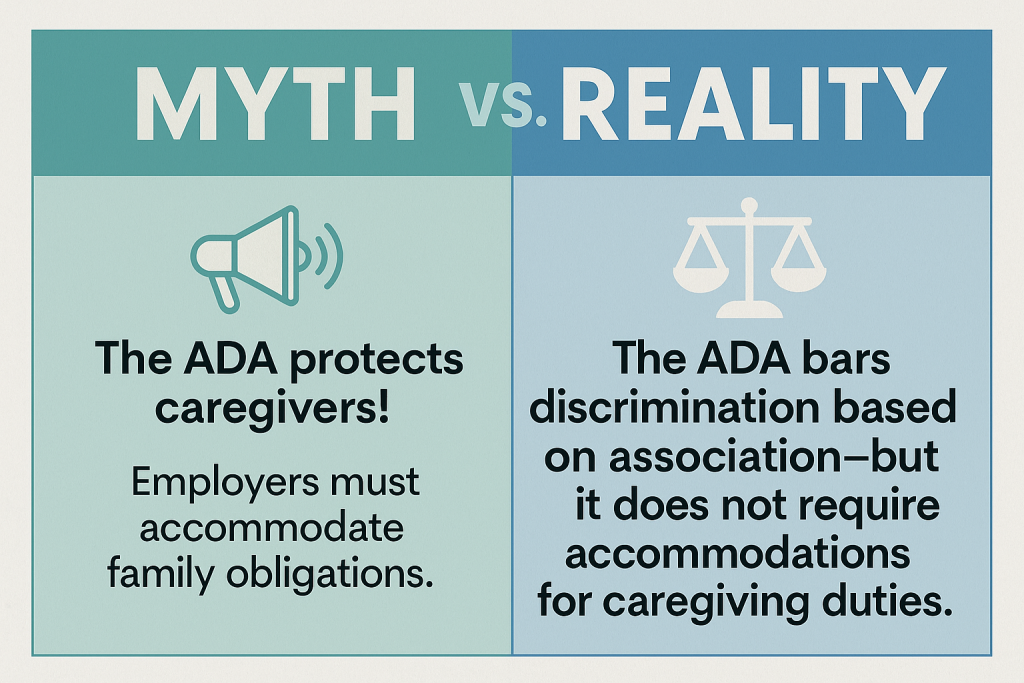
A new Eleventh Circuit decision shows just how limited associational disability discrimination claims can be. Continue reading

A new Eleventh Circuit decision shows just how limited associational disability discrimination claims can be. Continue reading
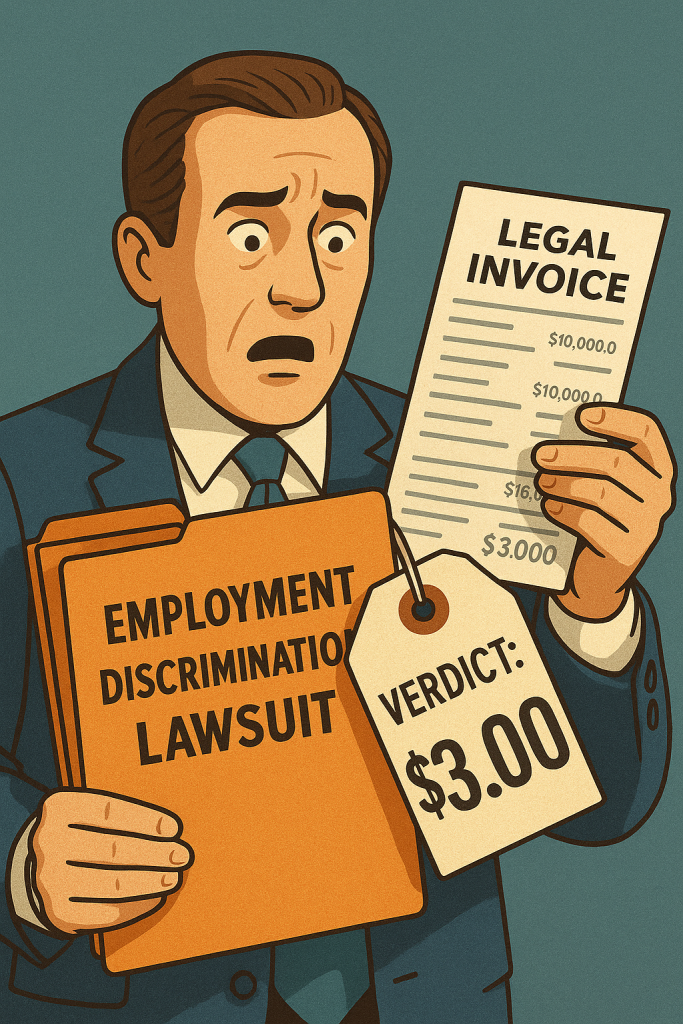
He proved age discrimination. The jury agreed. Then they awarded him $3. One dollar for back pay, one for front pay, and one for emotional distress. No, this wasn’t small claims court. But it might as well have been. Continue reading
It’s one of the few government programs that rewards employers for doing the right thing before getting sued. Continue reading
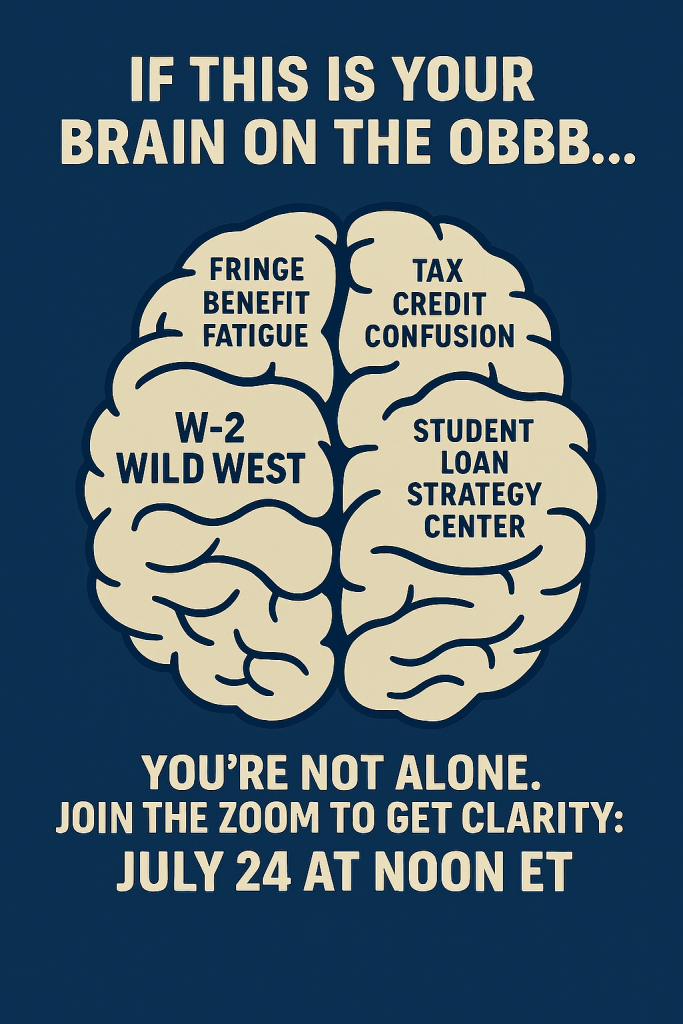
The One Big Beautiful Bill (OBBB) is now law—and it brings big changes for employers: new W‑2 reporting rules, new benefit structures, ACA verification requirements, and more.
At Noon ET today, I’ll be moderating a live Zoom panel with three of the sharpest tax and benefits minds I know:
Greg McKenzie – U.S. and international tax strategist
Liz Delnegro – Corporate and tax partner advising on regulatory and credit strategy
Jewell Lim Esposito – Employee benefits lawyer with decades of ERISA experience
📍 It’s free, it’s live, and it’s happening soon.
We’ll cover what’s changing, when it takes effect, and what employers should do now. No slides—just smart insight + Q&A.
“Gina works the diner all day, working for her man, she brings home her pay…”
But if her employer starts asking about her family medical history, we might have a problem. Not with Bon Jovi—but with GINA, the Genetic Information Nondiscrimination Act. If you’re not sure what that means, this post is your compliance crash course. Continue reading

When a trucking company told a deaf applicant, “No, I’m sorry, we can’t hire you because of your deafness,” it wasn’t just a bad look—it was a multimillion-dollar ADA violation. The jury awarded $36 million (later capped), and the appeals court backed it up. Continue reading
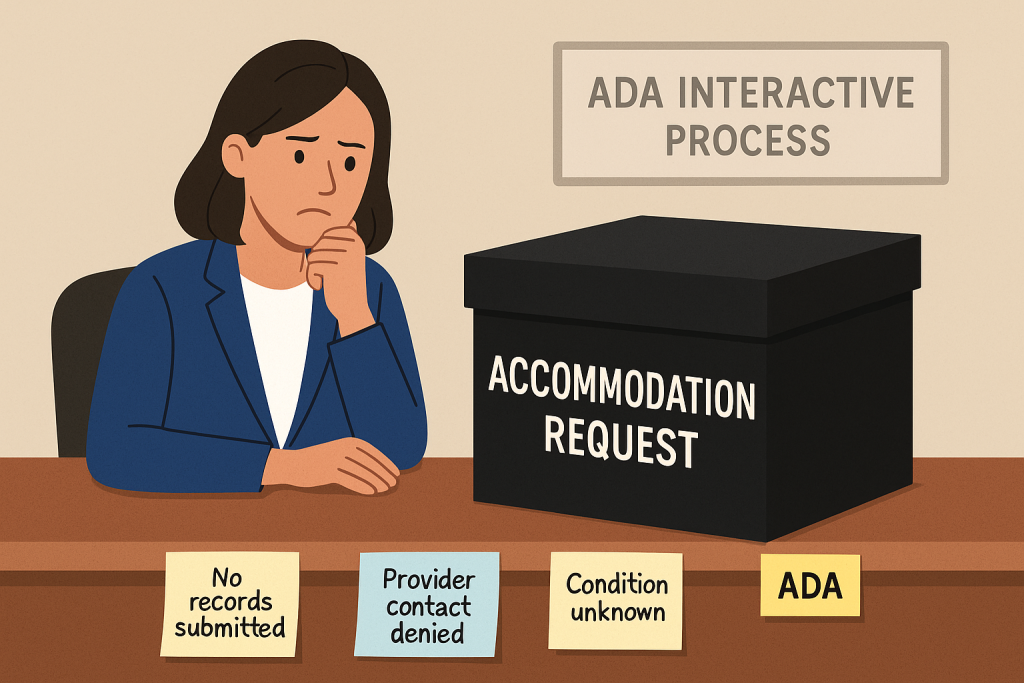
An employee requested a medical exemption from a workplace policy but refused to provide adequate documentation or let her provider clarify her condition. A federal appeals court found that was enough to end the interactive process—and the employer’s obligation. Continue reading
President Trump has nominated Scott Mayer and James Murphy to serve on the National Labor Relations Board (NLRB). If the Senate confirms them, it would give the Board a quorum—enough members to start issuing decisions again—and likely shift the Board’s direction to more pro-employer outcomes. Continue reading
What happens when an employee posts something offensive online—off the clock, but under their real name—and it causes a workplace backlash?
In one recent case, a government communications staffer wrote an inflammatory blog post opposing the Equality Act. The language he used was graphic and anti-LGBTQ+. The employer received complaints, workplace disruption followed, and he was suspended, ordered to attend anti-discrimination training, and eventually fired.
He claimed the First Amendment protected him. A federal appeals court disagreed. And while the decision binds only public employers, the lessons extend well into the private sector. Continue reading
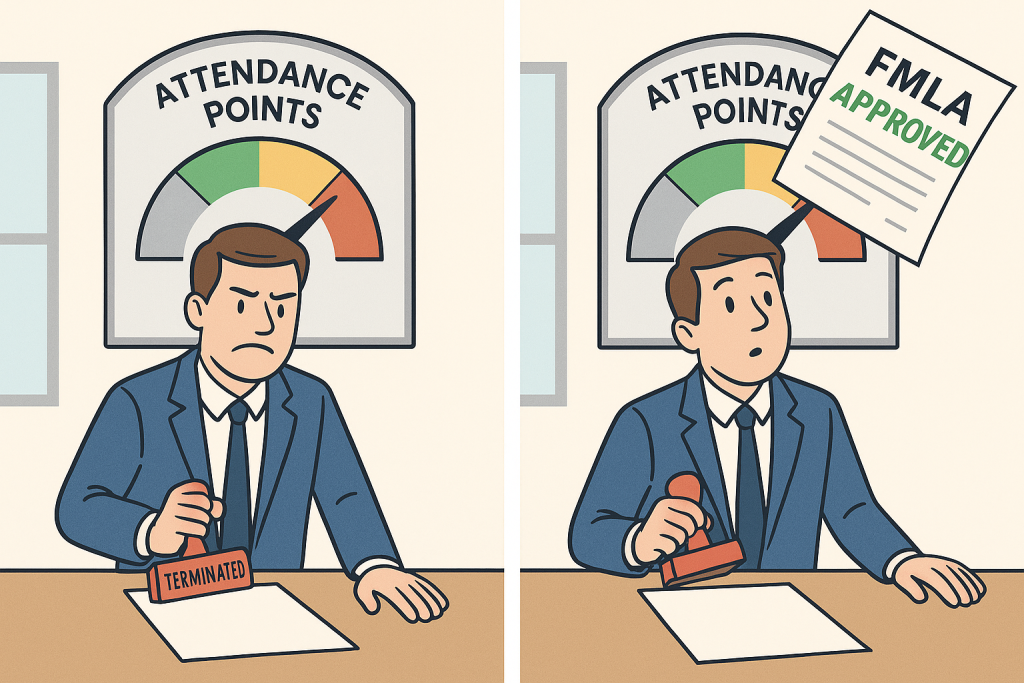
A transit agency thought it had a clear-cut reason to fire an employee under its no-fault attendance policy. But a disputed call-out, followed by a retroactive FMLA approval, now means a jury gets to decide whether the termination was lawful. Continue reading