Articles Posted in Sex

ChatGPT-Image-Sep-27-2025-09_58_03-AM

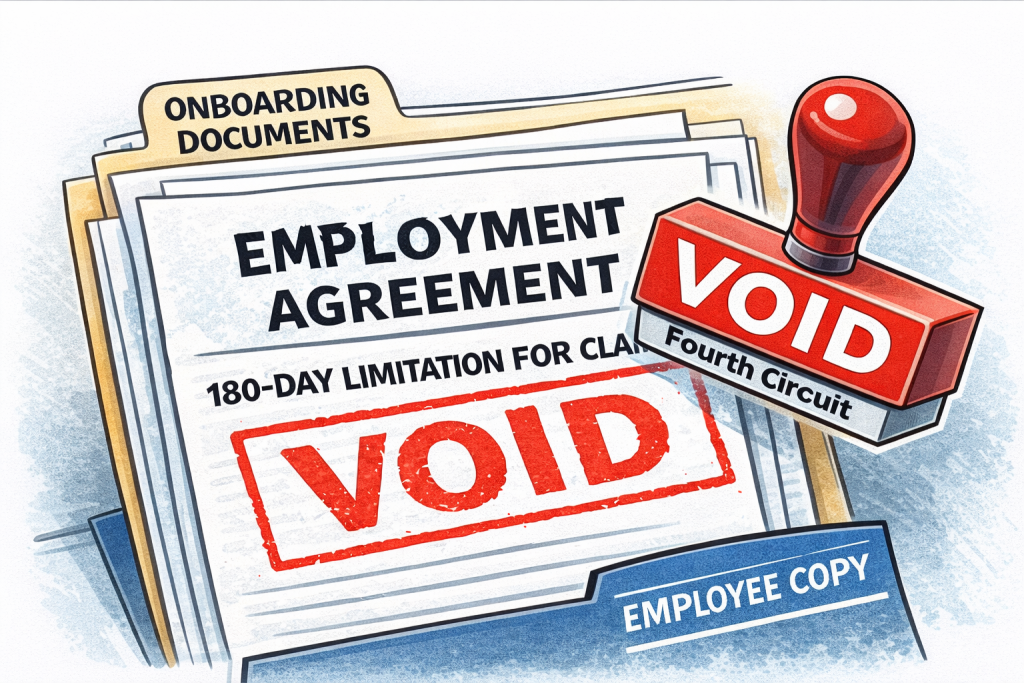
In 2022, Congress passed a law that makes it harder for employers to require arbitration in certain workplace cases. Some employees are now trying to use that law to keep sex discrimination lawsuits in court. A recent case in Connecticut shows the limits of that strategy: not every sex discrimination claim counts as sexual harassment, and only sexual harassment (or sexual assault) cases are exempt from arbitration. Continue reading

ChatGPT-Image-Sep-16-2025-09_51_35-PM-1024x683

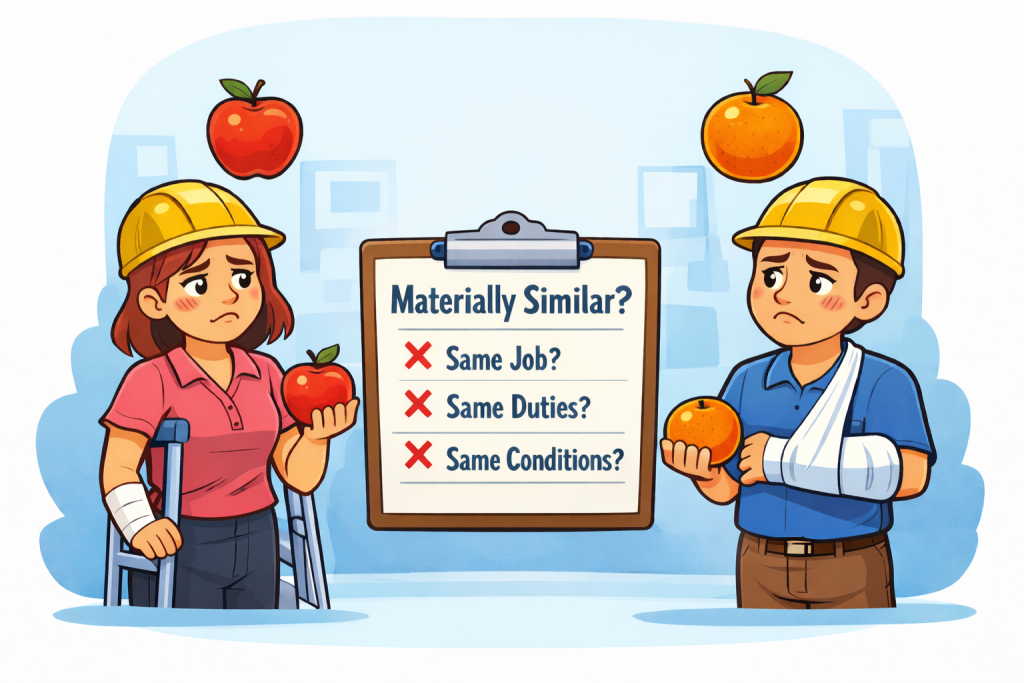
A longtime CFO thought his company’s succession plan was rigged against him in favor of a female candidate for CEO. He sued, claiming sex discrimination and retaliation. Thanks to recent Supreme Court guidance, men bringing reverse discrimination claims no longer face extra procedural hurdles. That makes these cases easier to start. But as this Sixth Circuit opinion shows, they are still hard to finish without evidence that sex was the real reason for the decision. Continue reading

ChatGPT-Image-Aug-3-2025-11_05_26-PM-1024x683

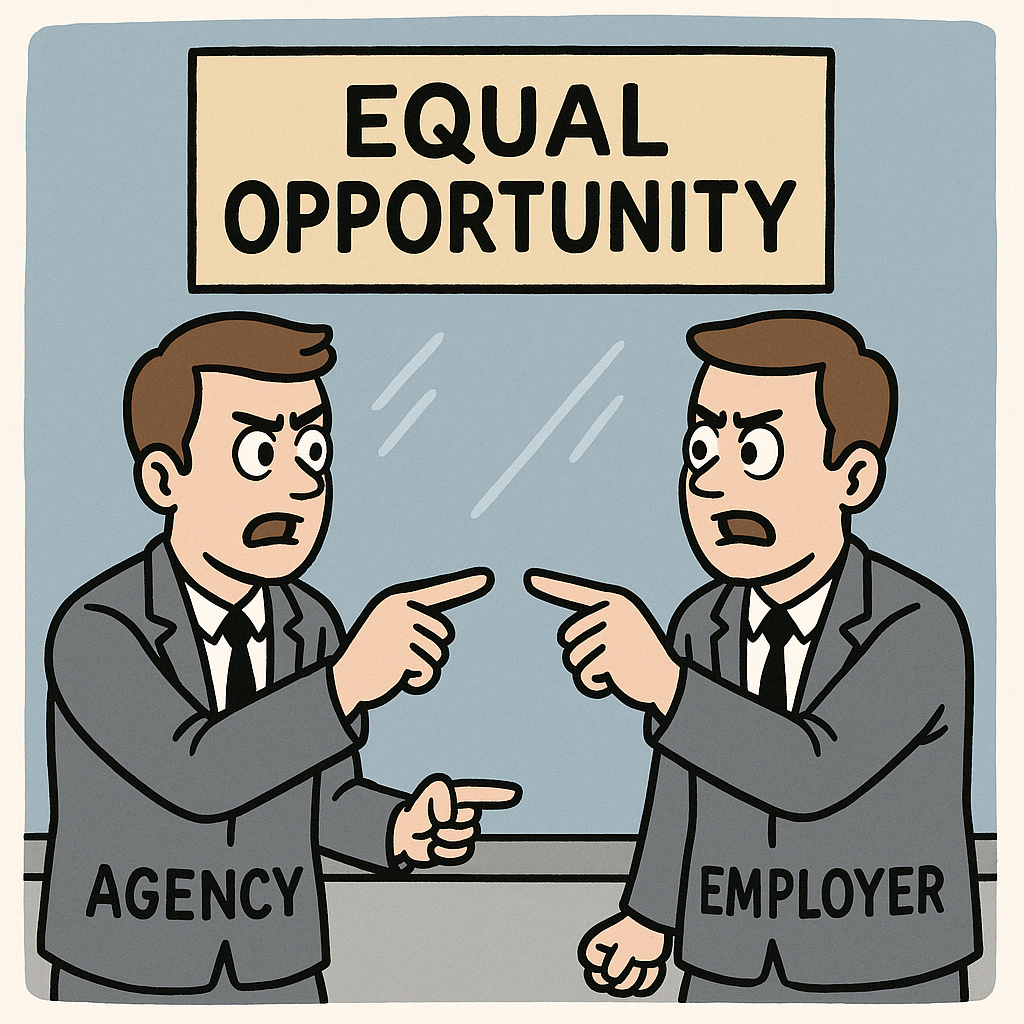
You think you’ve solved the problem. You separate the employee from the alleged harasser. You tell him not to contact her—ever. Years pass without incident. Then one day, the same two people cross paths again, and a decision that stops short of firing her, but directly threatens her pay and job security, is enough to keep a quid pro quo sexual harassment claim alive. Continue reading

ChatGPT-Image-May-20-2025-07_45_52-PM

If you’ve been staring at the words “EEO-1 Component 1” and thinking they sound like a rejected Star Wars droid, you’re not alone. But if you’re an HR pro at a private company with 100+ employees (or a federal contractor with 50+ employees and a contract over $50,000), you’ve got a legal obligation to get this right—and soon. Continue reading

ChatGPT-Image-May-1-2025-08_56_58-PM-683x1024

This week, lawmakers in both the House and Senate reintroduced the Equality Act, a bill that would explicitly prohibit discrimination based on sexual orientation and gender identity across numerous areas of federal law.

Although the bill has strong Democratic support, it lacks bipartisan backing—and given the political composition of Congress and the current administration’s stance, it is unlikely to become law during this session. Still, its reintroduction offers employers a timely opportunity to review existing policies and ensure compliance with current law. Continue reading

ChatGPT-Image-Apr-14-2025-07_41_51-PM-683x1024

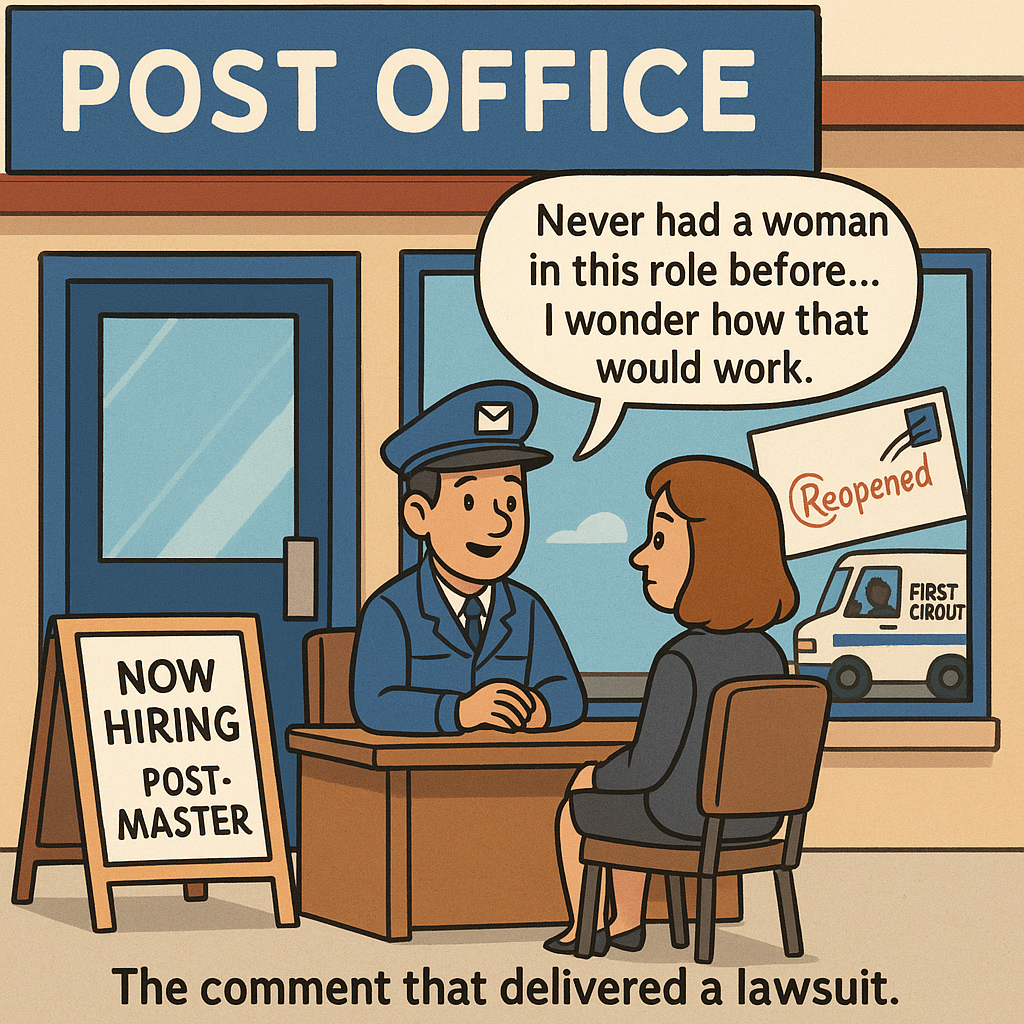
Some employers think they’ve found a silver bullet: delegate the tough call to someone else and—boom—problem solved, liability dodged. But as the Ninth Circuit recently reminded us, an “independent” reviewer isn’t a shield if they’re just channeling someone else’s bias. Continue reading

noun-podcast-7283198-1024x1024

Employers striving to enhance diversity, equity, and inclusion (DEI) have faced stiff headwinds recently from the federal government. The EEOC’s latest release, “What You Should Know About DEI-Related Discrimination at Work,” is more about what employers can’t do than what they can to promote DEI.

Underscoring the importance of caution, the EEOC has reminded employers that race, sex, or ethnicity-based preferences in DEI programs risk violating anti-discrimination laws. These announcements specifically warn against quotas, explicit racial or gender preferences, and any programs that could create perceived or real discriminatory outcomes.

The guidance aims to “help employers take action to avoid unlawful DEI-related discrimination,” noted EEOC Acting Chair Andrea Lucas.

But are there lawful actions employers can take to promote diversity, equity, and inclusion principles?

Yes. Ms. Lucas herself provided eleven solutions last year on an episode of Cozen O’Connor’s Employment Law Now podcast, hosted by Michael Schmidt. You can listen to them starting at 31:33 in the recording. Additionally, I’ve summarized them below. Continue reading

“Doing What’s Right – Not Just What’s Legal”
Contact Information