Search
Checking the Wrong Boxes on an EEOC Charge Has Real Consequences. This Case Is a Good Example.
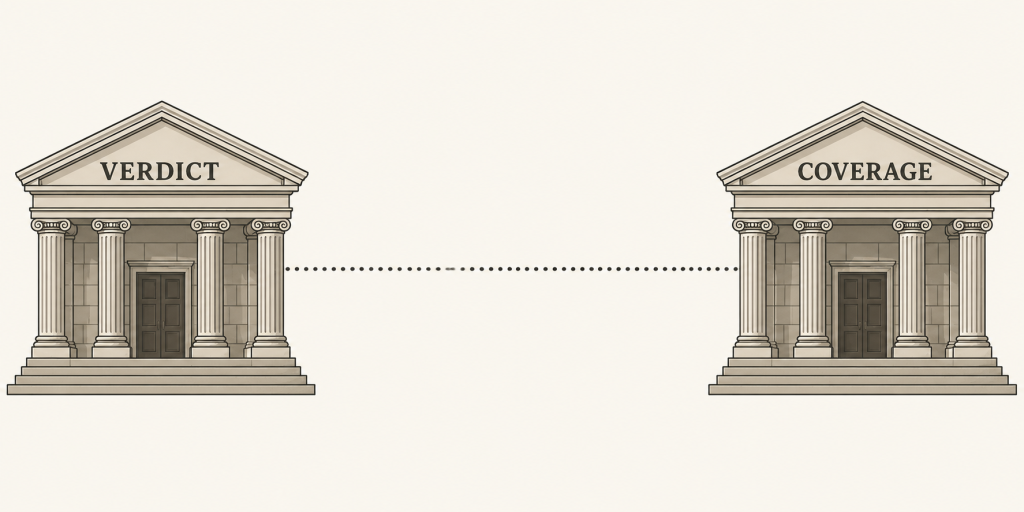
She filed an EEOC charge. She just didn’t file the right one.
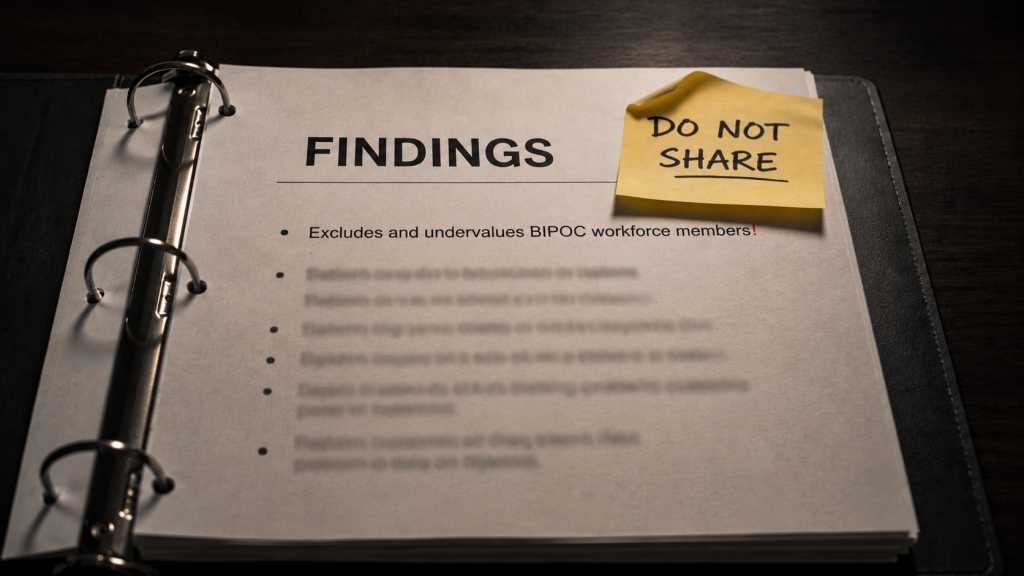
A racial slur used in 2007 was still admissible evidence at a 2024 trial. The employer’s failure to address it helped produce a $21 million verdict.

The city’s civil-service commission told it to follow its own hiring policies. It didn’t. It still won.

The court called it “repugnant and racially hostile.” It still wasn’t enough. A recent appellate decision affirming summary judgment for the employer on a hostile work environment claim is a useful reminder of how high the severe-or-pervasive bar actually is.

The bar for a hostile work environment claim is “extremely high.” A White correctional officer just found out how high.
A law firm partner apparently missed every harassment training ever offered and made a comment that belongs in a museum of worst-possible workplace decisions. The firm’s response, though, was textbook. The case got dismissed.

The $11.5 million verdict against SHRM survived. Now the court’s explanation of why offers a sharper lesson than the verdict itself.

An employee returned from his third round of FMLA leave and found a performance improvement plan waiting for him. That looks terrible. But a jury will never hear about it.

An employee complained to HR about discrimination. About two and a half months later, the employer skipped progressive discipline, gave no warning, and fired her the same day over emails. Most people would expect that case to go to a jury. It didn’t. Continue reading

One racial slur. One termination. Zero liability. The Third Circuit’s newest hostile work environment decision is a masterclass in what prompt employer action actually looks like.