Search
 The Employer Handbook Blog
Can an Ignored Accommodation Request Turn a Performance Firing Into an ADA Claim?



The employee asked for help completing his work. Months later, the unfinished work became the reason for firing him. Continue reading

The employee asked for help completing his work. Months later, the unfinished work became the reason for firing him. Continue reading

Browse the headlines about DEI-training backlash lawsuits and they usually go one way: a white employee gets offended and sues over it. This one, initiated by the EEOC, ain’t that at all.
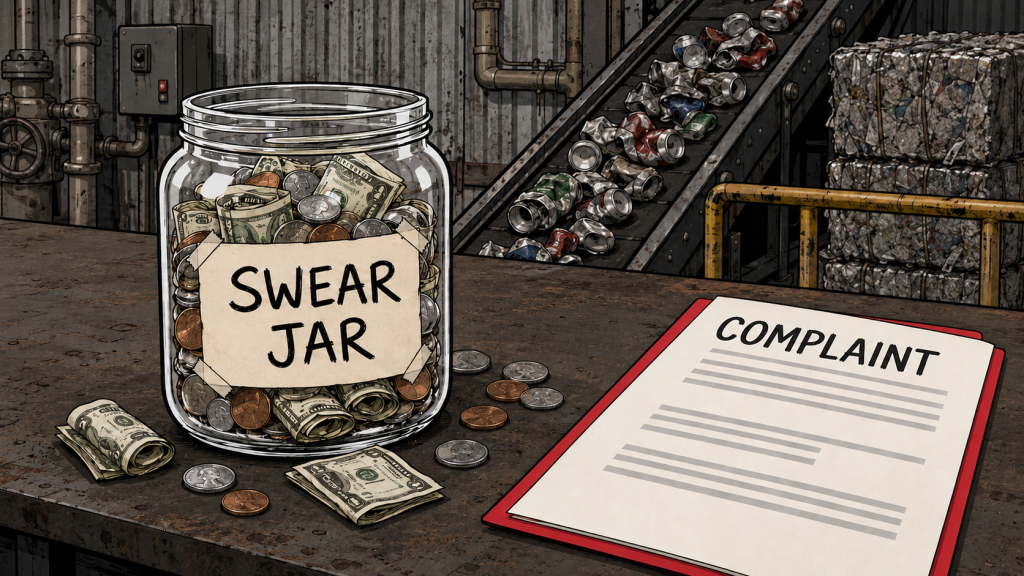
Workplace profanity was business as usual, right up until it accompanied a complaint about racism.

A judge joked about his female employee’s sexuality and kept a mug decorated with cartoon genitalia in his own courtroom. The same judge required her to burn a full day of sick leave every time she needed an hour off for a medical appointment. A federal appeals court still ruled none of it was enough to reach a jury.

A supervisor approved the employee’s hairstyle at her interview, then sent her home for wearing it on day one. A federal appeals court says the case over what happened next isn’t finished, for either side.
An employee’s attempt to end fifty years of discrimination-law precedent went nowhere on appeal. But, two of the three judges who rejected it wrote separately to say they’d take another case just to do it.
A supervisor swore in an affidavit that he had no idea an employee was disabled. His own meeting notes said otherwise, and that contradiction just cost a Texas community college its win.
One racial slur wasn’t enough to put a company on notice. A federal appeals court explained why and upheld the jury’s verdict for the employer.

An employer told the EEOC one story to get a discrimination charge dismissed as too late. It told the court a different story to win summary judgment. The judge noticed.
She reported the harassment and lost her job. Her supervisor testified that the man she reported wasn’t disciplined; he got training instead.