Search
 The Employer Handbook Blog
The FTC Continues Cracking Down on No-Hire Agreements


No-hire agreements have quietly lived in vendor and service contracts for years.
The FTC has now made clear that they are an active antitrust enforcement target. Continue reading

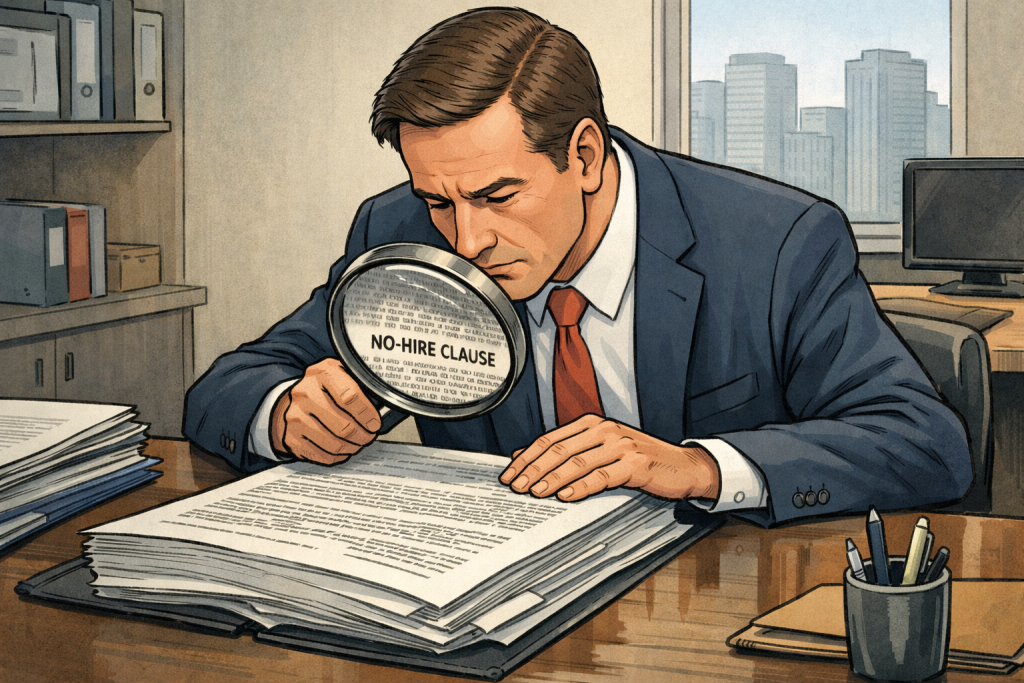
No-hire agreements have quietly lived in vendor and service contracts for years.
The FTC has now made clear that they are an active antitrust enforcement target. Continue reading
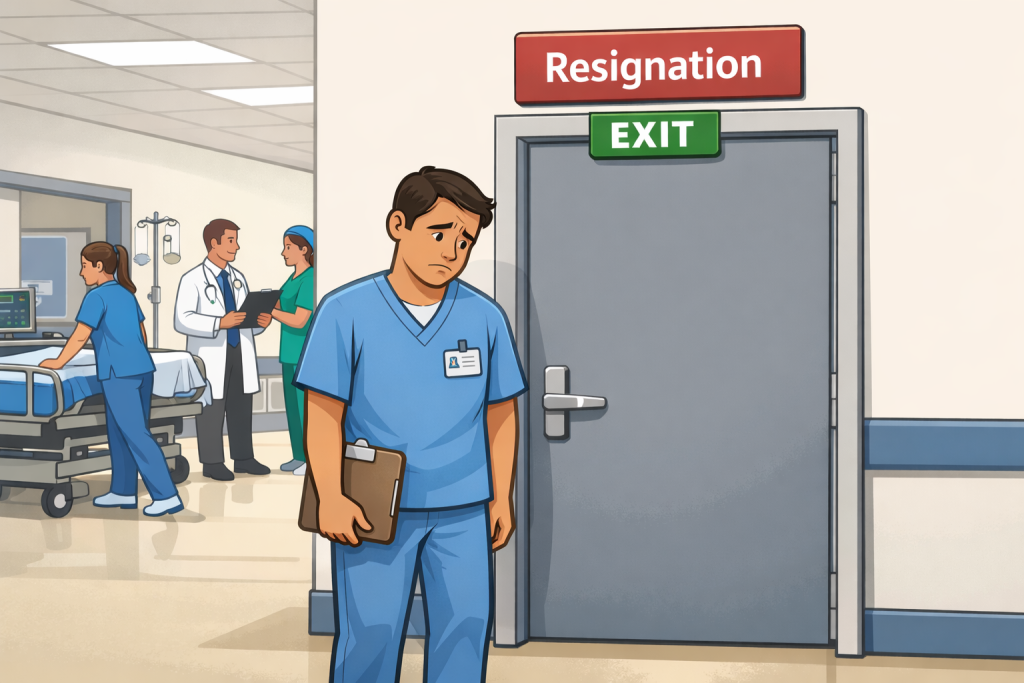
Constructive discharge is one of the most misunderstood concepts in employment law. Employees often assume that feeling sidelined, embarrassed, or treated unfairly is enough to turn a resignation into a legal claim. Courts, however, continue to apply a far stricter standard – one that looks past discomfort and focuses on whether working conditions were truly intolerable.
A recent federal court decision out of Arkansas reinforces that point. Continue reading

HR professionals do not have a crystal ball. When an employee files an EEOC charge, no employer can predict how that dispute might later be reframed in a lawsuit or expanded with new legal theories.
A recent Fourth Circuit decision recognizes that reality, while still reinforcing something practical for employers and HR teams alike: the EEOC charge plays a meaningful role in defining the case that follows. Continue reading
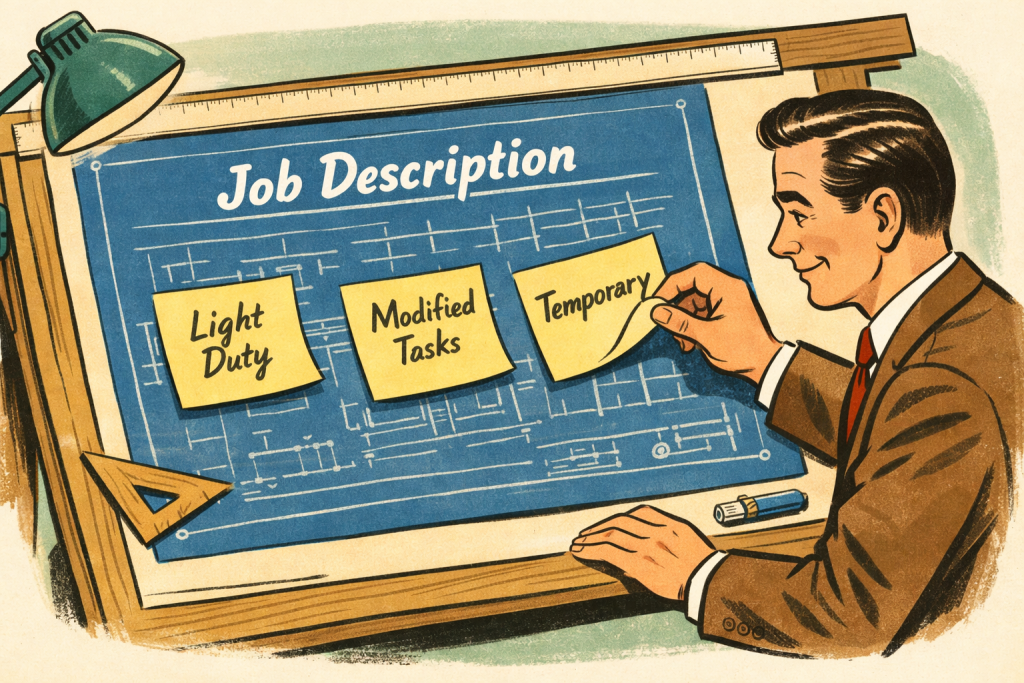
Employers often worry that a good-faith effort to keep an injured employee working will later be used against them as proof they “could have accommodated” the employee indefinitely. A recent Sixth Circuit decision draws a clear line between temporary flexibility and permanent obligation. Continue reading

Employees do not need perfect words or legal buzz phrases to trigger ADA protections. But they do need to communicate clearly enough to let an employer know they are asking for a change at work because of a medical condition.
A recent federal court decision out of Ohio shows what happens when that step never happens. Continue reading
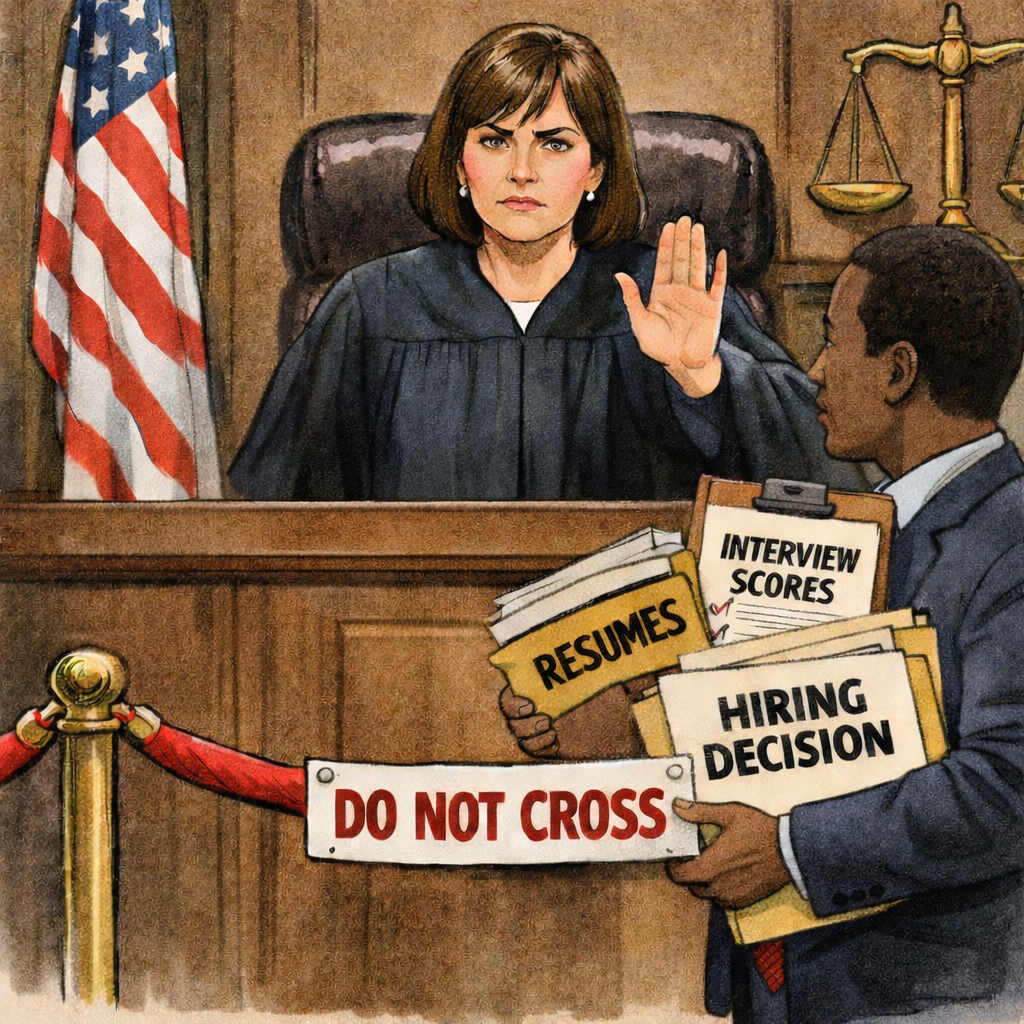
Courts see plenty of promotion disputes that boil down to one familiar complaint: I should have gotten the job.
The Fourth Circuit just explained why that argument usually is not enough. Continue reading

On January 5, 2026, the U.S. Department of Labor’s Wage and Hour Division issued six opinion letters addressing a range of FMLA and FLSA issues. This post – part three of a three-part series – covers the final two letters, both under the FLSA, and both aimed at assumptions employers sometimes make about flexibility.
One letter addresses whether mandatory pre-shift “roll-call” time can be excluded from overtime calculations based on a collective bargaining agreement. The other addresses how to apply the commissioned-employee overtime exemption when state minimum wage exceeds the federal minimum wage – and what actually counts as commissions. Continue reading
On January 5, 2026, the U.S. Department of Labor’s Wage and Hour Division issued six opinion letters addressing a range of FMLA and FLSA issues. This post – part two of a three-part series – focuses on two FLSA letters that address problems employers often assume they have already resolved.
One letter deals with exempt classifications that appear sound based on job duties but unravel because of how the employee is paid. The other addresses bonus programs that feel discretionary until overtime calculations say otherwise. Continue reading

Two different HR questions triggered two formal FMLA opinion letters this week – and both answers will feel uncomfortably familiar to the employers they affect.
On January 5, 2026, the U.S. Department of Labor’s Wage and Hour Division issued six new opinion letters in total, addressing a mix of FMLA and FLSA issues. One addresses a routine leave-administration issue faced by virtually all employers; the other zeroes in on a recurring leave-accounting problem unique to school employers. This post covers the two FMLA letters and kicks off a three-part series unpacking what employers should take from the full batch. Neither answer here is surprising. Both are easy to get wrong. Continue reading
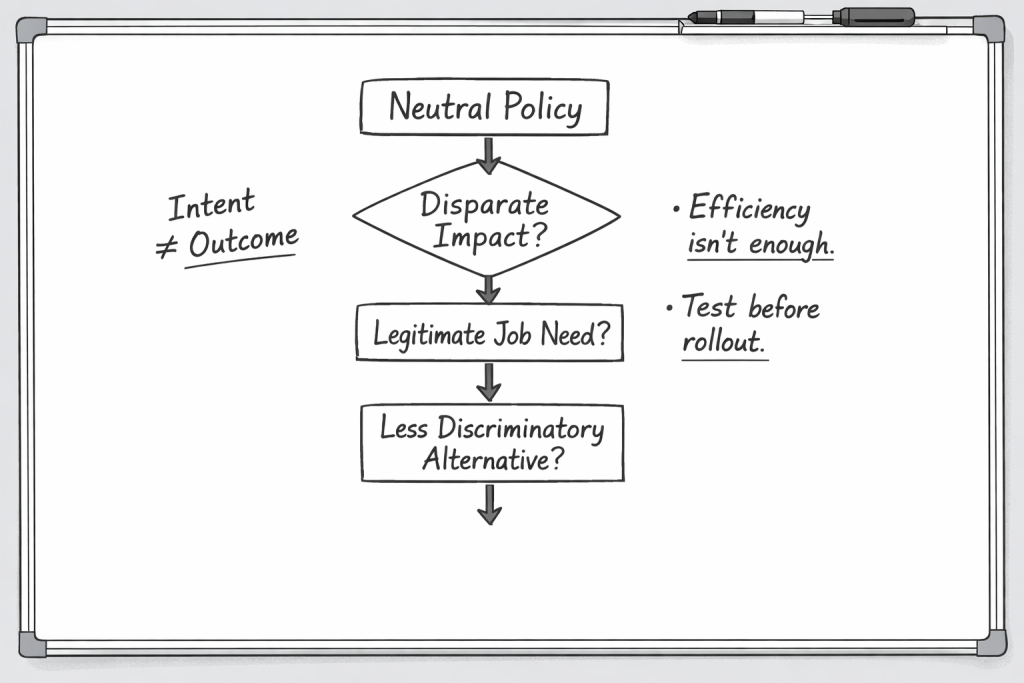
At a moment when federal agencies are actively dismantling disparate impact enforcement as a policy matter, New Jersey just went in the opposite direction – loudly, deliberately, and in writing.
Last month, the New Jersey Division on Civil Rights finalized new rules that spell out how disparate impact claims work under the New Jersey Law Against Discrimination in the employment context. These rules do not create new liability. What they do is remove any remaining ambiguity about how neutral workplace policies will be judged under state law. Continue reading