Articles Posted in Sex

ChatGPT-Image-May-1-2025-08_56_58-PM-683x1024

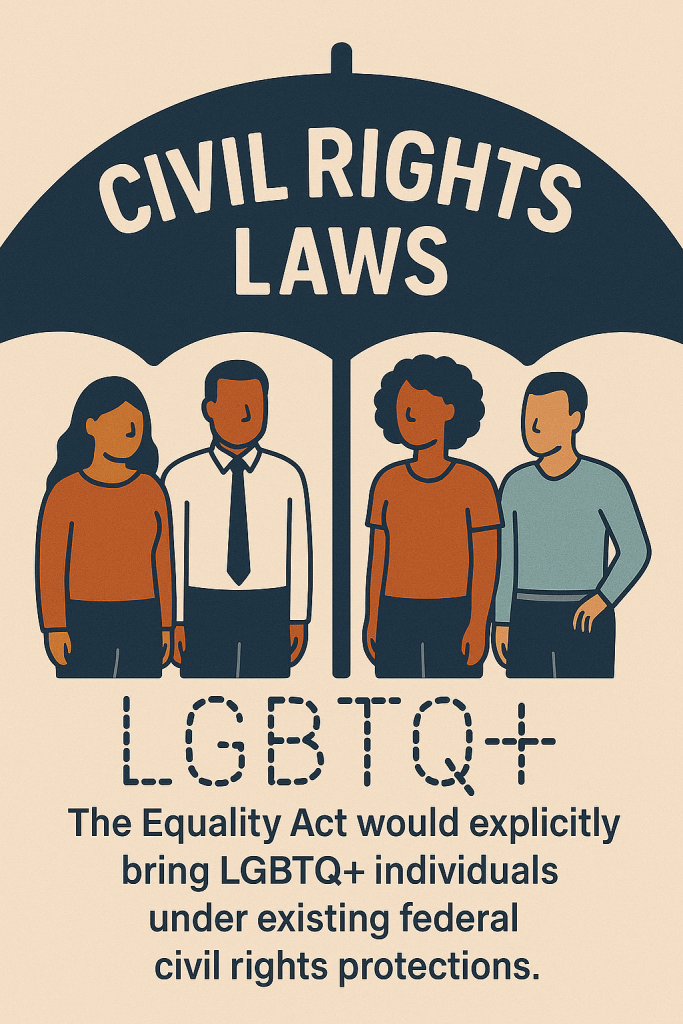
This week, lawmakers in both the House and Senate reintroduced the Equality Act, a bill that would explicitly prohibit discrimination based on sexual orientation and gender identity across numerous areas of federal law.

Although the bill has strong Democratic support, it lacks bipartisan backing—and given the political composition of Congress and the current administration’s stance, it is unlikely to become law during this session. Still, its reintroduction offers employers a timely opportunity to review existing policies and ensure compliance with current law. Continue reading

ChatGPT-Image-Apr-14-2025-07_41_51-PM-683x1024

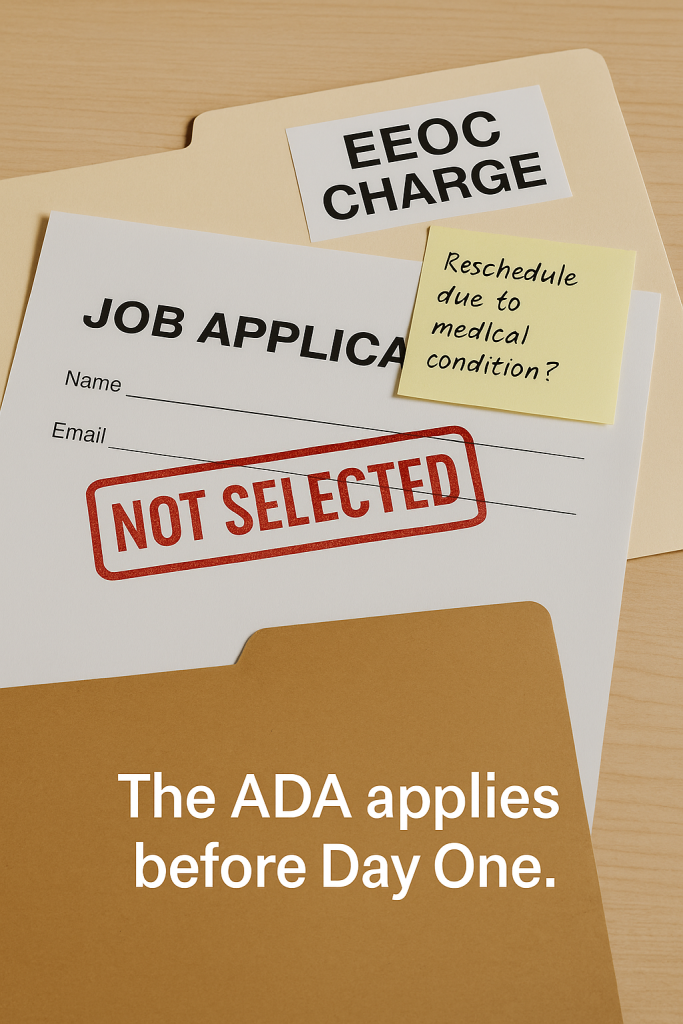
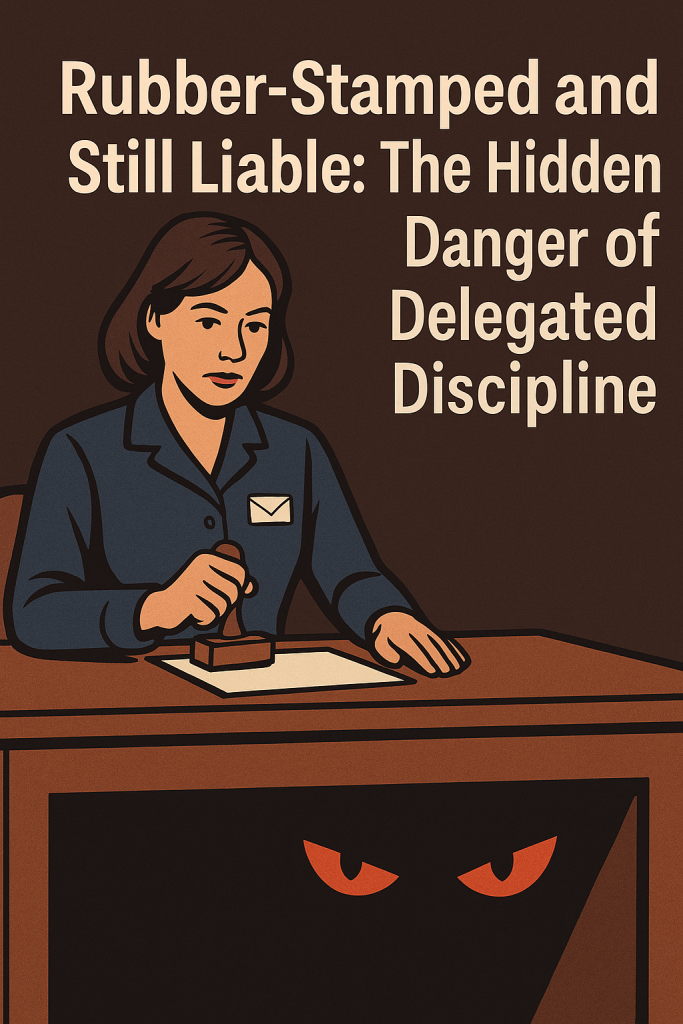
Some employers think they’ve found a silver bullet: delegate the tough call to someone else and—boom—problem solved, liability dodged. But as the Ninth Circuit recently reminded us, an “independent” reviewer isn’t a shield if they’re just channeling someone else’s bias. Continue reading

noun-podcast-7283198-1024x1024

Employers striving to enhance diversity, equity, and inclusion (DEI) have faced stiff headwinds recently from the federal government. The EEOC’s latest release, “What You Should Know About DEI-Related Discrimination at Work,” is more about what employers can’t do than what they can to promote DEI.

Underscoring the importance of caution, the EEOC has reminded employers that race, sex, or ethnicity-based preferences in DEI programs risk violating anti-discrimination laws. These announcements specifically warn against quotas, explicit racial or gender preferences, and any programs that could create perceived or real discriminatory outcomes.

The guidance aims to “help employers take action to avoid unlawful DEI-related discrimination,” noted EEOC Acting Chair Andrea Lucas.

But are there lawful actions employers can take to promote diversity, equity, and inclusion principles?

Yes. Ms. Lucas herself provided eleven solutions last year on an episode of Cozen O’Connor’s Employment Law Now podcast, hosted by Michael Schmidt. You can listen to them starting at 31:33 in the recording. Additionally, I’ve summarized them below. Continue reading

And Kendrick Lamar and Drake may co-host a TED Talk on conflict resolution, the Dallas Cowboys may win the Super Bowl next year, and a job applicant may answer the “What’s your biggest weakness?” question honestly.

Let’s talk about why training on diversity, equity, and inclusion (DEI) is unlikely to lead to a viable hostile work environment claim. Continue reading

noun-waiting-5324021-1024x1024

For several weeks, employment law and HR professionals have been hearing about the term “illegal DEI.” But what did “illegal DEI” actually mean—especially to the U.S. Equal Employment Opportunity Commission (EEOC), the federal discrimination watchdog? Until recently, that was anyone’s guess. Continue reading

noun-gavel-103096-1024x1024

Despite two deciding judges expressing support for DEI, the Fourth Circuit unanimously ruled on Friday that two Executive Orders issued by President Trump, which seek to eliminate diversity, equity, and inclusion (DEI) initiatives from federal grant and contract processes, will remain in effect while legal challenges proceed. The Executive Orders claim that DEI programs promote race- and sex-based preferences that contradict American values of merit and hard work. Continue reading

noun-security-7629746-1024x1024

Recently, the U.S. Equal Employment Opportunity Commission has garnered headlines (and blog posts) over a shift in enforcement priorities to issues such as “anti-American” bias in hiring and defending women’s rights to single-sex spaces, such as bathrooms and locker rooms, in the workplace. To say these were previously on the backburner would be an understatement, unless the stove had ten or so rows of burners.

But, don’t get it twisted. Continue reading

noun-job-posting-6287878-1024x1024

Diversity, equity, and inclusion—better known as DEI—has been a hot topic lately. While DEI itself isn’t inherently illegal, critics have latched onto the idea of so-called “illegal DEI.” What exactly does that mean? Unclear. But a recent federal court case involving a law student who said she was discouraged from applying for a summer internship because of diversity-focused hiring criteria was giving me “illegal DEI” vibes.

The catch? Even if everything she claimed was true, the court never actually ruled on whether the hiring policy was legal or not. Here’s why.

The Lawsuit That Never Got Off the Ground

noun-supreme-court-149365
Yesterday, the Supreme Court heard oral argument in Ames v. Ohio Department of Youth Services, a case where a heterosexual employee claimed her employer discriminated against her in violation of Title VII of the Civil Rights Act of 1964.

The key legal question isn’t whether she has a claim but whether plaintiffs in the so-called “majority” must clear an additional hurdle—proving “background circumstances” that show their employer is an unusual one that discriminates against the majority.

I don’t have a crystal ball, but maybe artificial intelligence does. I uploaded the oral argument transcript and asked three separate AI assistants (Harvey.AI, ChatGPT, and Microsoft Copilot) to predict how each justice will rule and why. All three foresee a unanimous decision to scrap the “background circumstances” test. Here’s why:

noun-transgender-3765678-1024x1024

On Saturday, the Associated Press reported that the Equal Employment Opportunity Commission (EEOC) moved to drop several lawsuits related to gender identity discrimination. Let’s examine what caused this change in direction and the implications for employers. Continue reading

“Doing What’s Right – Not Just What’s Legal”
Contact Information