Articles Posted in Retaliation

ChatGPT-Image-Mar-7-2026-04_07_13-PM

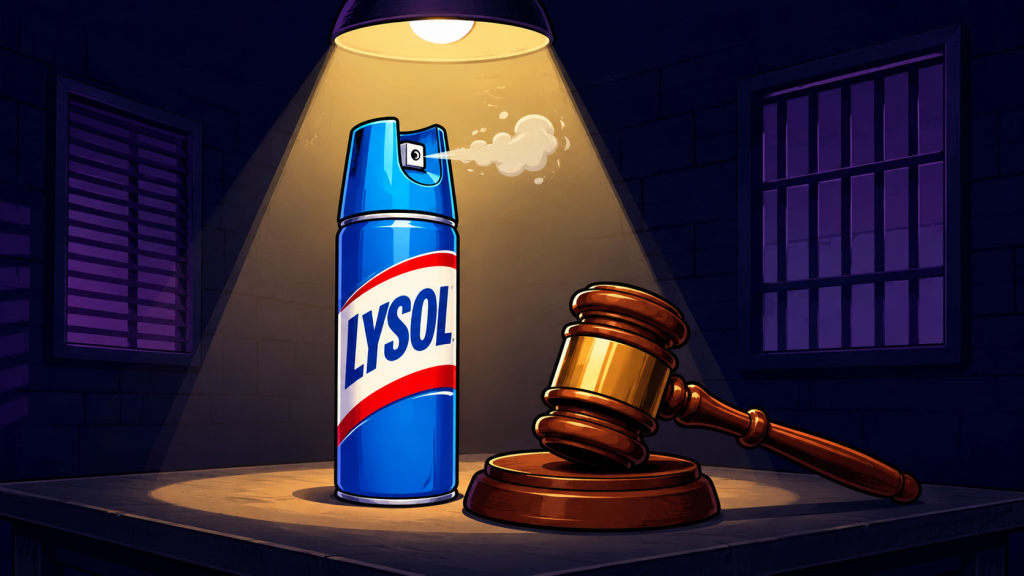
That escalated quickly.

A university fired its HR director and asked him to return his work laptop. He refused for months. Campus police eventually obtained a felony arrest warrant. When the former employee finally showed up with the laptop, officers arrested him. He then sued for retaliation. Continue reading


ChatGPT-Image-Feb-1-2026-06_01_10-PM-683x1024

Me? I probably would not tell the EEOC that I removed a Black employee from work because of her “introduction of race” into the workplace. Especially after she complained about race discrimination triggered by a question about attending a Black Lives Matter protest.

But that is exactly what happened here.

And it is exactly why the employer lost on retaliation at summary judgment. Continue reading


ChatGPT-Image-Jan-10-2026-04_56_49-PM-1024x683

HR professionals do not have a crystal ball. When an employee files an EEOC charge, no employer can predict how that dispute might later be reframed in a lawsuit or expanded with new legal theories.

A recent Fourth Circuit decision recognizes that reality, while still reinforcing something practical for employers and HR teams alike: the EEOC charge plays a meaningful role in defining the case that follows. Continue reading


ChatGPT-Image-Dec-20-2025-08_39_40-AM-1024x683

Sometimes retaliation isn’t loud. There’s no demotion, no firing, no pay cut. It shows up quietly instead – more work than everyone else gets, repeated just often enough to send a message.

That kind of retaliation can be harder to spot, but as a recent decision out of the District of Columbia shows, it can still land an employer in serious trouble. Continue reading

ChatGPT-Image-Dec-13-2025-12_06_25-PM-1024x683
Employers often assume that launching an investigation is a safe harbor.

The Tenth Circuit just delivered a reminder that when decisionmakers rely on a flawed investigation, the process can matter as much as the decision itself.


TL;DR: The Tenth Circuit revived two Title VII retaliation claims after a physician reported alleged sexual harassment by another doctor and was later terminated and reported to a state licensing board. Although an investigation alone is rarely actionable retaliation, the court held a jury could find that a one-sided internal investigation – including skipped interviews, selective fact-gathering, and uncritical reliance by senior decisionmakers – supplied the retaliatory animus and causation for materially adverse actions under a cat’s paw theory.

“Doing What’s Right – Not Just What’s Legal”
Contact Information