Search
 The Employer Handbook Blog
Three Employees Refused the Same Drug Test. Only the White Employee Got His Job Back.


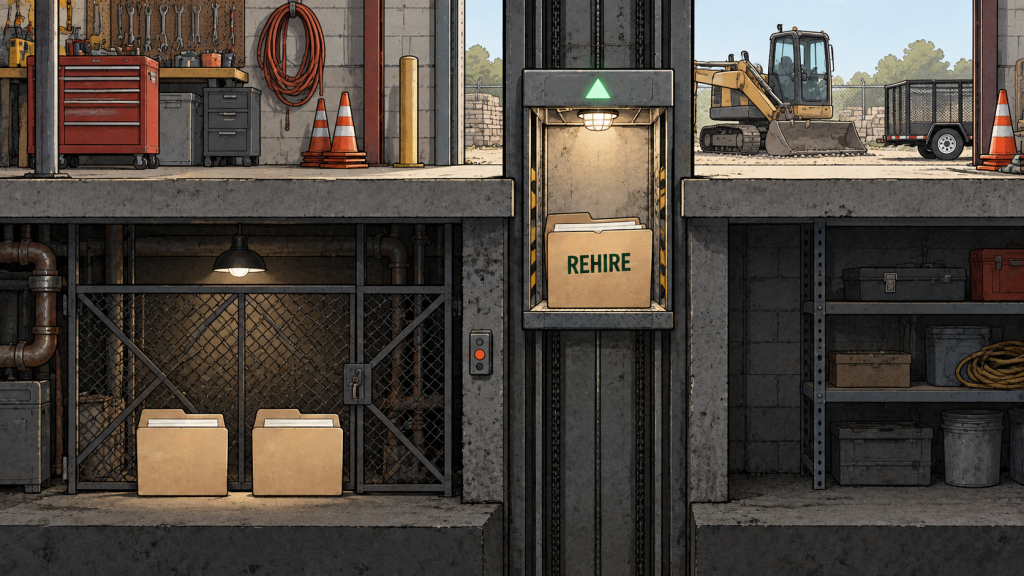
Management enforced its drug-testing rule. The exceptions it made afterward created the bigger problem.

Management enforced its drug-testing rule. The exceptions it made afterward created the bigger problem.

The company had an anti-harassment policy, trained its employee-relations manager to investigate complaints, and opened one. Then it assigned the accused supervisor to counsel the employee who complained about him.
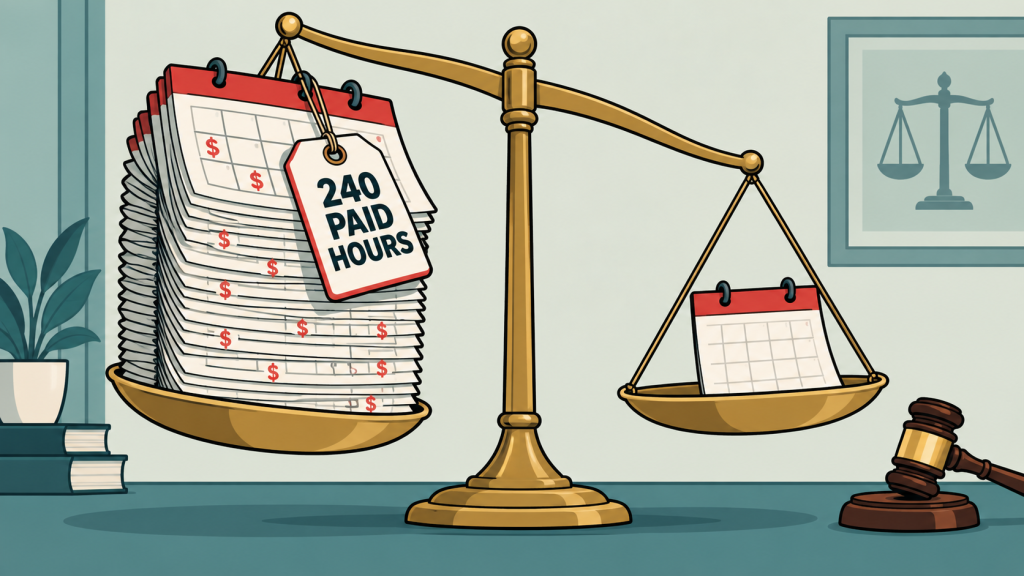
An accommodation does not become unreasonable merely because the employee would rather save it for vacations and family emergencies.
TL;DR: A federal employee experiencing depression and cardiac arrhythmia requested unpaid leave, a lateral transfer, or other help. Her employer offered flexible use of approximately 240 hours of accrued paid leave and, when no comparable position was available, a lower-level job. The Eleventh Circuit affirmed summary judgment for the employer because the employee received reasonable options, even if they were not the ones she preferred.
A 25-minute meeting in Spanish allegedly became a two-sentence summary in English. That may be a workplace communication problem, but this court did not see race or national-origin discrimination.

The employer approved light duty. Seventeen days later, it fired the pregnant employee over an alleged policy violation from two months earlier.
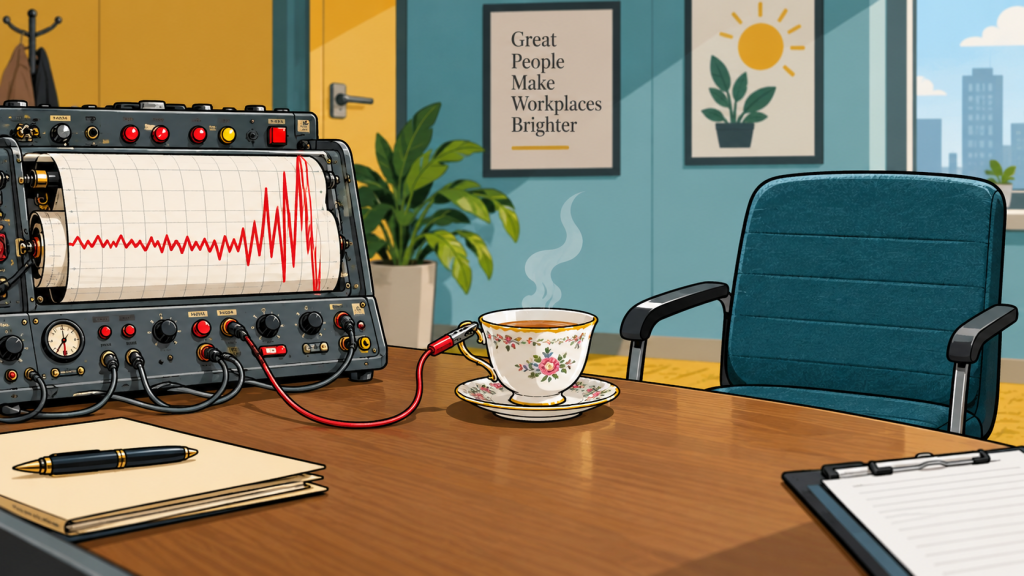
A job applicant told a polygraph examiner that she consumed ayahuasca as part of her religion. An agency adjudicator labeled it “recent illegal drug use,” and the tentative job offer disappeared.
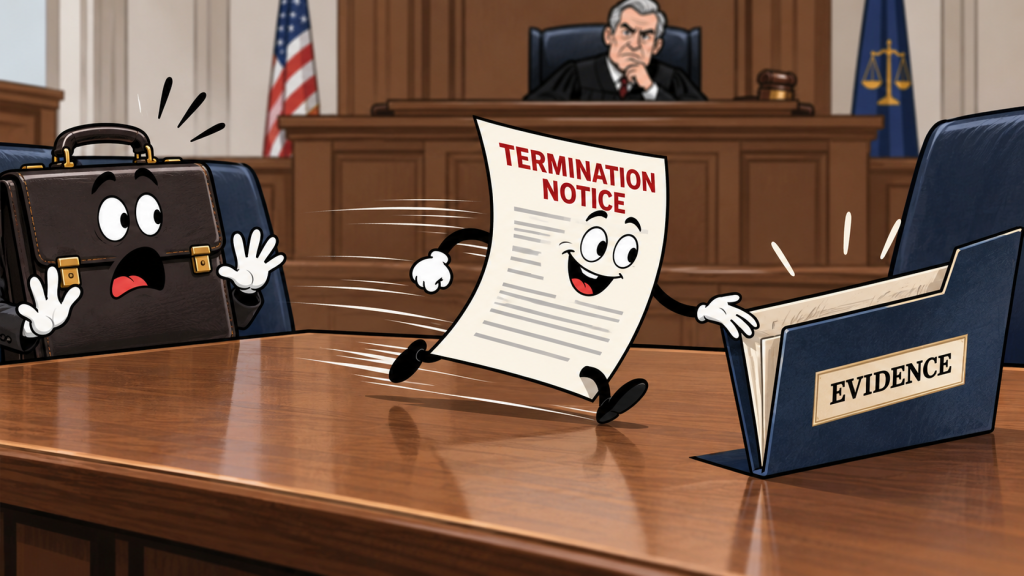
The employer thought it had caught an employee lying in an EEOC charge. Then it put that conclusion in the termination notice.
That second decision cost considerably more than the first. Continue reading
Lizzo’s touring company swept every remaining claim from a former wardrobe assistant’s lawsuit off the stage. The celebrity headline masks an evidence lesson.
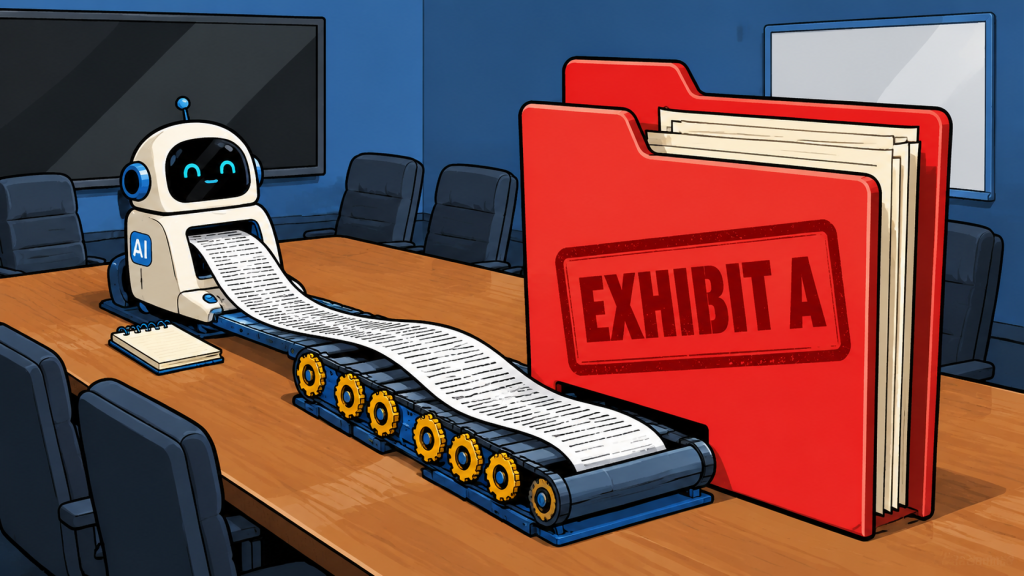
The employee left the termination call. Unfortunately for the company, its AI note-taker apparently did not. And it allegedly emailed her what the company representatives said next.

An arbitration agreement usually decides where an employment dispute will be heard. In this case, evidence uncovered during arbitration opened the door to court instead.