Articles Posted in Retaliation


ChatGPT-Image-Dec-20-2025-08_39_40-AM-1024x683

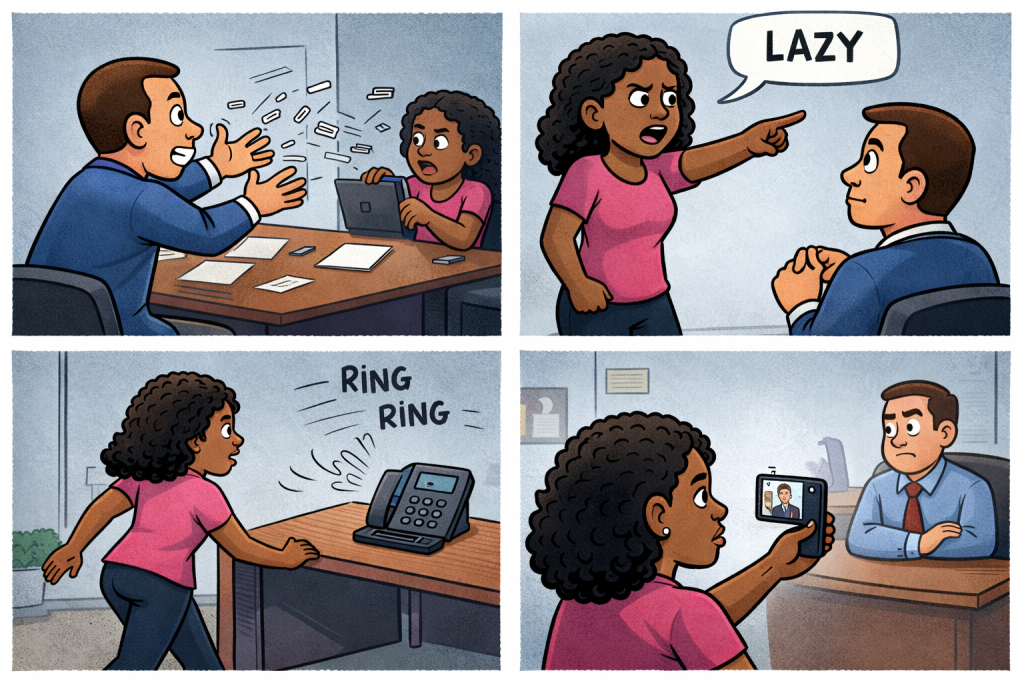
Sometimes retaliation isn’t loud. There’s no demotion, no firing, no pay cut. It shows up quietly instead – more work than everyone else gets, repeated just often enough to send a message.

That kind of retaliation can be harder to spot, but as a recent decision out of the District of Columbia shows, it can still land an employer in serious trouble. Continue reading

ChatGPT-Image-Dec-13-2025-12_06_25-PM-1024x683
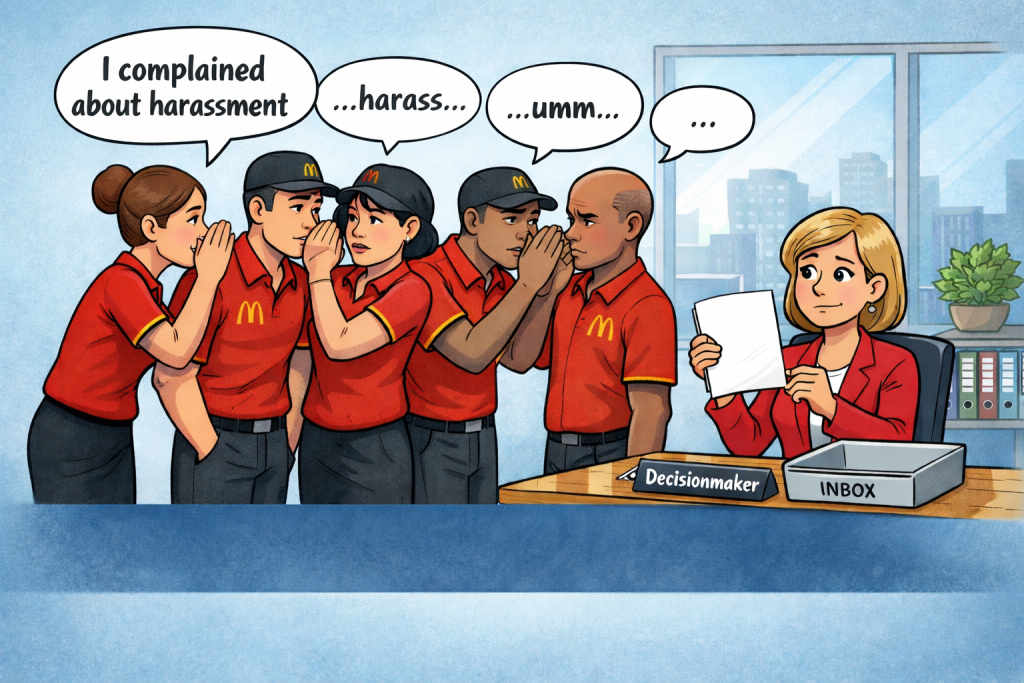
Employers often assume that launching an investigation is a safe harbor.

The Tenth Circuit just delivered a reminder that when decisionmakers rely on a flawed investigation, the process can matter as much as the decision itself.


TL;DR: The Tenth Circuit revived two Title VII retaliation claims after a physician reported alleged sexual harassment by another doctor and was later terminated and reported to a state licensing board. Although an investigation alone is rarely actionable retaliation, the court held a jury could find that a one-sided internal investigation – including skipped interviews, selective fact-gathering, and uncritical reliance by senior decisionmakers – supplied the retaliatory animus and causation for materially adverse actions under a cat’s paw theory.


ChatGPT-Image-Dec-6-2025-11_24_43-AM

Sometimes the biggest workplace stories are the ones that hit closest to home for HR professionals. A recent jury verdict involving the Society for Human Resource Management (SHRM) is one of those moments, not because of who the defendant was, but because the issues are ones every employer faces. Continue reading


ChatGPT-Image-Nov-15-2025-08_50_53-PM

Some lawsuits keep you guessing. This one did not. When a court reviews missed deadlines, clear directives, and an internal investigation confirming the same issues, the outcome writes itself.

And as the Fourth Circuit reminded everyone, reporting discrimination does not make documented performance problems disappear. Continue reading

ChatGPT-Image-Nov-15-2025-06_22_29-PM

Some workplace retaliation theories sound plausible at first glance. But Title VII’s protections are far narrower than many employees assume. A recent Eleventh Circuit decision digs into a niche but important point: whether a criminal subpoena can qualify as Title VII “participation.”

This is part one of two. Tomorrow, we look at the court’s take on whether two unwanted physical encounters created a hostile work environment. Continue reading

ChatGPT-Image-Nov-9-2025-08_44_05-PM

A discrimination complaint can be genuine without being legally protected.
An employee learned that the hard way when her retaliation claim flatlined before it even got to trial.

A magistrate judge in a federal court recently reminded employers that even a sincere complaint has to be objectively reasonable before it triggers retaliation protection under Title VII. Continue reading

ChatGPT-Image-Oct-28-2025-10_59_29-PM-1024x683

The Supreme Court recently made it easier for employees to prove discrimination, lowering the bar from “serious harm” to “some harm.” That change came from a 2024 sex discrimination case, but its reasoning can influence other Title VII claims too. A new decision from the federal court in the Eastern District of Pennsylvania shows that even when courts apply that softer standard to quid pro quo harassment claims, retaliation still requires a higher level of proof, and neither test was met here. Continue reading

“Doing What’s Right – Not Just What’s Legal”
Contact Information