Search
 The Employer Handbook Blog

She Complained to the CEO About Racism. Her Email Helped the Company Defend Her Firing.


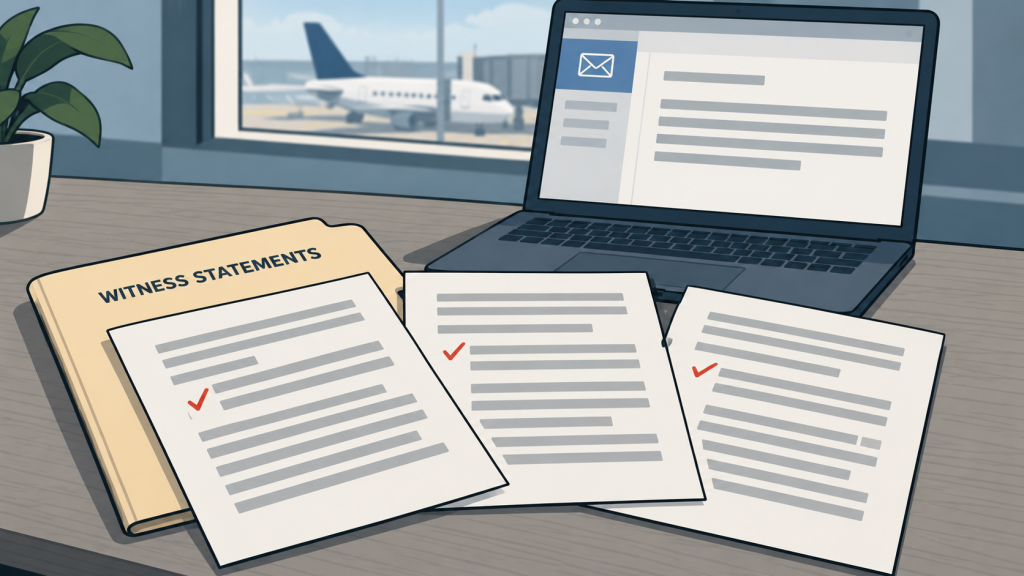
She emailed the CEO to explain that she had confronted a coworker about racism. The company read that email as confirmation that she’d lied to HR about the confrontation.
The Eleventh Circuit found that reading reasonable. Here’s how a complaint about discrimination became part of the employer’s defense.
TL;DR: The Eleventh Circuit upheld an airline’s win on an employee’s race discrimination and retaliation claims. Three witnesses contradicted her account of a workplace dispute, and the company reasonably interpreted her later email as supporting its conclusion that she had lied. The short gap between her complaint and firing didn’t overcome the evidence supporting the company’s stated reason.
It started with a breakroom computer
A Black customer service employee wanted to use a computer occupied by a white coworker. The coworker refused to share. According to the coworker, the employee called her a racist, prompting her to leave. The employee denied making that remark during the dispute.
When HR investigated, the employee acknowledged calling the coworker racist on earlier occasions because of racist remarks. One alleged example: The coworker and her sister said they caught a cold because they had hugged a Black person. The employee said she hadn’t previously reported those remarks because she considered them jokes and preferred to keep the peace.
In a written statement, she also raised concerns about racial tension and supervisors’ handling of incidents. Meanwhile, HR obtained written statements from three witnesses who backed the coworker’s account of the computer dispute. HR suspended the employee for dishonesty pending further investigation.
Five hours later, she emailed the CEO
The email described workplace racism and said: “I recently addressed a co worker about their racist comments and then I was placed on suspension pending investigation.”
The CEO didn’t respond. Nine days later, the company fired her for lying during the investigation.
But didn’t she already admit confronting the coworker on other occasions? Yes. Her email didn’t expressly say which exchange she meant. The company nevertheless read it as confirming the confrontation she had denied, consistent with the three witnesses’ accounts.
She sued under Section 1981, arguing that the company discriminated and retaliated against her. She also challenged HR’s thorough investigation of the white coworker’s complaint compared with its handling of her racism concerns.
The court accepted the employer’s reading of the evidence
The employee challenged the witnesses’ lack of precise details. But all three agreed on the central event: She called the coworker a racist, and the coworker left. The appeals court found nothing suspicious about HR believing those accounts over her denial.
It also found the company’s interpretation of her email reasonable. The question wasn’t whether the email amounted to an unmistakable confession. It was whether the evidence supported her claim that the company’s dishonesty explanation concealed discrimination or retaliation.
The short gap between the CEO complaint and termination didn’t overcome the evidence supporting that explanation. The court upheld judgment for the company on both claims.
Three things to sort out before making the next call
A dishonesty finding needs evidence
Identify exactly what you believe was false and why. Here, three witnesses contradicted the employee’s denial, and her email provided additional support. An unproven discrimination complaint doesn’t automatically become a dishonest one.
The investigation timeline needs to be clear
Record when HR received statements, learned new information, and made disciplinary decisions. Here, the investigation and suspension preceded the CEO email, although the employee had raised racism concerns earlier during the investigation.
The racism complaint deserves its own attention
The employee’s email went unanswered. The company won, but silence still isn’t a practice I’d recommend. Assess the discrimination concerns while separately deciding whether the evidence supports discipline.
Her email raised discrimination concerns that deserved attention. It also gave the company evidence it could use to defend the firing.