Search
If Prayer Isn’t Enough to Support a Religious Exemption Request, What Is?

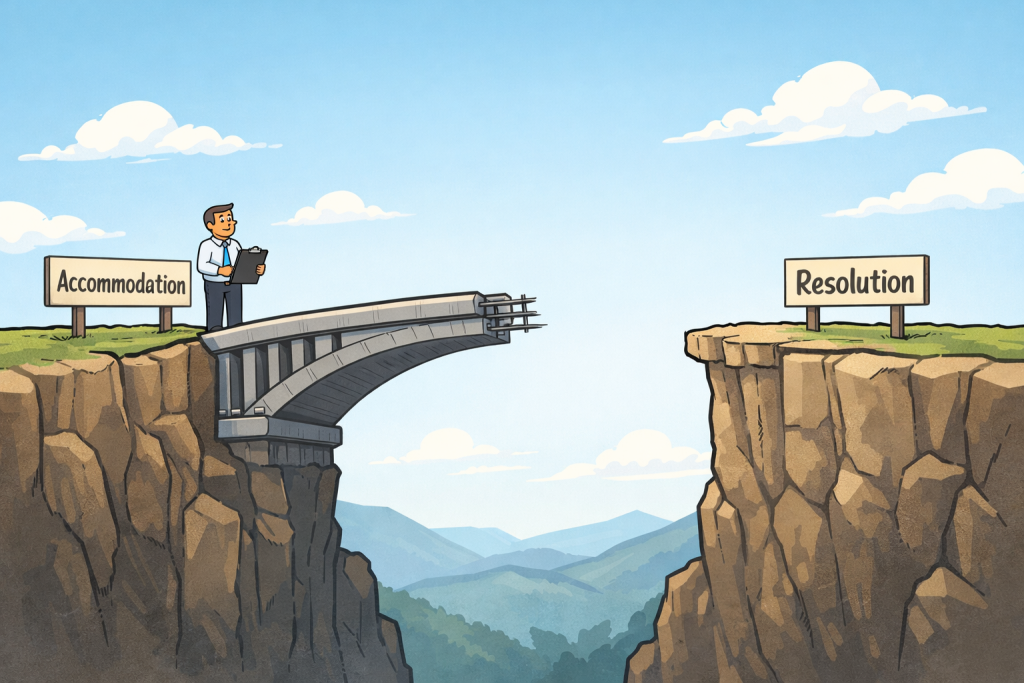
When does a religious exemption request stop being religious? A federal appeals court just answered that question in a way that eight of its own judges found alarming.

When does a religious exemption request stop being religious? A federal appeals court just answered that question in a way that eight of its own judges found alarming.

An engineer got fired for making offensive comments about his non-Christian co-workers, then sued for religious discrimination. There was just one problem: he wouldn’t show anyone the EEOC charge he filed.

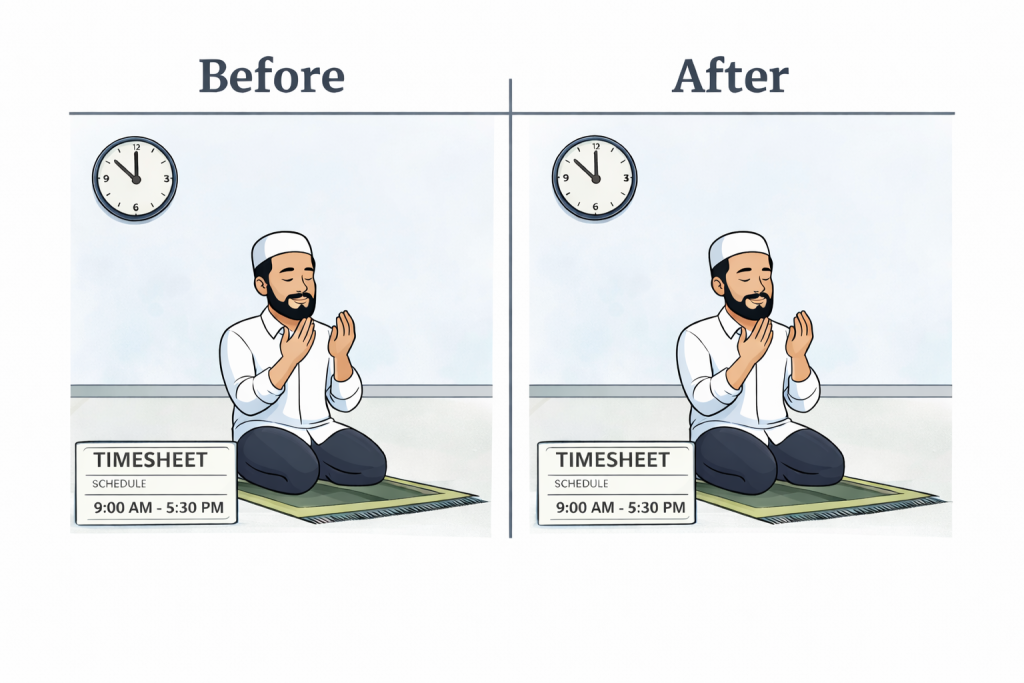
A weekend schedule change. A Sunday church conflict. And apparently no one at the company thought to have a conversation about it. Continue reading

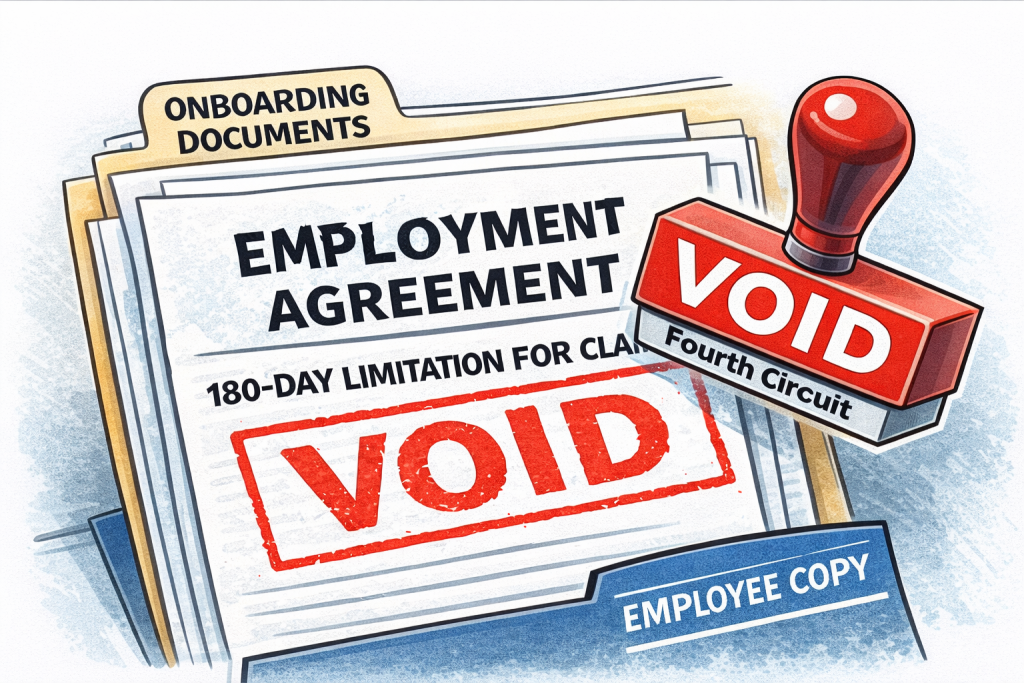
Some employers try. The Fourth Circuit just explained why that trick doesn’t work for these federal discrimination claims. Continue reading

COVID vaccination mandates may be behind us, but the lawsuits they generated are still shaping how courts analyze religious accommodation under Title VII. This Third Circuit decision is a reminder that an accommodation can still be challenged when it allegedly creates a new burden. Continue reading

Not every denied accommodation becomes a viable lawsuit. Courts are still asking a simple threshold question before a discrimination case goes anywhere. Continue reading

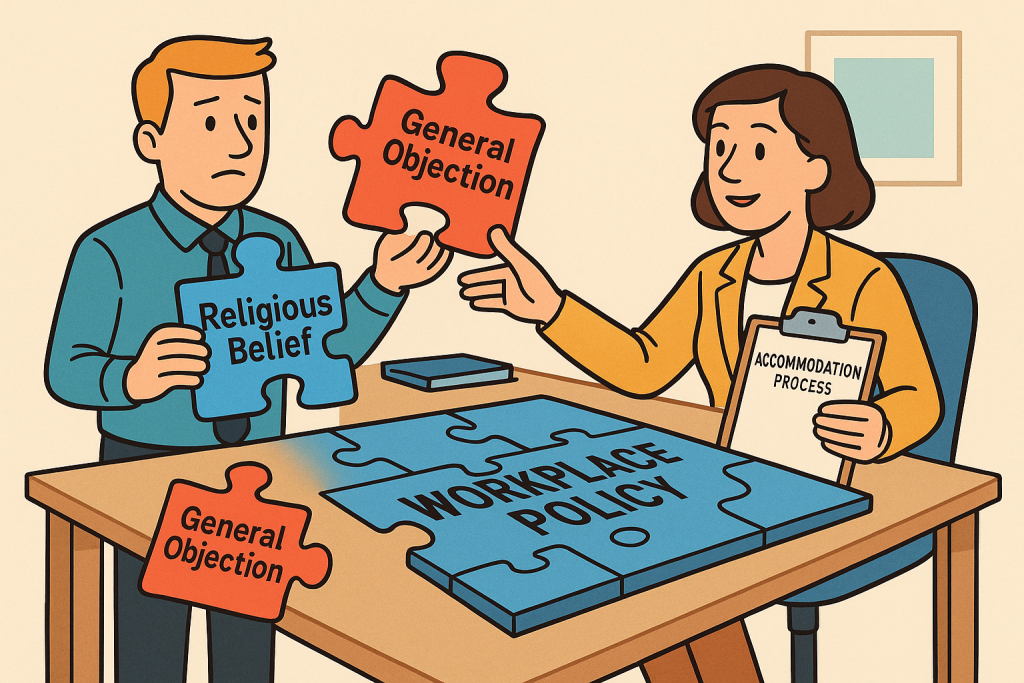
Some accommodation requests are straightforward. Others arrive wrapped in spiritual language but turn out to be personal views, broad objections, or political frustrations. A recent federal decision breaks down the elements courts look for in separating religious beliefs from non-religious objections. Continue reading

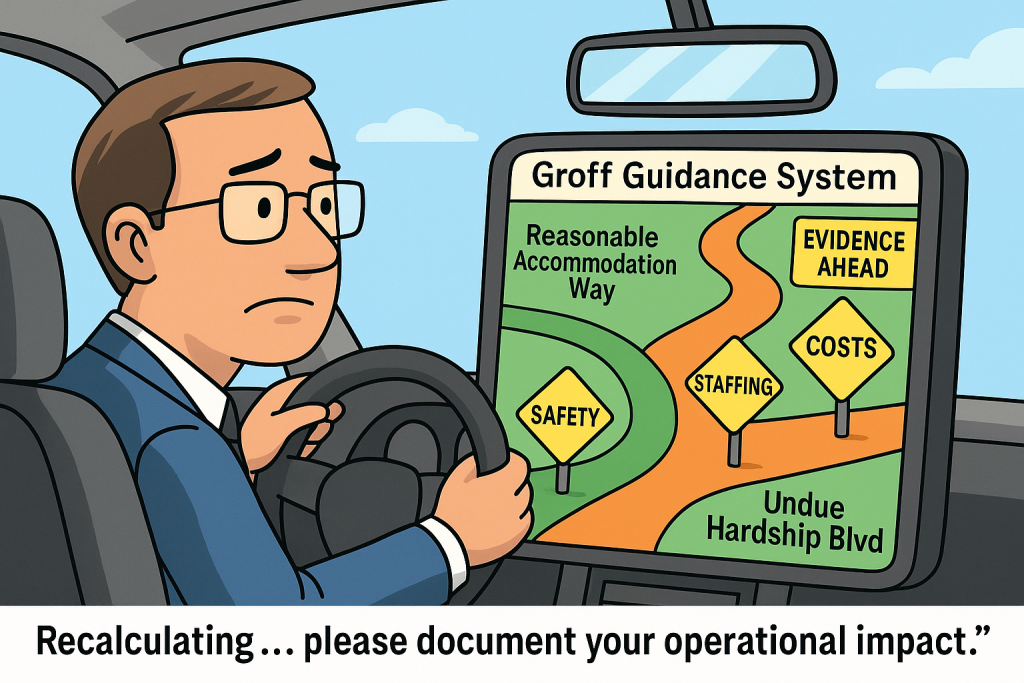
A new Fourth Circuit decision applying the Supreme Court’s Groff v. DeJoy standard shows that “undue hardship” still has teeth. The court sided with an employer that denied a religious exemption from its COVID-19 vaccine policy, but its reasoning stretches far beyond vaccines or healthcare. Continue reading

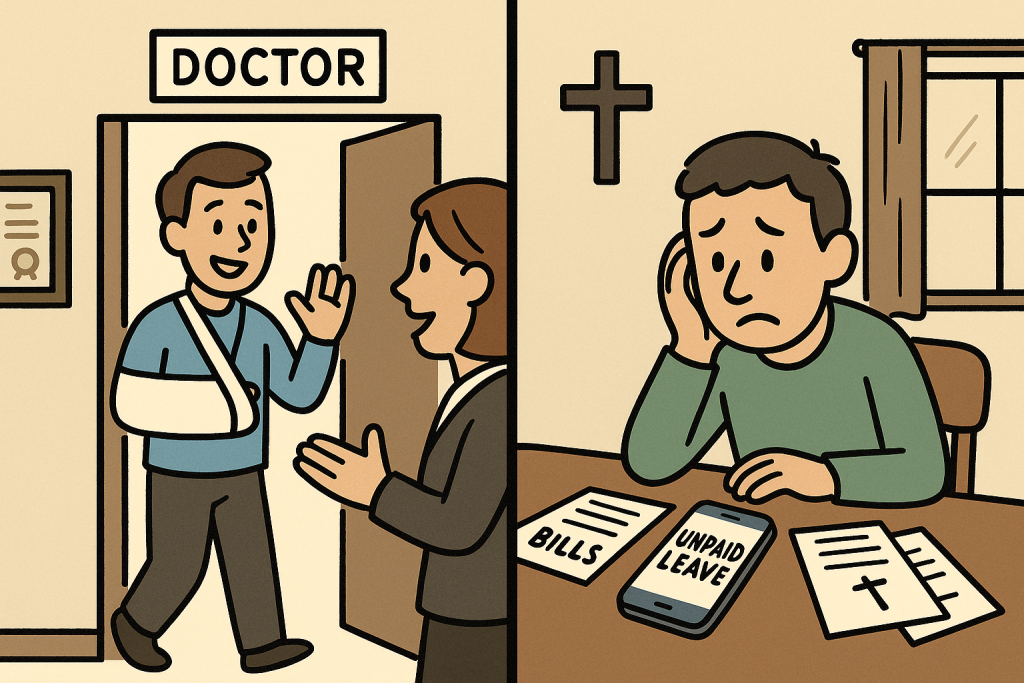
The same unpaid leave that protects an employer in one case can create liability in another. Continue reading

When an employee voluntarily resigns to work somewhere else, it may feel like fallout from a workplace conflict. But under Title VII, it isn’t punishment or “discipline.” Continue reading