Search
 The Employer Handbook Blog
When an Employee’s Online Religious Speech Goes Viral: Can You Fire Them?


A jail administrator posted apocalyptic religious commentary online. A reporter found it, published a story, and suddenly the county faced community outrage and questions from federal officials about whether they would continue housing inmates at the jail. The county fired the administrator. The employee sued under Title VII.
The Eighth Circuit just said: not so fast.
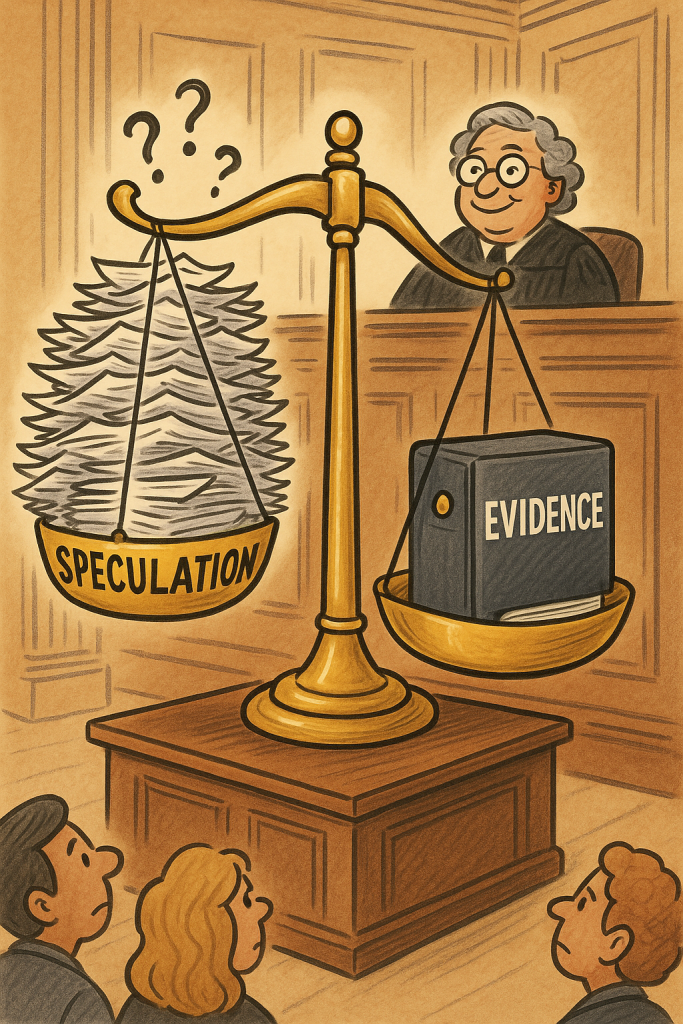
TL;DR: The Eighth Circuit reversed summary judgment for the employer, holding the county did not provide sufficient record evidence of undue hardship under Groff v. DeJoy (2023) at the summary-judgment stage. Reputational harm and threatened contract losses were too speculative on this record.
The Jail Administrator’s Online “Treatise” and Fallout
The employee worked as a jail administrator for about a decade. In 2013, the employee published a lengthy religious “treatise” online and later posted videos describing end-times beliefs.
Among other things, the employee wrote that:
-
Muslims are pawns of the devil.
-
Muslims are being influenced to kill and eradicate Christians and Jews.
-
A coming world war would kill a third of humanity.
-
The gay lifestyle is an abomination that harms the nation.
-
People need to prepare for both spiritual and physical war.
A local newspaper highlighted these writings in 2020, sparking concern from a community member, local officials, and federal authorities that contracted with the jail to house overflow detainees. The county placed the administrator on administrative leave and then terminated employment on May 1, 2020, citing good order and discipline and a loss of credibility in a management role.
The employee sued, alleging religious discrimination under Title VII.
The Law: Groff Raises the Bar on “Undue Hardship”
Title VII prohibits firing an employee because of religion. Employers must accommodate religious beliefs and practices unless doing so would cause “undue hardship.”
In Groff v. DeJoy (2023), the Supreme Court held that undue hardship means substantial increased costs in relation to an employer’s business—a significantly higher standard than the old “de minimis” threshold and requiring a fact-specific analysis.
What the Eighth Circuit Said
The district court sided with the county, finding reputational harm and risk of losing contracts with outside agencies met the undue hardship threshold.
The Eighth Circuit disagreed and reversed:
-
Reputation: The court assumed (without deciding) public-image effects could constitute undue hardship. But the evidence was minimal—just one citizen email, a few public-official statements, and news coverage of unclear impact. That did not amount to proof of real reputational harm.
-
Contracts: Federal and local contracting agencies suggested they might pull overflow agreements, but that was speculative. The employee’s “millions” estimate was vague and not tied specifically to those contracts. And in April 2020, the jail held only four overflow detainees from that county out of a 255-bed capacity.
Bottom line: there are genuine fact questions that require a jury’s attention, not suitable for summary judgment.
Employer Takeaways
-
Speculation is not enough: After Groff, employers need concrete evidence of substantial costs or disruption to claim undue hardship.
-
Off-duty speech is tricky: Employers may face pressure when employees’ personal speech conflicts with organizational values, but disciplining based on religious expression must clear a high legal bar.
-
Document thoroughly: Claims of reputational harm or contract risk should rely on hard evidence—like lost revenue, protests, or stakeholder actions—not conjecture.
-
Government employers face extra scrutiny: Institutions like jails must be especially careful when reputational neutrality and community trust intersect with religious conduct.
The Bottom Line
When an employee’s off-duty religious speech goes viral, the urge to fire them may be strong. But after Groff, employers must show real, not speculative, hardship. Otherwise, a public relations issue could become a winning Title VII claim.