Search
 The Employer Handbook Blog
There’s No Mitigation Defense for Emotional Distress Under Title VII


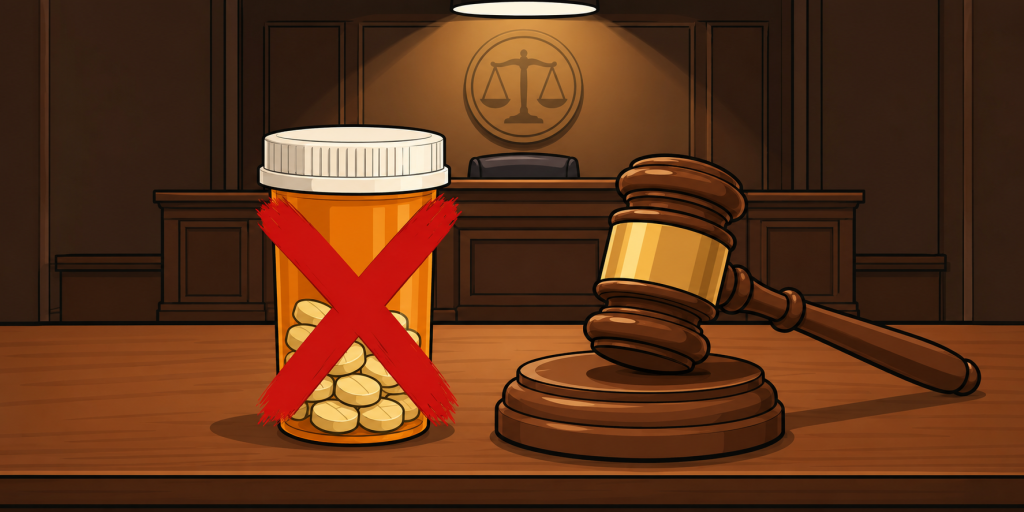
A supervisor joked about selling an employee in the red-light district. When the case reached a federal appeals court, the employer’s defense was almost as bold: don’t blame us for the emotional distress bill, she should have gotten therapy.
TL;DR: A federal appeals court affirmed a jury verdict awarding an employee compensatory and punitive damages for sexual harassment, rejecting the employer’s bid for a new trial and issuing a first-of-its-kind ruling in the circuit that Title VII plaintiffs have no duty to mitigate emotional distress damages.
What the Jury Heard Before Awarding Punitive Damages
A federal appeals court just affirmed a jury verdict for an airline parts clerk who endured months of sexual harassment, then watched her employer’s investigation go nowhere. The court rejected the employer’s request for a new trial and let the full damages award stand.
Her direct supervisor made repeated sexual comments, including one about selling her in the red-light district. She reported it, but her manager warned that discipline would “put a larger target on her back.” The harassment escalated into pornographic images at work and rape jokes, and she eventually asked to go part-time because of the “salacious environment.”
An HR investigator randomly selected which coworkers to interview, never followed up on a report of ongoing “sex talk,” and issued written warnings to a few employees while the main harasser went undisciplined. The employee took an early retirement offer rather than return, and the EEOC sued on her behalf.
A jury found she’d been harassed based on sex and that the employer failed to fix it, awarding compensatory and punitive damages while rejecting a separate retaliation claim. The employer appealed on several grounds and lost across the board.
First, the employer argued the jury should have been told to reduce damages because the employee didn’t seek therapy or medication. Title VII already requires mitigating lost wages by looking for comparable work. This court held, for the first time in the circuit, that mitigation doesn’t extend to emotional distress damages. Nothing in the statute requires it, and no well-established common-law rule fills the gap.
Second, the employer argued the evidence couldn’t support punitive damages. The court disagreed there too. A supervisor who participated in and normalized the harassment despite standard training supported a finding of malice. And the “good faith” defense failed because the investigation skipped basic steps: random witness selection, no follow-up on red flags, no discipline for the person most responsible.
None of these losses happened because the employer lacked a policy. They happened because the investigation meant to enforce it cut corners, turning an HR matter into a punitive damages problem. That’s the part worth fixing before your next complaint arrives.
A Written Policy Doesn’t Buy a Punitive Damages Defense. Only a Real Investigation Does.
The “good faith” defense is evaluated on execution, not paperwork. Interview everyone with relevant knowledge, not a random sample, and discipline proportionally, including whoever is most responsible.
Emotional Distress Damages Come With No Mitigation Defense, at Least Here
Counsel can’t reduce a harassment verdict by pointing to an employee’s therapy or medication choices, at least not in this circuit. Build damages estimates assuming emotional distress claims won’t get an offset, and keep in mind that evidence of treatment usually cuts the other way, supporting a higher damages figure by documenting how serious the harm was.
Punitive Damages Can Attach to One Supervisor, Not Just Systemic Failure
The employer didn’t need a culture-wide failure to face punitive exposure. One supervisor who ignored his training was enough, paired with a weak investigation. Removing a problem supervisor early is cheaper than defending an investigation that later looks incomplete to a jury.
This ruling doesn’t make harassment cheaper to ignore. It makes it more expensive.