Search
 The Employer Handbook Blog

Free Ethics CLE: When Your AI Agent Screws Up, Guess Whose Law License Is on the Line?


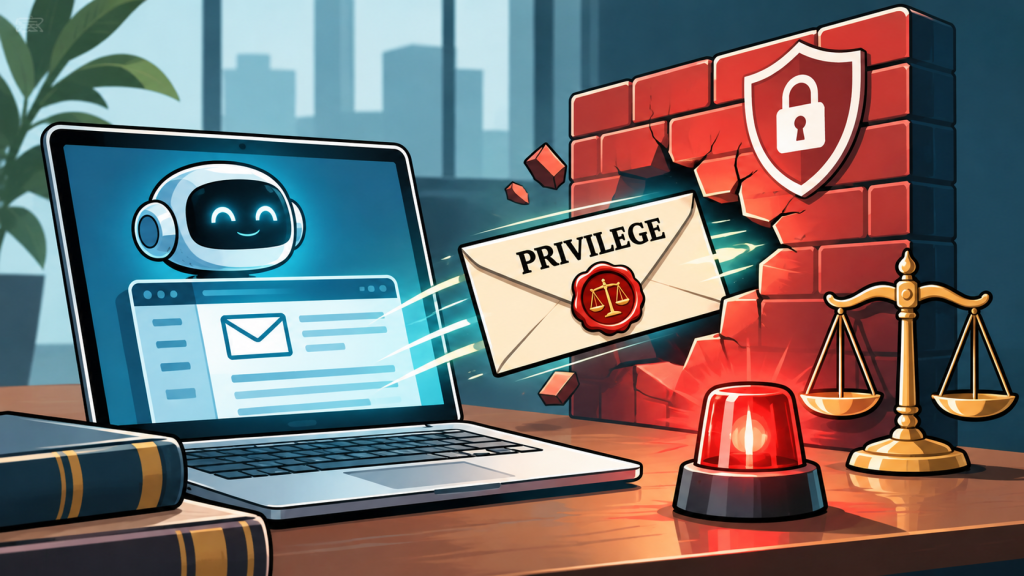
Spoiler alert: The AI doesn’t have one.
AI agents aren’t just answering questions anymore. They’re drafting and filing documents, sending emails, processing refunds, and entering into transactions, sometimes without a human signing off first.
What could possibly go wrong?
On Tuesday, November 17, my Pierson Ferdinand LLP colleagues Maryam Meseha, Co-Chair of the firm’s Privacy and Data Protection practice, and Joseph Schramm, Deputy General Counsel, are presenting a free, live AI ethics CLE that tackles that very question.
And unlike the AI agents they’re discussing, neither will be operating without human supervision.
When the AI Acts, the Lawyer Still Answers
That’s the title of the two-part program, and it gets right to the problem.
Lawyers have ethical obligations involving competence, confidentiality, supervision, and candor to tribunals. Those obligations don’t disappear because an AI agent performed the work.
Maryam and Joe will explore what happens when an AI research agent fabricates citations that end up in a court filing, privileged communications leave the firm through an automated email, or a client’s AI agent enters into transactions nobody intended to authorize.
The consequences can extend well beyond professional responsibility. Think sanctions, privilege disputes, regulatory investigations, and potential civil liability.
Eight Scenarios, Two Perspectives, Practical Takeaways
Rather than spend two hours reciting ethics rules, Maryam and Joe will work through eight escalating scenarios involving a fictional company, Meridian Health Retail, Inc., and its outside counsel.
The first hour focuses on lawyers using AI agents, including how the ABA Model Rules apply when technology researches, drafts, reviews, and takes action with limited human involvement.
The second hour shifts to businesses deploying AI agents. The hypothetical company launches an agent that recommends products, processes refunds, and uses sensitive customer information. What happens when those decisions trigger legal and regulatory scrutiny?
Attendees will participate in audience polls and receive practical guidance on permissions, logging, approval requirements, and human review.
In-house counsel will leave with an AI deployment checklist. Outside counsel will receive an advising and contracting checklist.
Here’s How to Attend for Free
Program: When the AI Acts, the Lawyer Still Answers
Date: Tuesday, November 17, 2026
Time: Noon–2:10 p.m. ET
Format: Live online through myLawCLE
CLE credit: Two credits listed, subject to applicable state approval
Registration: Sign up here
FREE registration code: WhenAIActs26
If you’re a lawyer using AI, advising businesses deploying it, or simply wondering how much autonomy is too much, this one’s worth your time.
Feel free to share the registration code with colleagues and clients.
Tell ’em Eric sent you.