Search
 The Employer Handbook Blog
A New Bill Would Make Menopause Its Own Protected Category. Here’s What It Requires


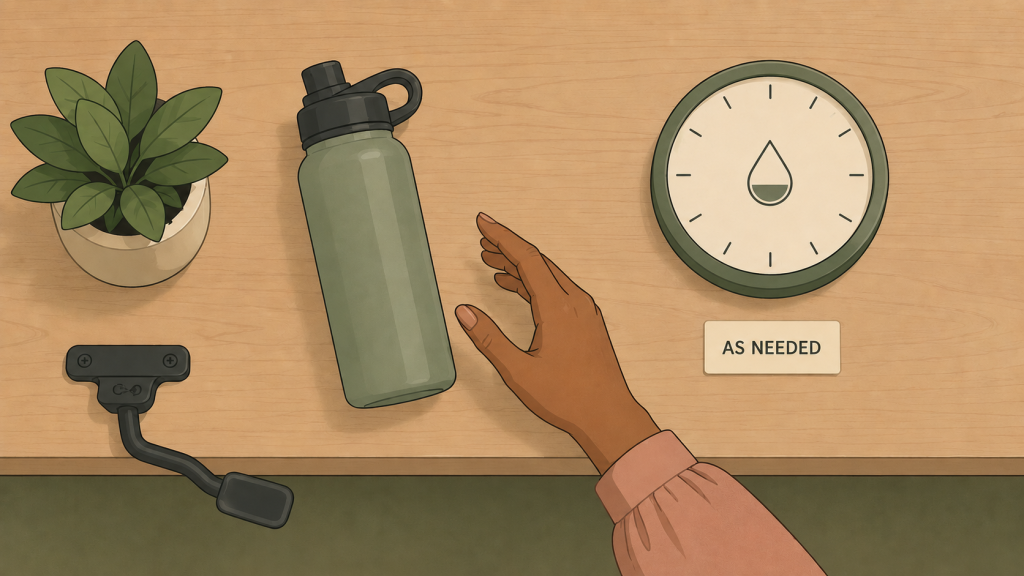
Menopause is about to get its own line in the U.S. Code, if two House members get their way. Water bottles, bathroom breaks, and sit-or-stand accommodations would become presumptively reasonable under a brand-new federal standard.
TL;DR: U.S. Reps. Debbie Dingell (D-Mich.) and Yvette Clarke (D-N.Y.) introduced the Menopausal Workers’ Fairness Act on July 14, 2026, which would create an explicit federal right to reasonable accommodation for menopause-related symptoms, bar forced leave, require confidentiality of related medical information, and direct the EEOC to issue implementing regulations within a year of passage.
A Bill That Names Menopause Instead of Working Around It
On July 14, 2026, Dingell and Clarke introduced the Menopausal Workers’ Fairness Act and referred it to committee. That is the current status: introduced, not enacted, and like most bills, it may never get a floor vote. But the framework is worth understanding now, because it borrows heavily from a law employers already know.
The bill would apply to employers with 15 or more employees and create a standalone right to reasonable accommodation for “known limitations” tied to menopause and the menopause transition, unless the employer can show undue hardship. The enforcement structure runs through the same mechanism Congress used for the Pregnant Workers Fairness Act (PWFA): EEOC charges, Title VII-style remedies, and damages capped under the same statutory limits.
Four Accommodations This Bill Would Make Almost Automatic
The bill singles out four requests it says should require little to no individualized analysis or documentation once an employee raises them: carrying and drinking water as needed, additional restroom breaks, switching between sitting and standing, and breaks to eat or drink. The EEOC could add to that list by regulation.
That is a meaningfully lower bar than the interactive process HR teams run under the Americans with Disabilities Act (ADA), where documentation requests are common and often appropriate. Here, the bill’s default assumption runs the other way.
Confidentiality Rules and a Ban on Forced Leave
Medical information tied to a menopause accommodation request would have to be kept confidential and stored separately from personnel files, with narrow exceptions for supervisors handling necessary restrictions and first aid or safety personnel. The bill also bars employers from forcing an employee to take leave, paid or unpaid, if another reasonable accommodation would work instead, and bars denying job opportunities because an accommodation would be needed.
Employers that show a documented good-faith interactive process, one that actually engaged with the employee and produced an equally effective accommodation, would be shielded from damages even if a court later finds the process fell short procedurally.
Whether or not this specific bill clears committee, the underlying exposure is not new. Menopause symptoms severe enough to affect work already can qualify as a disability under the ADA, and employees are already asking for exactly these accommodations. The useful move for HR right now is auditing your intake process against this bill’s four presumptive categories, not waiting to see if it becomes law.
What This Bill Signals for Your Accommodation Process
The “presumptive accommodations” list is a floor, not a ceiling. If water, restroom breaks, and seating changes are requests your managers can already approve without escalation, you are ahead of where this bill would put you. If those requests currently require a documentation loop, that is the gap to close first, regardless of what happens to this bill.
Confidentiality handling under this bill mirrors what you already do for ADA and FMLA-related medical information. The bill does not introduce a new storage system so much as extend an existing one to a symptom category HR teams have often handled informally rather than through the same documented process.
A documented interactive process is your best defense whether or not this becomes law. The bill’s damages shield rewards employers who can show they actually engaged with the employee’s specific request, not employers who simply granted whatever was asked. That distinction matters if you are relying on this defense later.
This bill has a long road and a low base rate of success, but the accommodation requests it describes are not hypothetical. Bills like the PWFA took multiple sessions of Congress to pass. Treat this one as an early signal of where accommodation law is heading, not as a compliance deadline.
The Real Question Isn’t Whether This Passes
Most bills referred to committee stay there. But HR inboxes do not wait for Congress, and the employees asking for water bottles and extra breaks right now are not going to check the vote count before they ask again.