Search
 The Employer Handbook Blog
One and Done: Why the EEOC Couldn’t Prove “Ongoing” Harassment


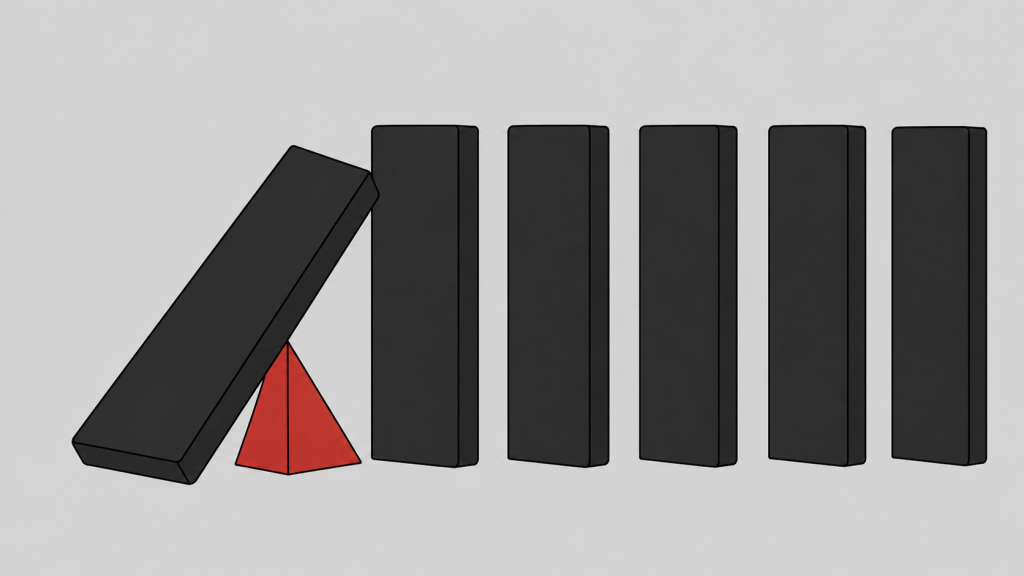
One racial slur wasn’t enough to put a company on notice. A federal appeals court explained why and upheld the jury’s verdict for the employer.
TL;DR: A federal appeals court affirmed a jury verdict for an employer in a race-based hostile work environment case, holding that one earlier incident involving a coworker’s racial slur didn’t establish “ongoing” harassment, and that two separate disciplinary responses, both short of termination, were reasonably designed to end the behavior.
📄 Read the court’s opinion here
A Punched Locker, a Slur, and a Verdict for the Employer
The employee and his coworker started as mentor and mentee at a manufacturing plant, but the relationship soured. The coworker believed the employee accused him of lying about his son’s death to get time off; the employee believed the coworker was prejudiced, citing an earlier incident when the coworker used a racial slur against the plant’s only other Black employee.
A federal appeals court affirmed the jury verdict for the employer. Jurors had been instructed that the EEOC needed to prove the company knew about harassing conduct and failed to act on it, and they found for the employer. On appeal, the EEOC argued the instructions should also have covered a broader failure-to-prevent theory, but the court found the evidence wouldn’t have supported it regardless.
The breaking point came when the coworker stormed in to confront the employee about his work ethic again, followed him to his locker, punched it hard enough to dent it, and screamed a racial slur at him three times as he walked away. The employee reported it that morning; the company suspended the coworker five days without pay, and the employee got a written warning for his own profanity. He filed an EEOC charge, and the EEOC sued, arguing the company went too easy on the coworker.
Why One Slur Doesn’t Add Up to “Ongoing” Harassment
To win on the failure-to-prevent theory, the EEOC had to show the company knew about ongoing harassment and failed to take action reasonably designed to stop it. The company knew of, at most, one earlier incident involving a different employee, and one incident doesn’t establish a pattern. Nobody reported the coworker’s alleged use of the slur elsewhere, so the company had no notice of that either.
Even treating that first incident as notice, the company hadn’t sat on it: it warned the coworker in writing to think about what he says and its consequences, language aimed at stopping the conduct, not just registering disapproval. The court itself said the response could have been stronger, but found it reasonably designed to end the behavior anyway, given the coworker’s more than three decades on the job without any earlier harassment history.
The suspension after the confrontation with this employee was never separately analyzed. The jury already found for the employer under the same corrective-action instructions, though a general verdict doesn’t say which element it rested on. That’s consistent with the suspension being treated as adequate, but it isn’t a holding the way the written-warning analysis was.
The Documentation Habits This Verdict Rewards
A single incident doesn’t create notice, but it still belongs in the file
One incident doesn’t put an employer on notice of “ongoing” harassment, but it still belongs in the file: a written record of what happened protected this company when a second, unrelated incident followed.
What makes discipline legally adequate is whether it’s designed to end the behavior, not how severe it is
The written warning here was less severe than firing the coworker, and the court said outright it could have been stronger. It held up because it was aimed at ending the conduct, backed by the coworker’s clean history. The suspension likely served the same function, though the court never separately confirmed it.
Unreported incidents can’t be held against an employer, making an accessible reporting process a real defense
The EEOC argued the coworker used the slur in other conversations, but the court found no evidence anyone reported it. An open channel lets an employer show it didn’t know about conduct nobody flagged.
Whether a pattern existed was the legal question in this case. Reporting procedures, training, and taking harassment seriously are what keep that question answerable in the employer’s favor.