Search
 The Employer Handbook Blog
How to Know Which Employment Laws Actually Apply to You


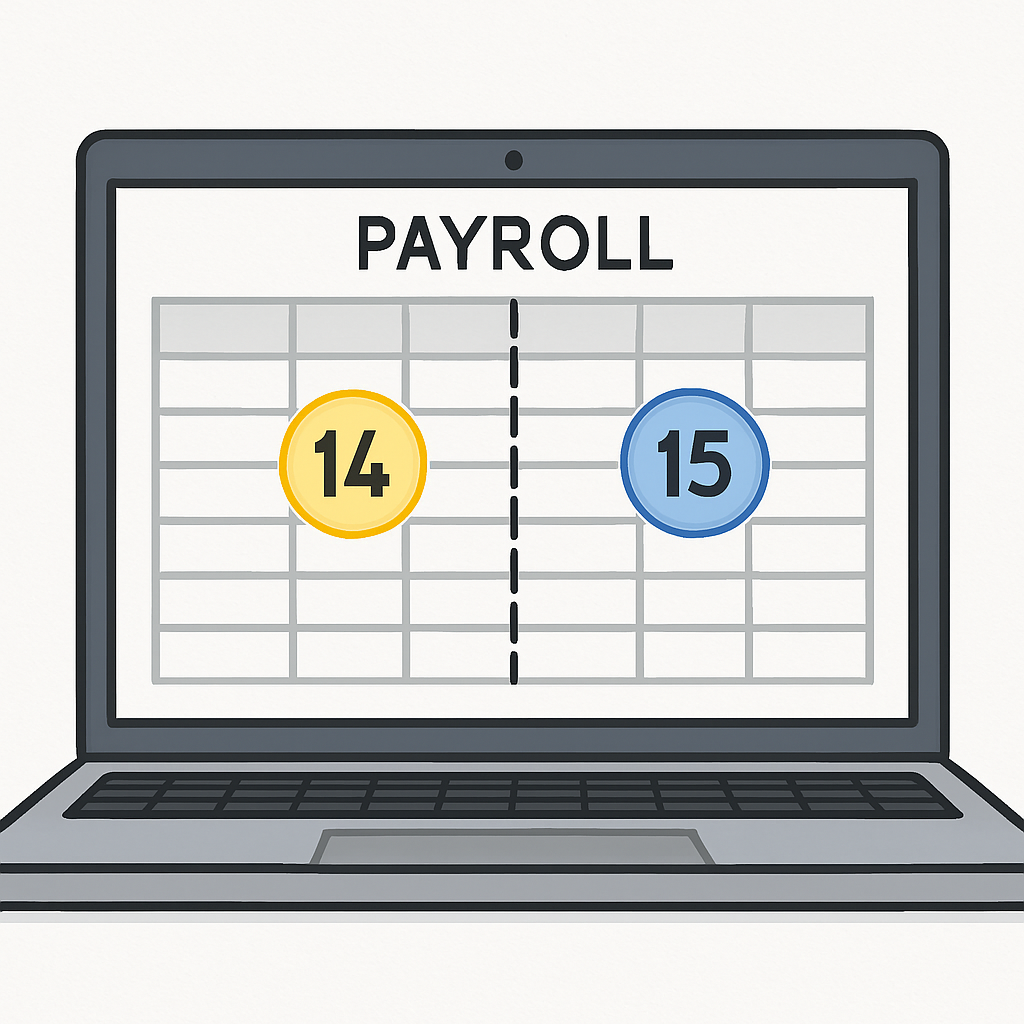
How can you tell if your business is big enough to trigger federal or state employment laws? A recent Ninth Circuit case illustrates just how complicated that question can get. Two columns in a payroll spreadsheet generated two different employee counts, creating a triable issue about legal coverage.
TL;DR: A Ninth Circuit panel revived an Americans with Disabilities Act (ADA) lawsuit because conflicting payroll columns created a genuine factual dispute about whether the employer met the statute’s 15-employee threshold. That uncertainty alone required a jury to sort it out, and the lesson applies broadly to employee counting under many federal and state employment laws.
A case about the ADA that really teaches a broader lesson
The plaintiff challenged whether her employer was large enough to fall under the ADA. The employer argued it never hit the 15 employee threshold for 20 weeks. Under the ADA, and other federal anti discrimination laws like Title VII, an employer is covered if it has at least 15 employees for at least 20 different workweeks in either the current or the previous calendar year. The rule is designed to exclude very small employers, but it also means that coverage can turn on payroll timing, classification decisions, and who counts as an employee in any given week.
The plaintiff said the records told a different story.
The Ninth Circuit agreed that the records were unclear. The culprit was a payroll exhibit with two different employee tallies:
A payroll exhibit included two columns:
- one listing the number of employees at week start, and
- one listing the number of employees at pay date.
Depending on which column you use, the employer either met or did not meet the threshold. That inconsistency did not answer the legal question. It created a triable issue of fact that only a jury can resolve.
And while this case involved the ADA, the problem is universal. Many employment laws hinge on how employers count employees. Mistakes, inconsistencies, and wrong assumptions about who counts can send employers into litigation before ever reaching the merits.
For example, the decision also turned on which individuals counted as employees under a Supreme Court common law agency test. The two principals could be treated as employees for headcount purposes. Another individual who appeared only once, years later, could not be counted at all.
If this sounds familiar, it should. I previously created a numerosity guide listing coverage thresholds for various employment laws. This case is an example of how determining those thresholds can become a factual dispute.
What employers and HR must understand about counting employees
1. Federal employment laws use different headcount rules
Title VII and the ADA start at 15 employees. The ADEA starts at 20. The FMLA starts at 50 within 75 miles. GINA is 15. USERRA covers almost everyone. Courts often use the payroll method to determine whether someone appears on payroll during the relevant weeks. Small changes in weekly headcount can change coverage.
2. Part time, seasonal, and unexpected individuals may count
Part time and seasonal employees generally count if they appear on payroll during the relevant weeks. Owners, partners, or principals may also count if the organization exercises enough control over their work. These inclusions can push an employer over the threshold.
3. State and local laws may apply with far fewer employees
Federal coverage starts at 15, 20, or 50. State and local laws often start at 1, 2, 4, or 5. Many employers who are too small for federal laws are still covered under state anti discrimination statutes.
4. Payroll inconsistencies can create legal exposure
If different payroll columns tell different stories, courts cannot resolve coverage on summary judgment. A single inconsistency can force litigation over whether the law applies.
5. If you hover near any statutory threshold, assume coverage
If your headcount regularly fluctuates near 15, 20, or 50, it is safer to build compliance than to litigate whether compliance was required in the first place.
The bottom line
Good compliance practices do not start or stop at 15, 20, or 50 employees. Headcount simply tells you which additional rules apply.