Search
 The Employer Handbook Blog
Congress Revives Proposal to Eliminate Credit Checks in Hiring


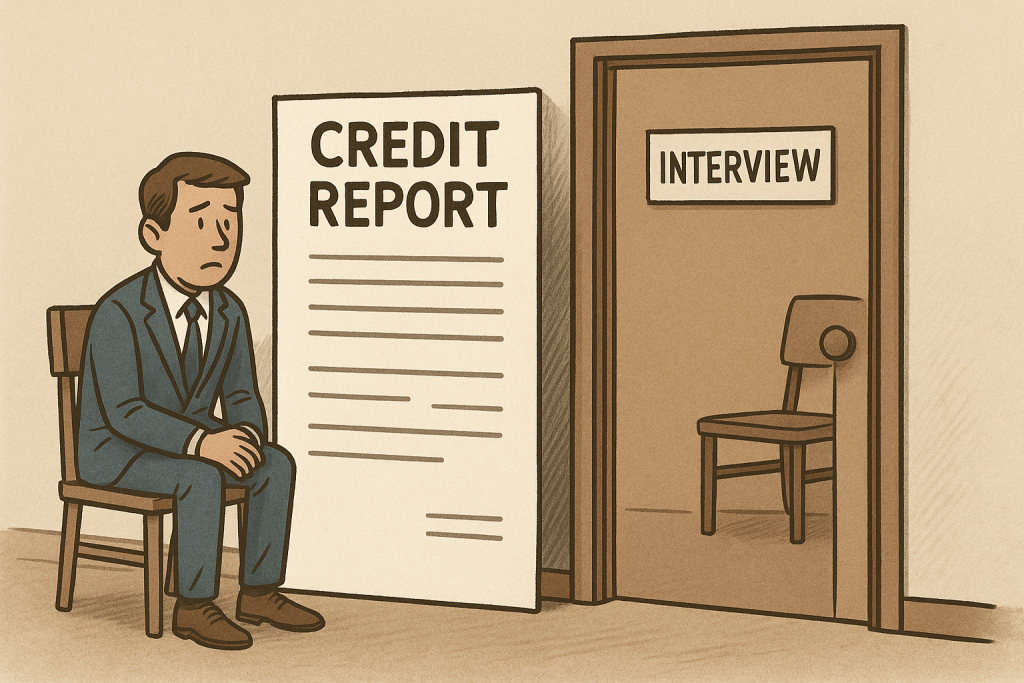
Employers who use credit reports in hiring may soon hear renewed calls to stop, but likely not because of new federal law.
TL;DR: The Equal Employment for All Act of 2025, sponsored by Senator Elizabeth Warren and other Democrats, would amend the Fair Credit Reporting Act to bar most employers from using credit reports in employment decisions. Exceptions would apply only where credit checks are legally required or where jobs demand a national security clearance. With a Republican-controlled Congress, the bill’s odds of becoming law are slim. Press release | One-pager | Bill text
Why Democrats Want This Change
Sponsors argue that credit history says little about job performance. Instead, it often reflects medical debt, unemployment, or foreclosure, factors outside a worker’s control. Credit reports are also error-prone, and poor credit disproportionately impacts women and minorities.
What the Bill Covers
If it ever became law, the bill would:
- Ban employment use of credit reports. Employers could not request, obtain, or rely on credit reports to evaluate candidates or employees.
- Prohibit agencies from supplying data. Even with an applicant’s “consent,” consumer reporting agencies would be barred from providing credit histories for employment purposes.
- Permit only narrow exceptions. Credit checks would be allowed only when required by law or for jobs tied to national security clearance.
Important Distinction: Credit vs. Criminal Background Checks
This bill is focused exclusively on credit history. It does not affect criminal background checks, which remain permissible under federal law (subject to Title VII restrictions and various state laws). Employers should avoid conflating the two. The policy debate here is about financial credit, not criminal history.
Why Employers Should Pay Attention Anyway
Even if the bill does not advance, employers should note:
- State and local restrictions already exist. More than ten states and several major cities limit employer use of credit checks in hiring, and compliance obligations vary by jurisdiction.
- FCRA compliance remains critical. Employers that do use credit checks must follow strict Fair Credit Reporting Act procedures, including disclosures and pre-adverse action notices, or face costly class actions.
- Practical considerations. Even where credit checks are legal, employers should assess whether the information is genuinely job-related and defensible, given the potential for error and the lack of evidence linking credit history to job performance.
The Bottom Line for Employers
The Equal Employment for All Act is unlikely to become law in the current Congress, but it reflects growing political and public scrutiny of credit checks in employment. Employers should review whether credit checks are truly necessary, separate them from criminal background screening, and monitor evolving state and local restrictions.