Search
 The Employer Handbook Blog
Warning letters are the FTC’s latest prescription for noncompete abuse in healthcare


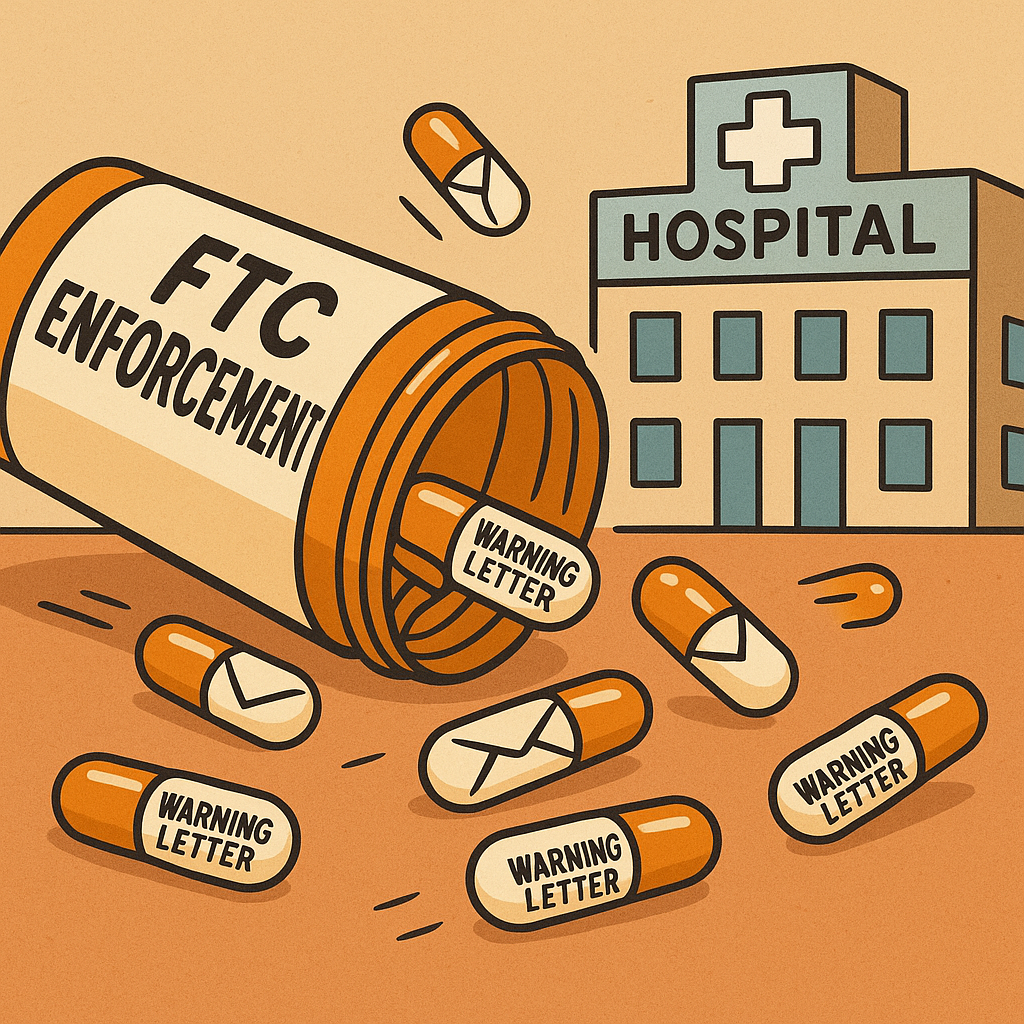
The FTC just made clear that while the nationwide noncompete ban is dead, the agency is not backing down. Employers, particularly in healthcare, are officially on notice.
TL;DR: The FTC, led by Chairman Andrew Ferguson, is shifting to case-by-case enforcement. The agency has begun sending warning letters to healthcare employers and staffing firms, signaling that overbroad or unnecessary noncompete agreements may violate Section 5 of the FTC Act.
Warning letters hit healthcare first
According to the warning letter template, the FTC is targeting “unfair and anticompetitive conduct in labor markets and the healthcare sector.” Noncompetes imposed on roles like nurses, physicians, and other medical staff may unfairly limit professionals’ mobility and, critically, limit patient access to care, particularly in rural communities.
While the FTC acknowledges that some noncompetes “can serve valid purposes,” the agency makes clear that many are used without proper justification or in lieu of less restrictive alternatives.
A new enforcement playbook
The FTC emphasizes that despite the vacatur of the nationwide noncompete ban, the agency’s enforcement remains alive and well. It urges employers to review all restrictive covenants for tailoring and compliance with the law.
The template encourages employers to discontinue and notify employees if a noncompete is deemed unfair or anticompetitive. Importantly, receiving a warning letter does not imply wrongdoing. It is a heads-up that scrutiny may be coming.
What employers should do now:
Healthcare may be the current focus, but all sectors should take heed. Employers should:
- Audit agreements now. Are restrictions necessary and justified for each role?
- Narrow the scope. Ensure duration and geography can be reasonably defended.
- Use alternatives. Confidentiality clauses may suffice, and carefully tailored non-solicitation clauses can protect interests without the same risks.
- Check state law. Many states have noncompete restrictions, and multistate employers should ensure agreements comply across jurisdictions.
- Discontinue overbroad noncompetes. Remove any restrictive covenant that could be seen as unfair or anticompetitive, and notify affected staff.
- Plan for scrutiny. A warning letter does not denote wrongdoing, but it could be a precursor to investigations or enforcement actions.
Bottom line
The blanket noncompete ban may be gone, but enforcement has not been. With warning letters already issued, particularly to healthcare employers, the FTC has made it clear that noncompetes that cannot be justified are now a liability, not a safeguard. It is time to act.